


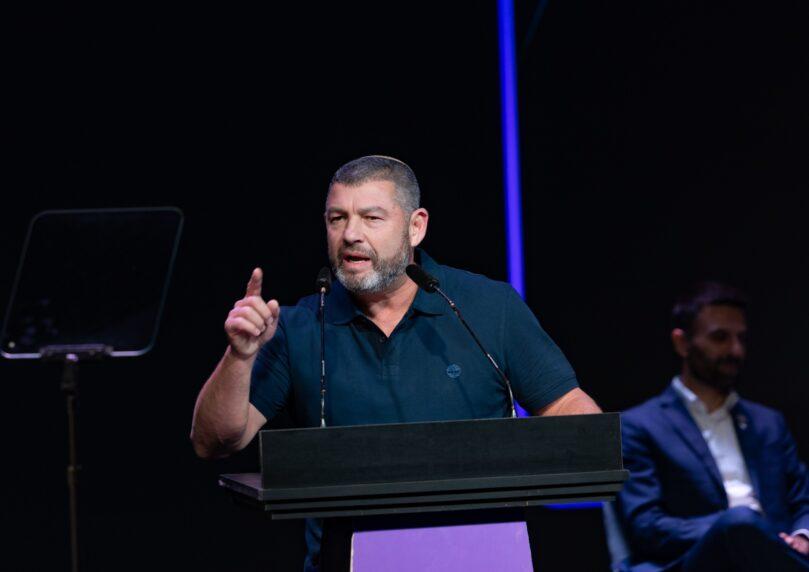

As Israel’s right-wing bloc scrambles ahead of the Central Elections Committee’s slate deadline on Tuesday to manage the fallout of Ofer Winter’s political entry—a move that has upended established dynamics—the opposition bloc is also working to digest the consequences. Following the publication of internal and media polling, an opposition official conceded: “Upon his entry, Winter shaved roughly one and a half seats from our bloc—an event that could prove far more consequential than currently estimated.”

 2+
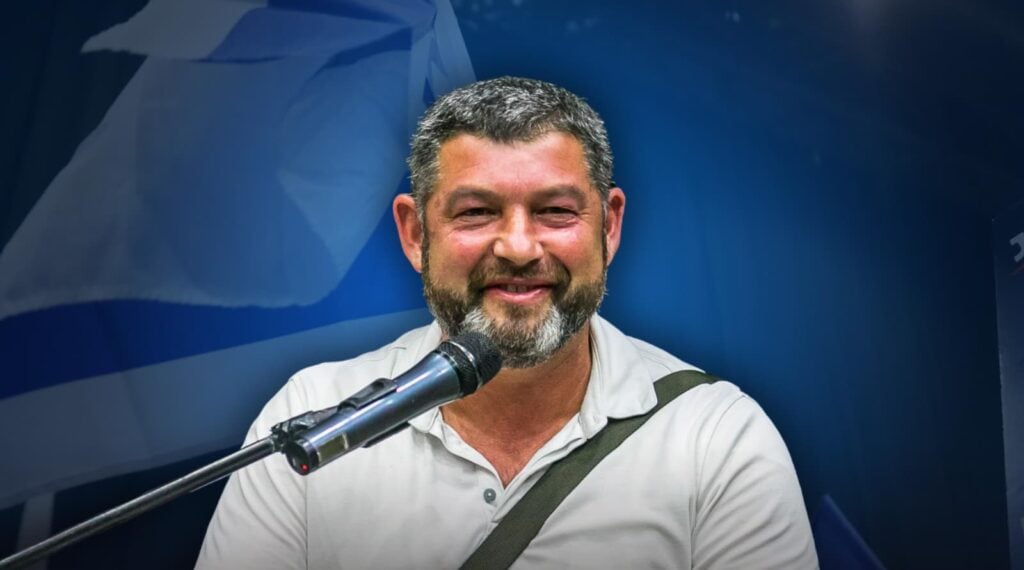
2+According to the source, polling assessments indicate Winter is drawing right-leaning voters previously leaning toward Eisenkot, Bennett, Gantz, Erdan, and Yoaz Hendel. While the prevailing assessment across both camps is that Winter is currently siphoning support primarily from right-wing factions—triggering intense maneuvering among Prime Minister Netanyahu, Otzma Yehudit leader Itamar Ben Gvir, Religious Zionism leader Bezalel Smotrich, and Zehut chairman Moshe Feiglin—the opposition’s deeper fear is structural. If the right-wing camp successfully consolidates before slates close, internal vote shifting within the right will stabilize, while the opposition faces a net loss of crossover votes.
While some analysts argue that 1.5 seats represents Winter’s maximum potential for drawing support across bloc lines, Winter’s campaign insists this is merely the opening phase. “The first wave to back Winter were right-wing voters loyal to the right-wing bloc, but once voters recognize this is a stable party crossing the electoral threshold and set to become a central player in the next Knesset, significant momentum will begin drawing from the opposition camp as well,” his campaign stated.
 2+
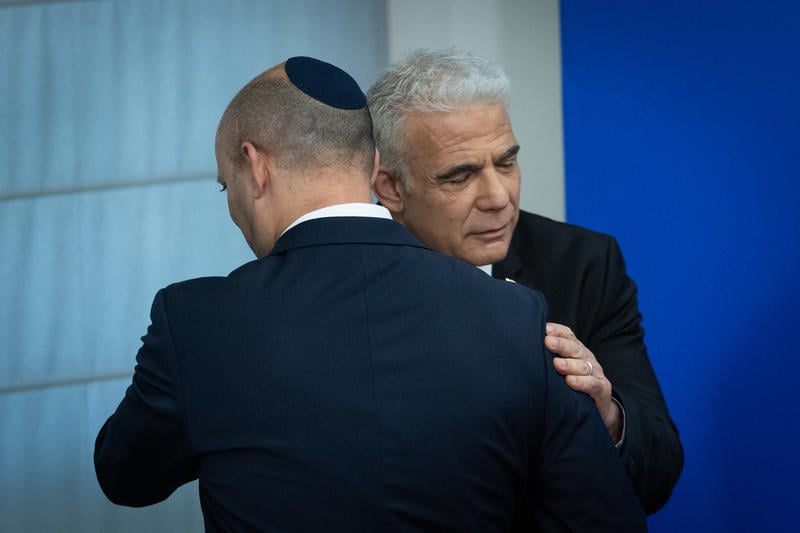
2+According to an opposition source, the primary concern surrounding Winter lies in the distinct message he projects to right-leaning voters currently leaning toward opposition parties: while Winter explicitly committed to recommending only Netanyahu for Prime Minister, his candidacy signals that he will not give Netanyahu an easy ride—neither on the military draft law nor on core policy matters. Unlike Smotrich and Ben Gvir, whose coalition alignment led them to fully back the draft legislation out of commitment to Netanyahu, Winter projects independence and principled steadfastness rather than deference to coalition demands—a posture that appeals directly to right-leaning voters searching for a political home.
 2+
2+On the negotiation front among right-wing parties, the only tangible progress is currently between the Religious Zionism party and the Zehut party. While both sides favor a joint run, the main hurdle remains the electoral projection: even if an alliance keeps the joint slate above the threshold, internal estimates suggest it would capture only a modest 4 to 5 seats.
This dynamic is further complicated because Religious Zionism has already conducted its internal primaries, meaning an alliance would push several elected candidates out of realistic spots. Furthermore, even if Smotrich foregoes his personal leader appointments, he has already reserved a spot for Zvika Mor, which he intends to keep in a realistic slot—directly displacing sitting MKs. Meanwhile, figures in Religious Zionism and Likud continue to hold out hope that despite Itamar Ben Gvir’s public refusal, mounting pressure in the remaining days could still make a broader right-wing union viable before the candidate lists officially close.