


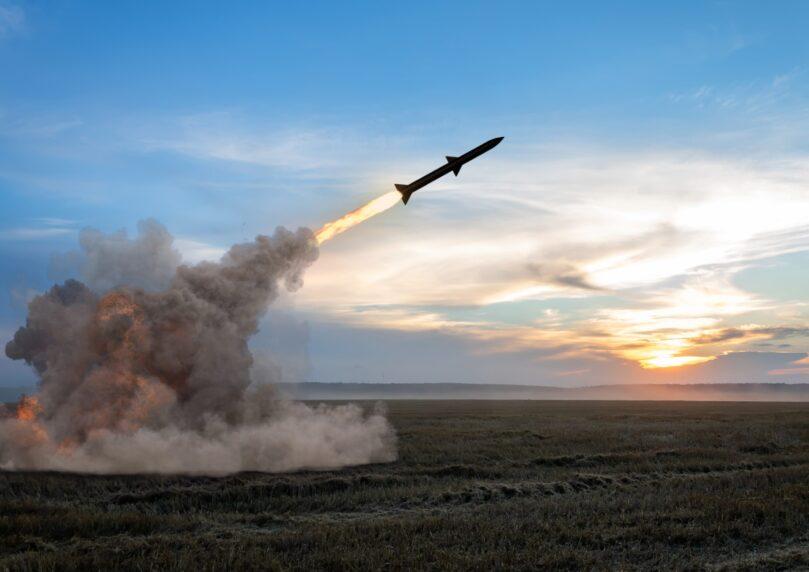

Iranian missile and drone strikes caused unprecedented damage to U.S. intelligence facilities and surveillance equipment in the Middle East, NBC reported Wednesday, citing four people with knowledge of the matter. The attacks hit buildings, advanced intelligence collection systems, and assets used jointly by the U.S. military and intelligence agencies including the CIA. The scope of the damage is described as greater than any destruction American intelligence agencies have ever sustained, with repair and replacement costs expected to reach billions of dollars.


 4+
4+The damage from the strikes goes beyond hits to bases or military buildings. According to the four sources, targets included facilities used by the American intelligence apparatus in the Middle East and advanced equipment designed for surveillance and information collection. Some of the damaged assets are used jointly by U.S. armed forces and the American intelligence community, including the CIA. The sources described the damage as “more extensive than any destruction U.S. intelligence agencies have ever suffered.” That means the repair work won’t just involve fixing walls and buildings. The U.S. will also need to replace or restore advanced intelligence and surveillance systems, significantly raising the total cost.
 4+
4+The full extent of the damage remains unknown to the public. The Pentagon has avoided releasing a detailed damage assessment, explaining that disclosing the information could harm operational security. But it’s already clear, according to the report, that the bill will be heavy. Congress is expected to need to find emergency funding to repair the facilities and replace damaged equipment. An assessment by the American Enterprise Institute points to the scale: according to the estimate, repairing infrastructure alone could cost more than $5 billion. That figure doesn’t include the full costs of damaged equipment and weapons systems, so the total cost could be higher.
 4+
4+The strike raises a broader question in Washington: are sensitive American facilities in the Middle East protected enough against Iranian attacks? According to the report, U.S. officials are already reconsidering how intelligence personnel, equipment, and sensitive resources are deployed across the region. The reason isn’t just the damage already done. The attacks exposed the vulnerability of American facilities to a combination of missiles and drones, raising concerns that expensive and important intelligence collection systems could be hit in future waves of strikes. A shift in deployment could therefore include decisions about where intelligence systems and personnel will be stationed—aimed at reducing the risk that a concentration of sensitive assets becomes a target for Iran.
 4+
4+The damage to the intelligence apparatus comes as part of a much broader Iranian campaign against the American presence in the Middle East. Since the outbreak of war between the U.S. and Israel against Iran in February 2026, Iran has reportedly attacked more than 100 targets at at least 11 American bases spread across seven countries in the region. The strikes reached Qatar, the United Arab Emirates, Bahrain, Jordan, Kuwait, Iraq, and Saudi Arabia—countries where the U.S. maintains forces, facilities, or significant military assets. The scope of the attacks illustrates the challenge facing the Americans: instead of defending a single base or a limited area, they must protect a large network of facilities spread across many countries.
 4+
4+An intelligence facility isn’t just a building where personnel are located. Such facilities can include advanced technological systems used for collecting and processing information and monitoring activity in the region. So damage to them can be more significant than physical damage to the building itself. Alongside repair costs, there’s a need to replace advanced equipment and examine how to continue intelligence collection operations while damaged systems are unavailable. The report doesn’t detail which specific intelligence capabilities were hit or at which facilities the most severe damage occurred—information the Pentagon isn’t releasing for operational security reasons.