



A clash at the top of America’s defense establishment could end with the resignation of one of its senior officials: Army Secretary Dan Driskoll has told associates he wants to leave his post around Labor Day in early September, NBC News reported Wednesday. According to the report, based on three current U.S. officials and one former official, the move stems from strained relations between him and Defense Secretary Pete Hegseth. Trump administration officials are now trying to convince Driskoll to delay his departure and remain in the position at least through the end of the year.

 3+
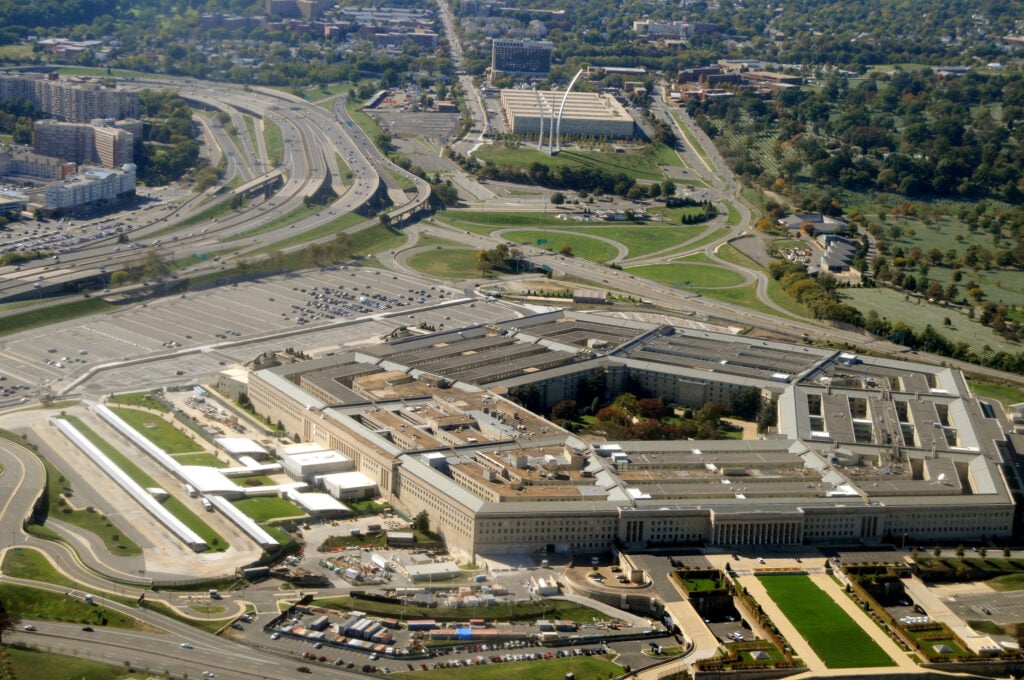
3+Despite the title “Army Secretary,” Driskoll is not an officer commanding troops on the battlefield. This is a senior civilian position in the Defense Department: he heads the civilian system that manages the U.S. Army’s ground forces and is responsible for policy, budgets, personnel, and military readiness, among other things. Above him is Defense Secretary Pete Hegseth, who runs the entire Defense Department and oversees all branches of the armed forces. So when a prolonged confrontation develops between the two, it’s a dispute within the highest ranks managing America’s defense establishment.
 3+
3+According to the report, Driskoll told people close to him that he wants to end his tenure around Labor Day, which falls in early September. However, it’s important to note that Driskoll has not yet officially announced his resignation, and no final notice of a departure date has been received. Within the Trump administration, officials are reportedly trying to prevent him from leaving at this stage. Administration sources want him to continue in the role at least through the end of the year.
At the center of the story are the strained relations between Driskoll and Hegseth. According to reports, the defense secretary fired people who were close to Driskoll and even reversed some of the decisions the Army secretary made. These moves effectively limited Driskoll’s ability to advance some of the initiatives he wanted to pursue and intensified tensions between the two. One prominent incident occurred in April, when Hegseth fired Army Chief of Staff General Randy George, who was close to Driskoll. According to information provided, the firing was done without public explanation.
 3+
3+Driskoll didn’t hide his feelings following George’s ouster. He recounted that while the general was being asked to submit his resignation papers, he himself was on a family vacation in North Carolina. “I was in North Carolina with my family on the kids’ spring break when General George was asked to submit his resignation papers. When we drove back from North Carolina, I drove straight to General George’s house, we went inside and we all hugged him,” Driskoll said. He went on to say he was “personally” sorry about George’s firing.
The incident illustrated that the dispute isn’t just a matter of personal relations between two senior officials. Hegseth made a significant decision affecting the Army’s top leadership, even though the Army secretary himself was close to the person being ousted and didn’t support the move.
 3+
3+The new report is particularly striking because just a few months ago, Driskoll publicly denied he intended to resign. After reports surfaced in April about the tensions and his future in the position, he stated: “Serving under President Trump has been the honor of my life, and I remain completely focused on providing America with the strongest ground combat force in the world. I have no plans to leave or resign from the position of Army Secretary.” Another detail that takes on significance against the backdrop of the report is the fact that Driskoll and his family left the Army secretary’s official residence during the summer. This doesn’t prove he’s decided to resign, and it’s not correct to conclude from the move alone that his departure has been set. Still, the detail now joins the report that he’s considering ending his tenure.
If Driskoll leaves following the disputes with Hegseth, the significance won’t just be the replacement of a senior official. A departure under such circumstances would highlight tensions within the Trump administration’s Defense Department leadership and raise questions about the relationship between the defense secretary and the senior civilian managing the ground forces.