


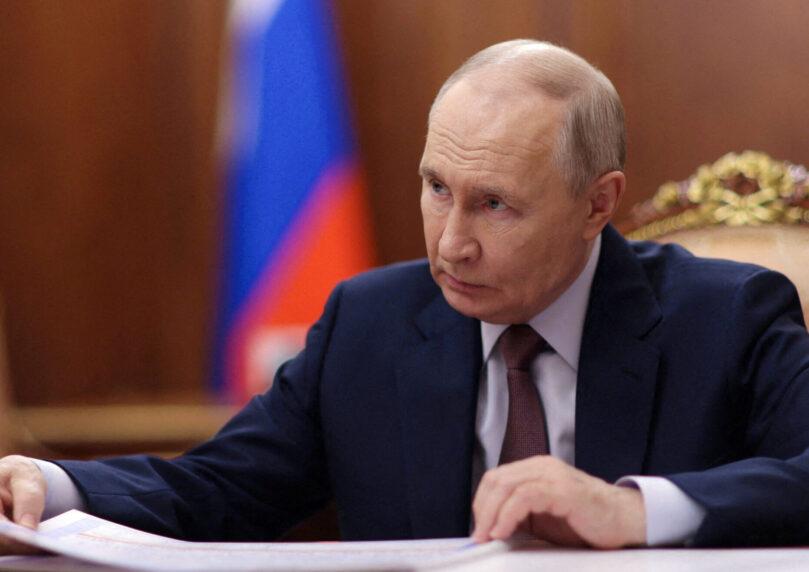

Europe is raising its alert level in response to what the West describes as Russia’s expanding war beyond Ukraine’s borders—through intelligence operations, cyberattacks, sabotage, and direct threats against NATO countries. In Germany, Interior Minister Alexander Dobrindt warned that his country has become a daily target of hybrid warfare from “foreign powers,” while in Britain, fears are growing of Russian action in response to deepening military aid to Kyiv.

 3+
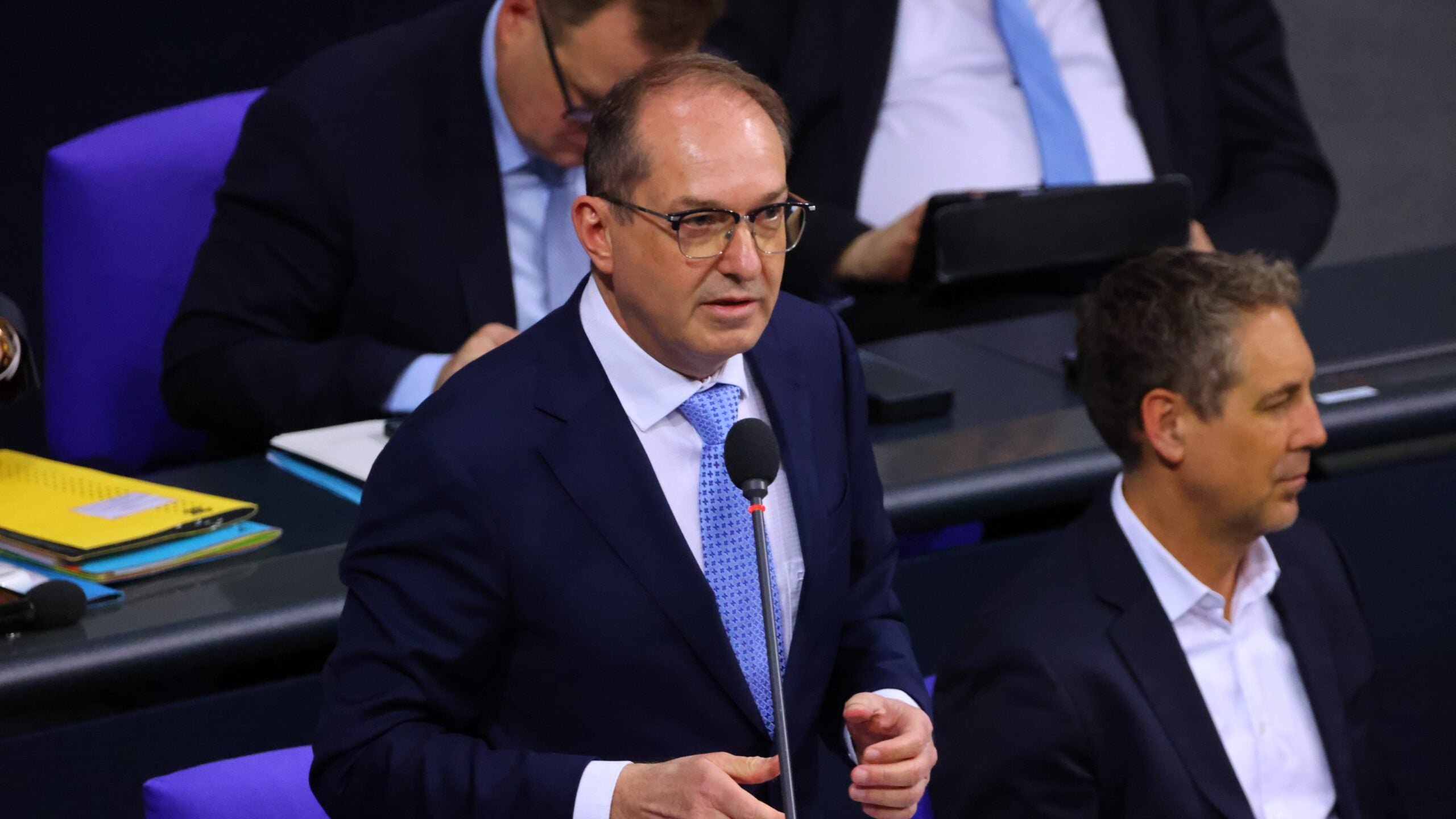
3+Dobrindt said Germany is “not at war,” but faces daily attempts at espionage, sabotage, cyberattacks, and covert operations aimed at destabilizing the country. Berlin didn’t officially point to any specific nation, but the remarks came after a series of unusual incidents, including suspected foreign involvement in drone events and sabotage at sensitive facilities.
Meanwhile, CIA Director John Ratcliffe’s unusual trip to Moscow sparked a wave of speculation in the West. According to a Wall Street Journal report, Ratcliffe made a brief, secret visit to Russia—the first of its kind since Russia expanded its invasion of Ukraine in 2022. Beth Sanner, a former senior U.S. intelligence official, estimated the trip may have been intended to deliver a direct message to the Kremlin: Washington knows about possible Russian intentions and won’t allow attacks on NATO countries.
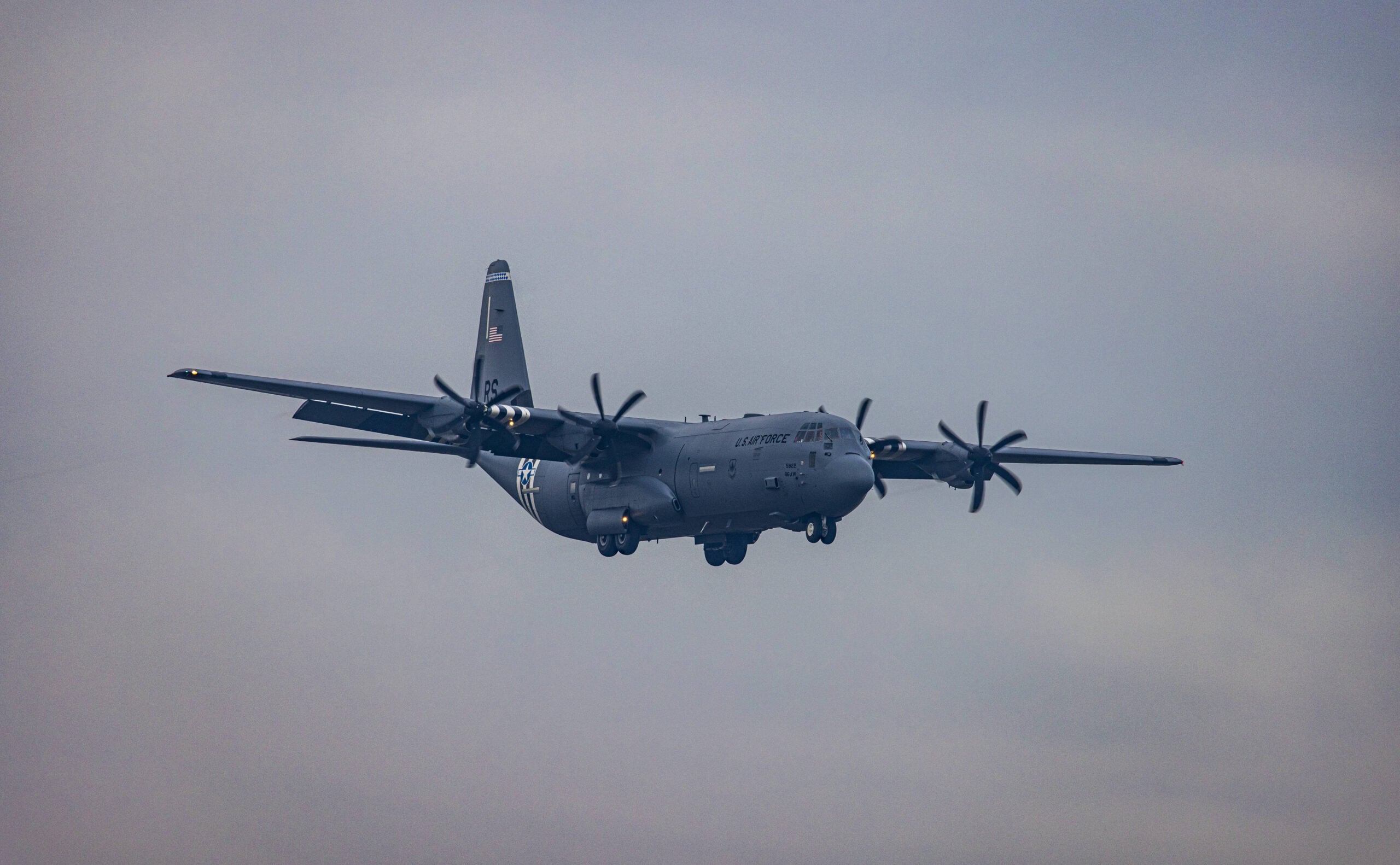
According to U.S. reports, a C-17 military transport plane took off from Joint Base Andrews near Washington, stopped in Latvia, and landed in Moscow. The Pentagon, White House, and CIA initially declined to comment on the identity of the senior official aboard, fueling questions about the trip’s purpose.
 3+
3+The visit also came amid a new American move against Iran, designed to sever the Tehran regime’s ties with countries like Russia and China. Ratcliffe is considered one of President Donald Trump’s closest advisers and has been involved in issues related to the war against Iran. Because of this, Western officials estimate the Moscow meeting may also have addressed an attempt to enlist Russia in a diplomatic move or warn it against further rapprochement with Tehran.
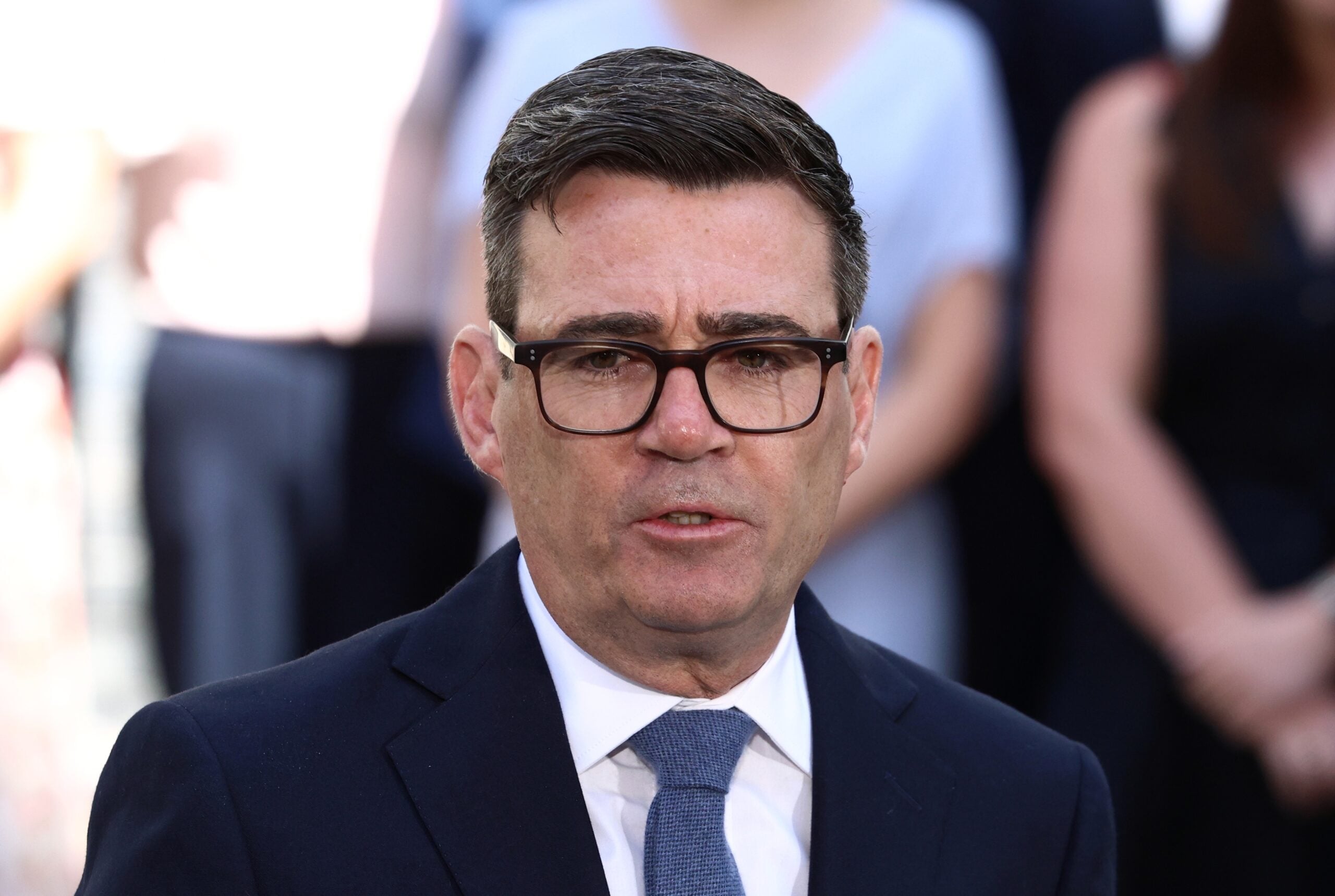
In Britain, Prime Minister Andy Burnham was warned that Russia could respond directly to the deepening cooperation between London and Kyiv. Burnham visited Ukraine and announced that Britain would continue aiding Kyiv, including in missiles, drones, and artificial intelligence on the battlefield. In response, Moscow accused London of escalating the war and warned there would be consequences.
 3+
3+Senior British security officials estimate a Russian response won’t necessarily look like an open military attack. According to reports in the British press, the concern is sabotage operations, arson, drone strikes, or cyberattacks against security facilities and the military industry. A security source was quoted saying Russia regularly examines British security infrastructure but is careful to stay below the threshold that could trigger a NATO military response.
While the West warns of Russian escalation, Ukraine continues to increase pressure inside Russian territory. Overnight, Ukrainian drones struck a major logistics center of Russian retail giant Wildberries in Tambov Oblast. The regional governor reported a fire broke out at the facility, estimated at around 100,000 square meters, and at least two people were injured.
Склад Wildberries в Котовске полностью сгорел после атаки ВСУ. Два человека пострадали
Губернатор Тамбовской области Евгений Первышов сообщил, что после ночной атаки украинских беспилотников пожар полностью уничтожил логистический центр Wildberries.
«Пострадали два человека —… pic.twitter.com/vdSPcrdfPq
— Дождь (@tvrain) August 26, 2026
❗️The Wildberries logistics warehouse in Kotovsk, 🇷🇺Tambov Oblast, has been completely destroyed by fire, the local governor stated. pic.twitter.com/pXZOpnz1SO
— 🪖MilitaryNewsUA🇺🇦 (@front_ukrainian) August 26, 2026
The strike joins a series of Ukrainian hits on logistics and economic infrastructure inside Russia, part of Kyiv’s effort to expand the war’s cost for Moscow. In recent days, strikes were also reported against facilities of Ozon, one of Wildberries’ major competitors, and additional hits on energy infrastructure and refineries.
Meanwhile, Ukrainian President Volodymyr Zelenskyy awarded Elon Musk the Order of Liberty, one of the country’s highest civilian honors, for Starlink’s contribution to Ukraine’s war effort and Ukraine-U.S. relations. The decision comes as Kyiv seeks to expand use of the satellite system in drones operating deep inside Russia—a move Musk has previously resisted over escalation concerns.
 3+
3+Starlink has become one of Ukraine’s central battlefield tools, enabling communication between combat units and command posts even under severe jamming conditions. Kyiv hopes broader use of the system will allow strikes on Russian missile launchers before they’re used to attack Ukrainian cities.
So while the war in Ukraine continues at a high tempo, the West’s concern is growing that Russia is working to expand the conflict zone indirectly—not necessarily with tanks and planes, but through drones, cyber, sabotage, and threats against the countries leading support for Kyiv.