


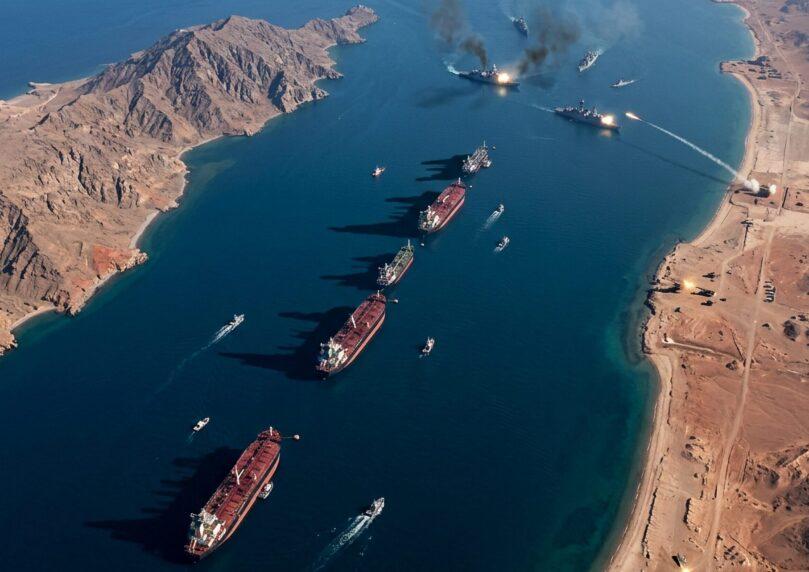

Global crude oil prices dropped sharply by more than $2 per barrel on Wednesday, touching a two-week low following reports of significant diplomatic movement in Omani-mediated negotiations over reopening maritime transit through the Strait of Hormuz. Despite the market optimism, the broader geopolitical standoff over the world’s most vital energy chokepoint remains entrenched, with the United States applying intense economic pressure and rejecting Iranian demands for shared waterway control.

 2+
2+Brent crude futures tumbled 2.54% to trade at $86.33 per barrel, while West Texas Intermediate (WTI) fell 2.68% to approximately $80.15 per barrel. The price slide reflects market expectations for a potential easing of maritime blockades across a waterway that historically carried roughly 20% of global petroleum and liquefied natural gas (LNG) supplies prior to the outbreak of regional hostilities in February 2026.
Tehran Claims Bilateral Breakthrough; Threatens Closure
According to Iran’s semi-official Tasnim News Agency, a spokesperson for the Islamic Revolutionary Guard Corps (IRGC) announced on Wednesday that Tehran and Muscat had reached foundational understandings regarding the division of maritime responsibilities between Iran and Oman across the strait. However, the IRGC spokesperson made clear that the bilateral understandings do not guarantee the corridor’s immediate reopening, explicitly conditioning maritime resumption on American concessions: “The United States is placing obstacles in the negotiations between Iran and Oman, causing delays. The Strait of Hormuz will not be opened if the U.S. does not accept our conditions.”
 2+
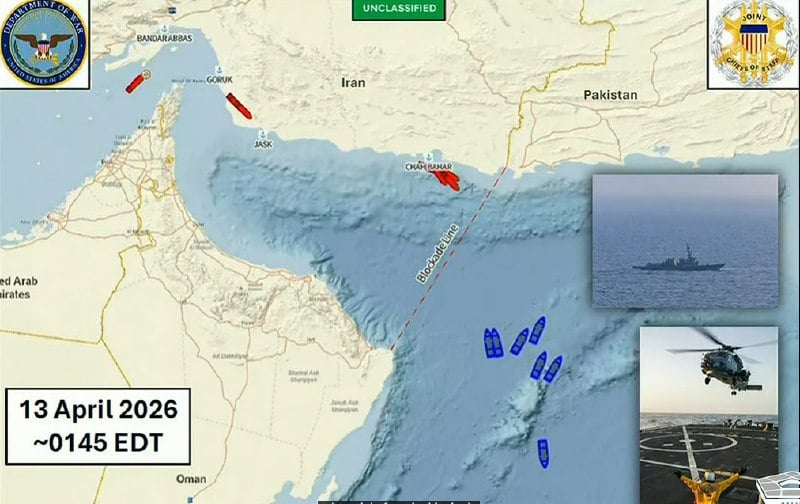
2+The discussions between Tehran and Muscat have reportedly examined the establishment of a “temporary joint transit route” alongside bilateral naval coordination to clear maritime mines. Yet operational activity remains severely constrained: only five commercial vessels transited the strait over the past 24 hours, compared to a pre-conflict baseline average of 15 daily transits. In parallel, Pakistan also reported “significant progress” in diplomatic discussions with Tehran aimed at formulating a broader regional roadmap.
Washington’s Stance: “No Country Will Control International Waters”
Washington has consistently rejected bilateral arrangements between Tehran and Muscat as a substitute for an enforceable international framework guaranteeing unconditional freedom of navigation. The Trump administration continues to intensify its sanctions regime to restrict Iranian energy revenues, warning foreign nations against trading with Tehran while maintaining a posture of maximum economic pressure.
 2+
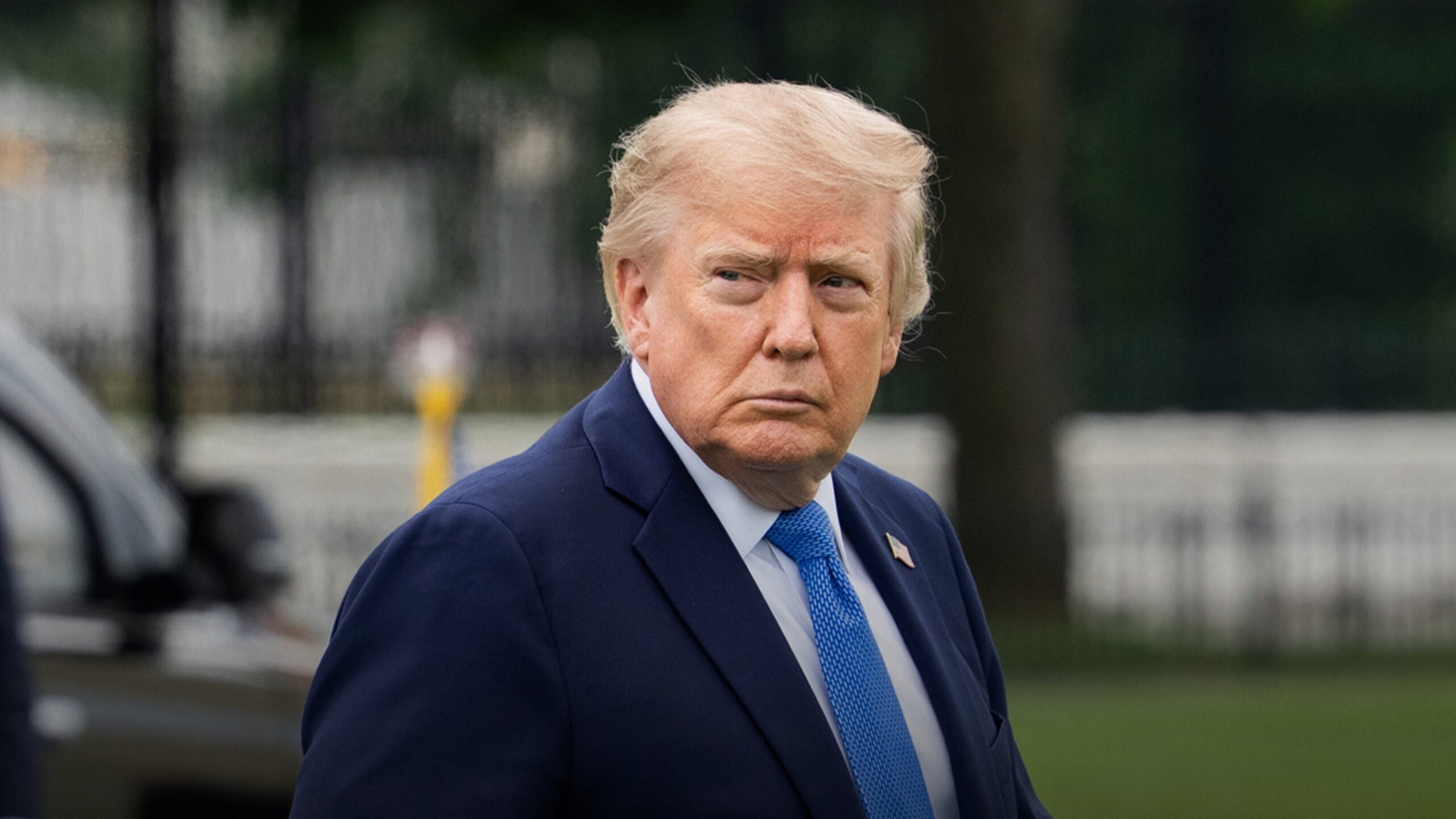
2+The White House has repeatedly rebuffed proposals granting joint Iranian-Omani regulatory jurisdiction over outbound shipping lanes. President Donald Trump previously affirmed that the strait must remain an open international waterway: “The strait will be open to everyone. Nobody will control it. These are international waters. We will watch over it, but nobody will control it.” The administration previously cautioned Muscat against obstructing U.S. strategic objectives or accepting Iranian co-management frameworks.
U.S. Inventory Surge Accelerates Price Drop
The downward pressure on oil prices was compounded by domestic supply data released in the United States. According to the American Petroleum Institute (API), U.S. commercial crude inventories jumped by approximately 4.2 million barrels last week—seven times higher than consensus market forecasts predicting a modest 600,000-barrel build.

The convergence of unexpected U.S. inventory accumulation and prospective diplomatic steps to de-escalate the Persian Gulf maritime bottleneck has temporarily eased market supply fears, even as substantial political and security obstacles between Washington and Tehran persist.