


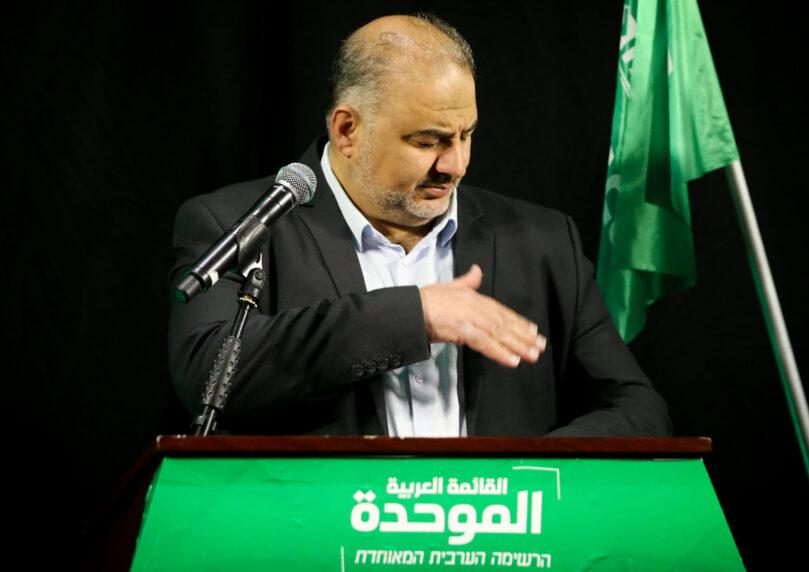



There’s Mansour Abbas in Hebrew, and there’s Mansour Abbas in Arabic. And if we really want to understand what he thinks, what his ideology is, and where he wants to lead—it’s worth listening carefully to what he says in Arabic and translating it accurately.

 3+
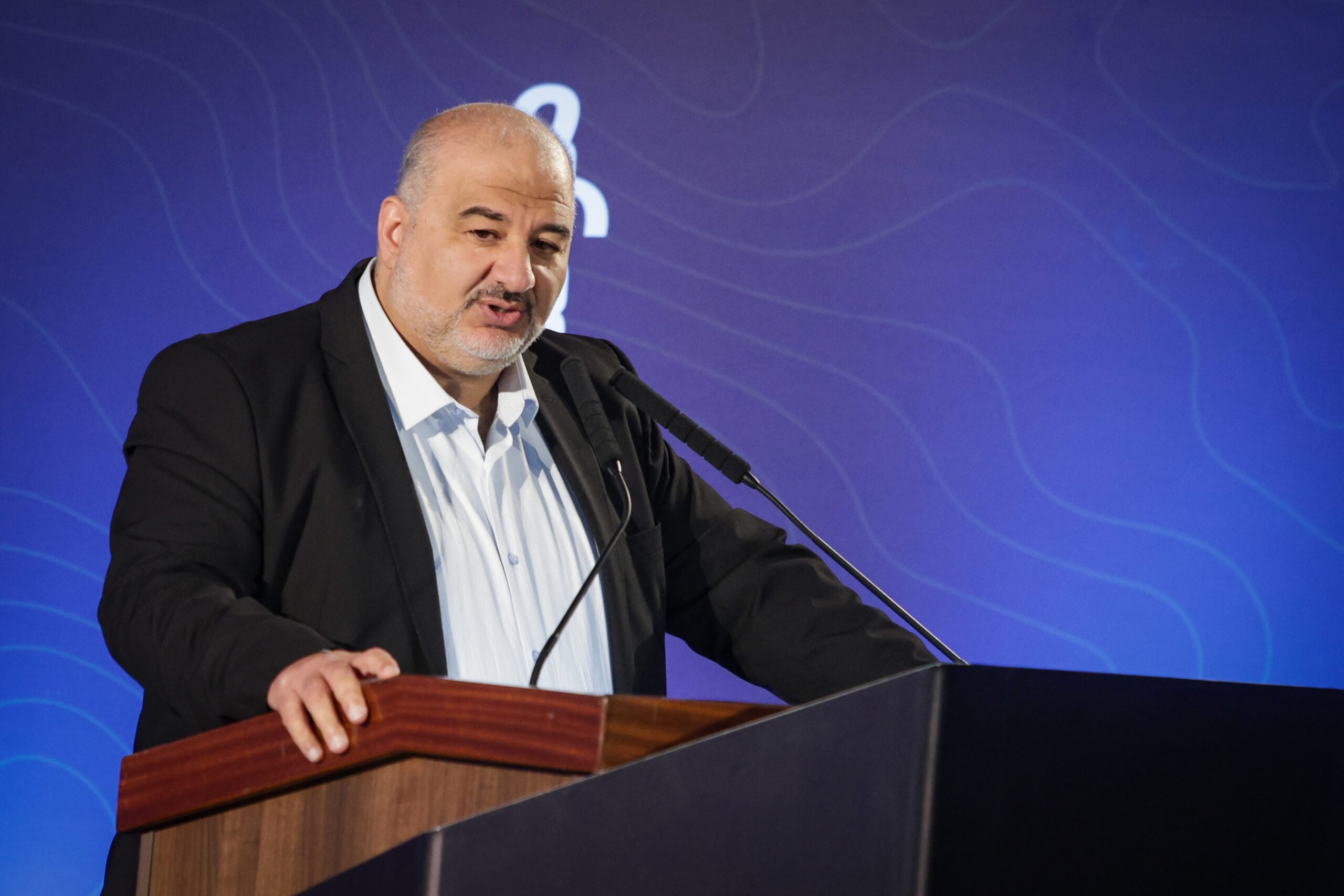
3+When Abbas says in Arabic that he was forced to accept Israel’s definition as a Jewish state in order not to be disqualified from running for the Knesset, and when he doesn’t disavow the ‘Nakba’ narrative, this can’t be dismissed as a slip of the tongue. These statements need to be part of the public debate about him just as much as the more moderate things he says in Hebrew.
This isn’t surprising. The really interesting question is different: Will anyone on the other side of the political map stand up and say honestly—enough is enough? Will anyone who claims to be building a governing bloc clarify that you can’t talk about Zionism, security, and a Jewish state on one hand, while relying on support from someone who presents positions like these on the other?
 3+
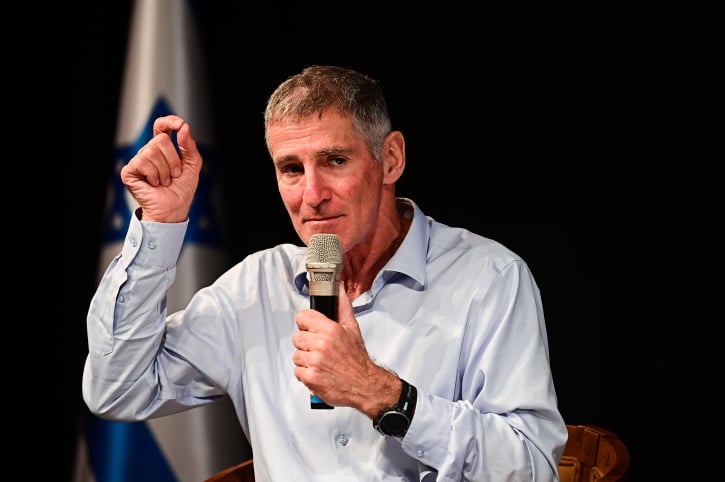
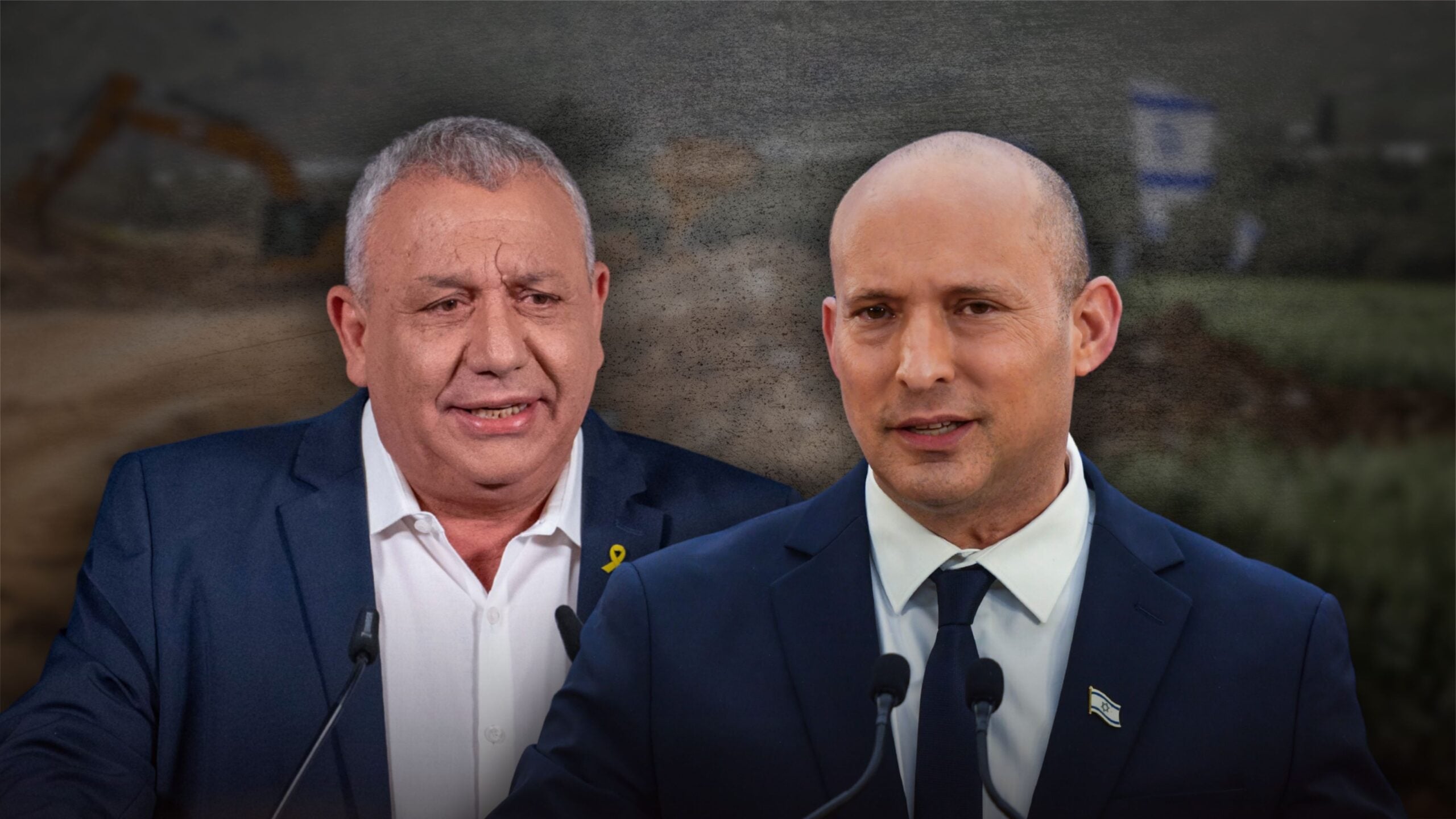
3+From Yair Golan, I have no expectations on this matter. His worldview is well known, and even within his party there are those who hold positions closer to the narrative Abbas presents, certainly on the issue of the ‘Nakba’. But there are others who should be asked about this. Avigdor Liberman, Naftali Bennett, and especially those who seek to present themselves as a statist and security alternative to the current government.
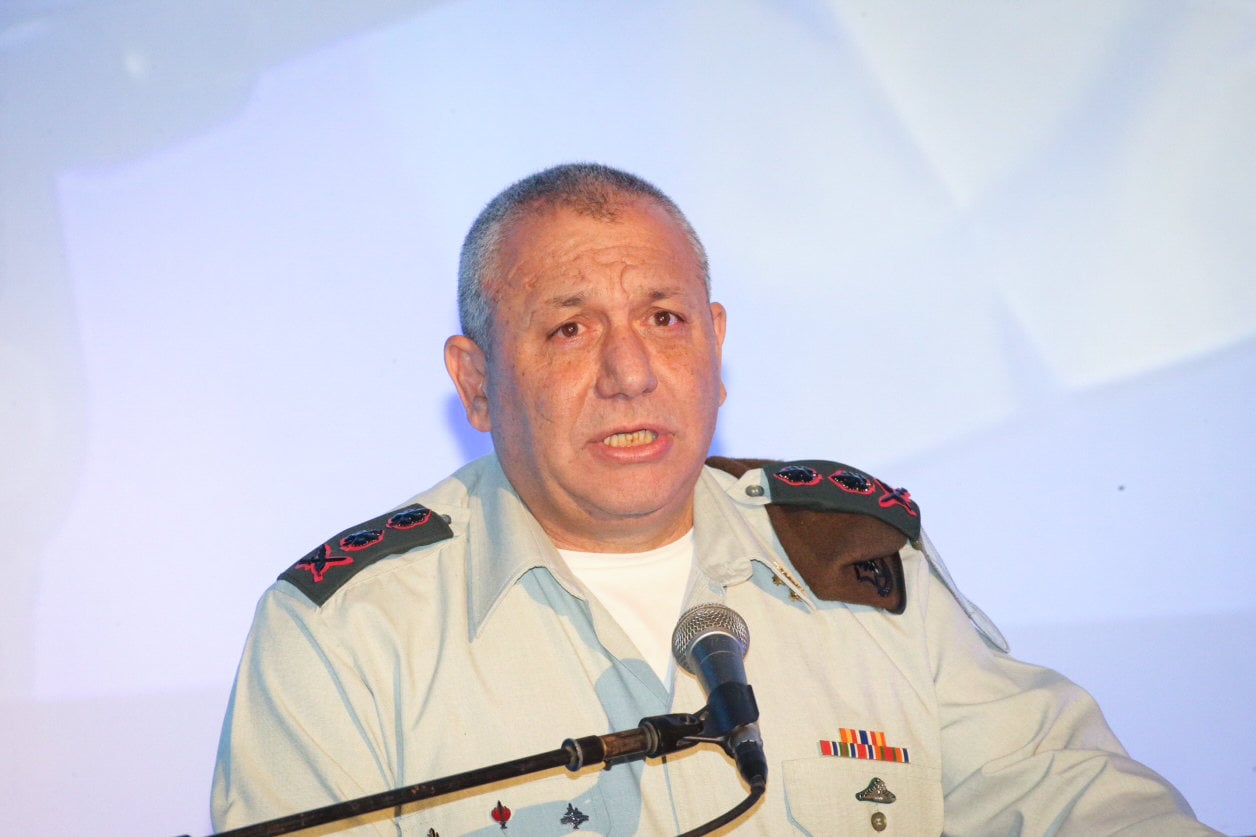
Take Gadi Eisenkot, for example. A former IDF chief of staff, a man who wants to be part of the country’s leadership and perhaps lead a political bloc. Doesn’t he have something to say when Abbas talks about recognizing a ‘Palestinian’ state and explains that his recognition of a Jewish state stemmed, in his words, from the need not to be disqualified from running for the Knesset?
 3+
3+This is exactly the point where a clear line is required. Not stammering, not “we’ll look into it,” and not an attempt to explain that this is about internal battles between the Arab parties. There may well be an internal political struggle, but you can’t escape the fact that there’s also ideology here.
And in the end, the public needs to know what it’s voting for. If there are parties willing to form a government that relies externally or internally on Mansour Abbas—that’s their right. But they need to tell the public honestly that they’ve heard Abbas in Arabic too, understood perfectly well what he’s saying, and still decided he’s a legitimate partner from their perspective.
 3+
3+The debate here isn’t about the translation of a single word. It’s about the question of whether we’re willing to listen to politicians only when they’re speaking in a language we find comfortable to hear.