


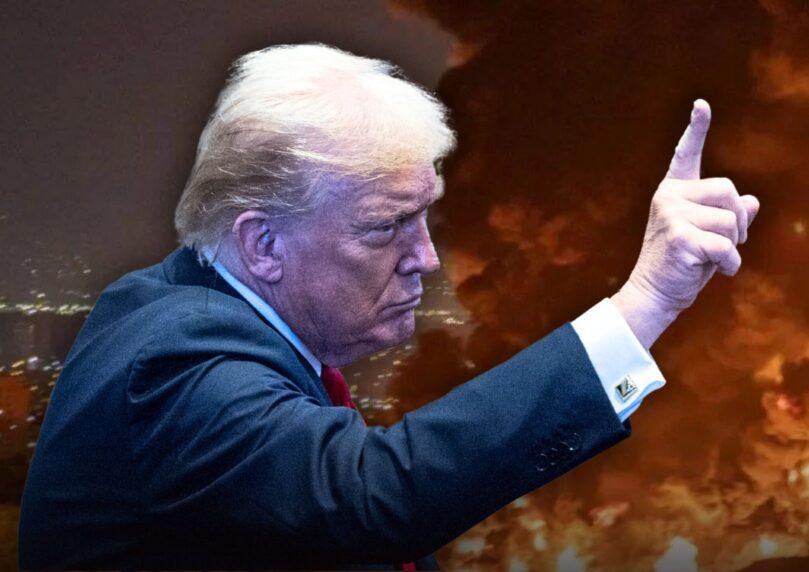

The U.S. State Department is preparing to return American diplomats to embassies across the Middle East that were evacuated prior to and during the armed conflict with Iran, according to internal department documents obtained and reported by
The New York Times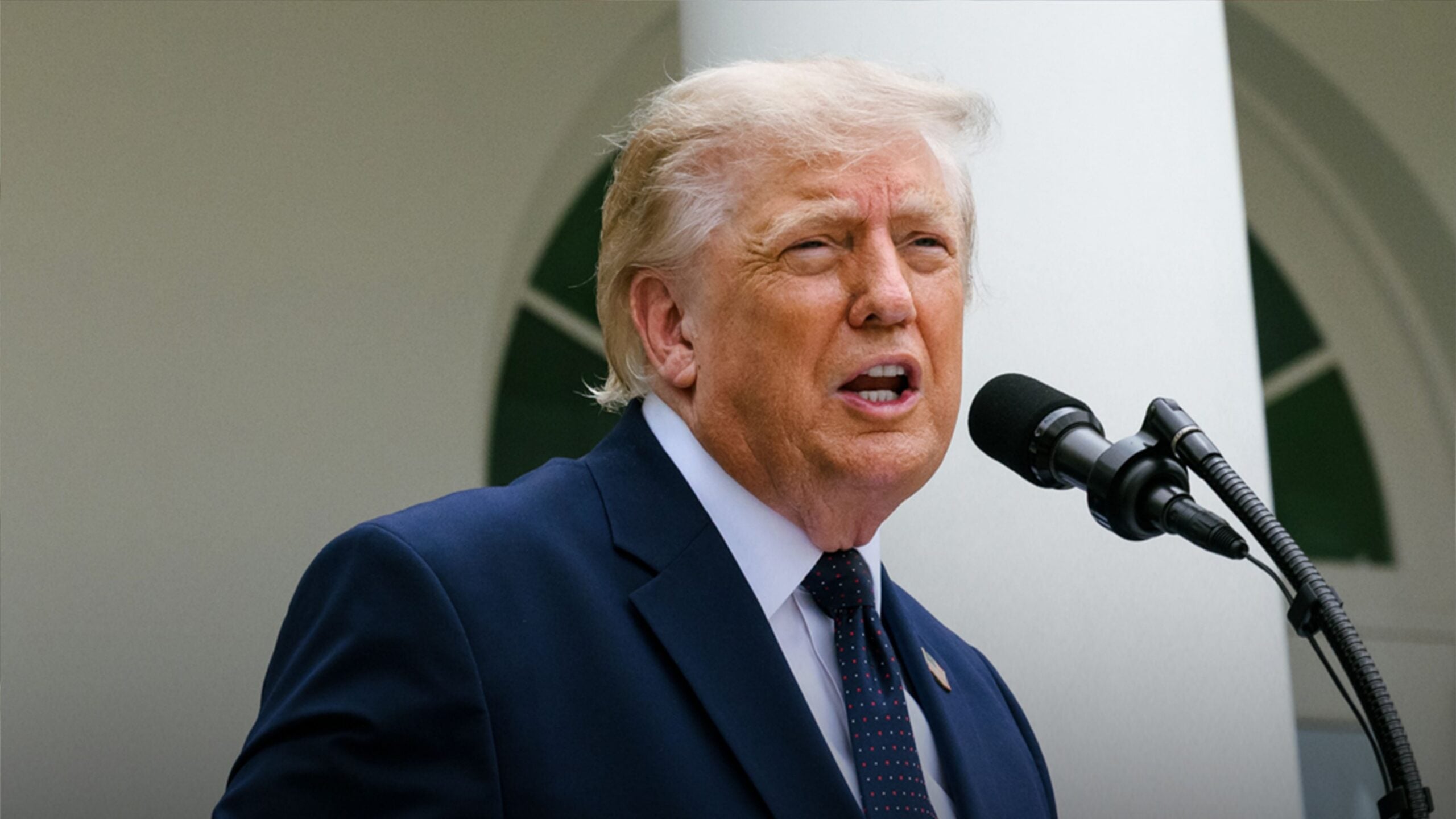

 1+
1+The redeployment, which could commence as early as this week, indicates that President Donald Trump does not anticipate an immediate return to major military confrontation, viewing the return of diplomatic personnel as a tangible step toward regional stabilization.
Under the unfolding operational plan, U.S. embassies in Israel, Jordan, and Oman will return to full staffing levels.
Meanwhile, missions in Lebanon, Saudi Arabia, Qatar, Iraq, and Kuwait will initially operate between 75% and 85% capacity, maintaining ongoing restrictions on the return of diplomats’ families in select posts.
The decision to redeploy personnel comes even as broader diplomatic negotiations between Washington and Tehran over extending the ceasefire hit an impasse, prompting the administration to threaten fresh economic sanctions.
In a formal statement, the State Department confirmed it continuously assesses the security posture of its overseas missions, noting that staffing adjustments are designed to advance U.S. foreign policy objectives while safeguarding personnel.
 1+
1+In late February, ahead of military strikes against Iran, non-essential embassy personnel were evacuated from Jerusalem, followed by evacuation orders across numerous regional posts after Iranian proxies launched swarms of attack drones and missiles at American assets. State Department officials remarked that the return of diplomatic corps reflects assessments that the conflict is entering a phase of containment, though former administration figures caution this does not guarantee long-term peace.
The report stressed that Washington retains the option to order immediate emergency evacuations should hostilities reignite, affirming that staffing missions does not restrict the administration’s strategic operational flexibility against Tehran. Simultaneously, Pakistan continues to position itself as a central mediator seeking to salvage the “Islamabad Agreement,” which established the core architecture of the ceasefire between Washington and Tehran.
American Proposal to Reopen the Strait of Hormuz
According to Arab media reports, the Chief of Army Staff of Pakistan, Field Marshal Asim Munir, traveled to Tehran carrying an updated American proposal framework designed to lift the naval blockade in exchange for phased sanctions relief on Iran. The proposal was formulated following direct telephone communications between General Munir and President Trump. Under the terms, Iran is required to fully reopen the strategic Strait of Hormuz and enforce a complete halt to retaliatory strikes by its regional proxy network. During high-level meetings, Iranian officials laid out Tehran’s non-negotiable demands, insisting on the comprehensive removal of all U.S. economic sanctions as a mandatory precondition.
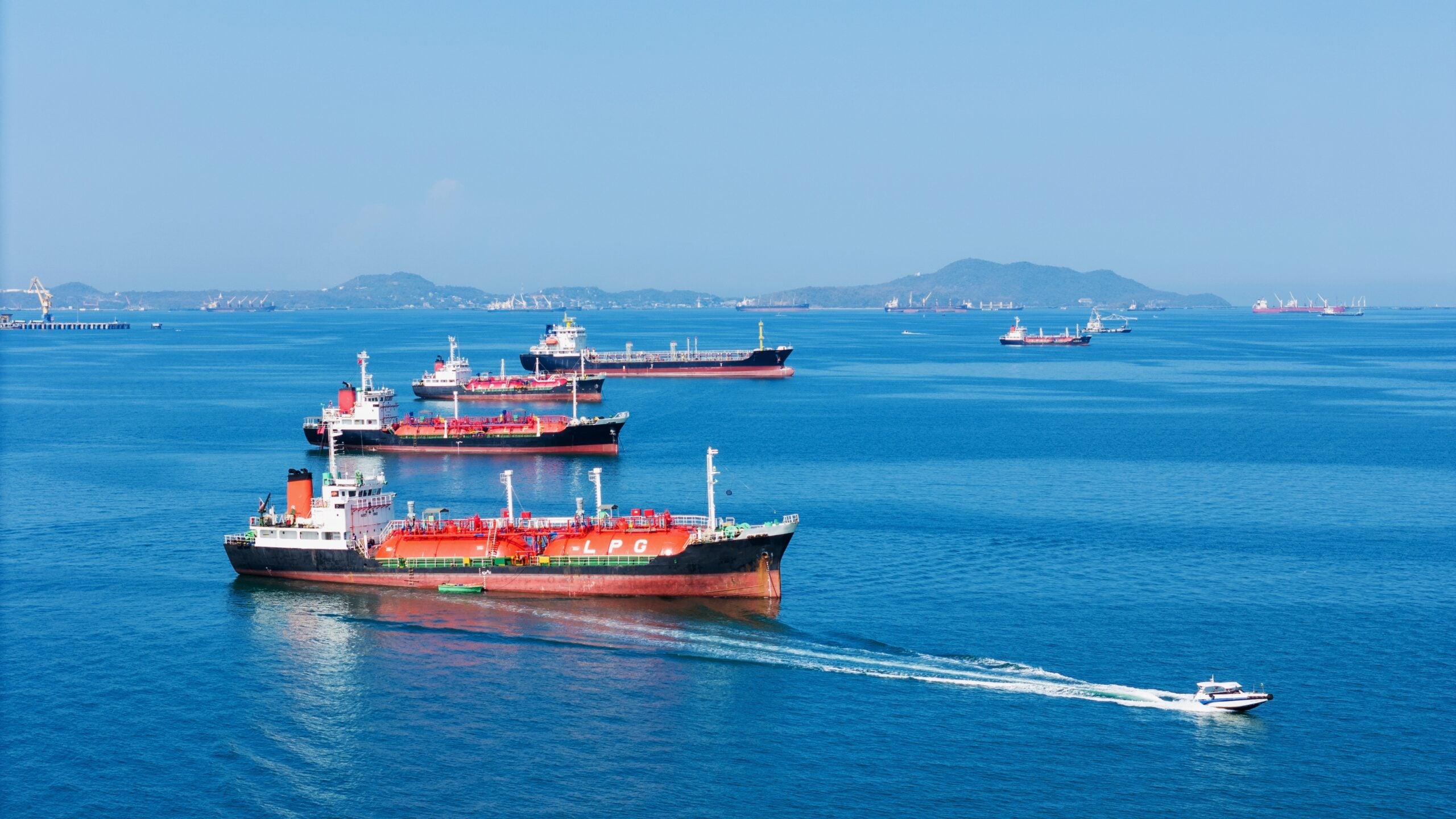
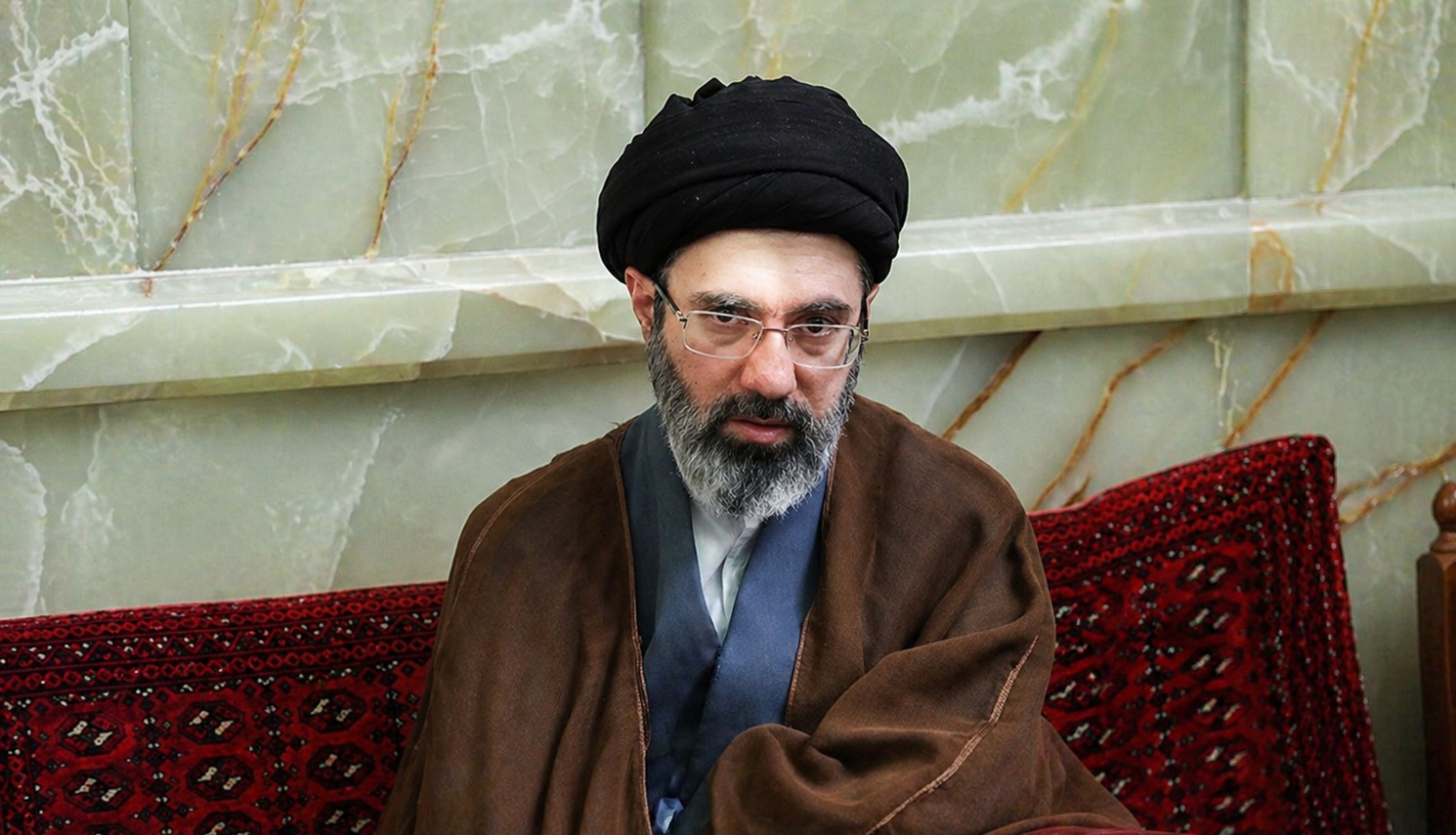
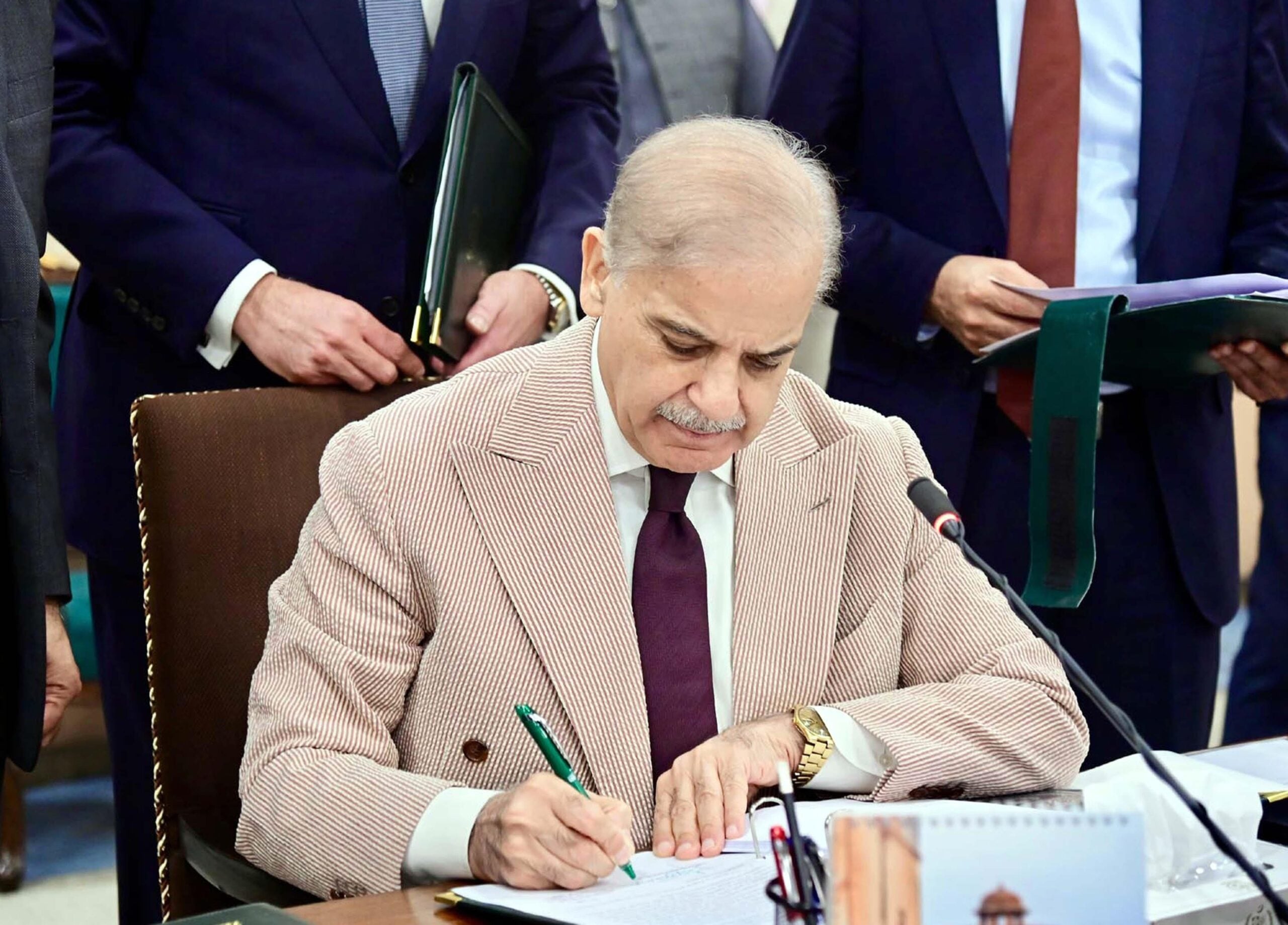
The Secretary of Iran’s Supreme National Security Council, Mohsen Rezaee, warned that the continuation of the economic blockade will meet resistance and further imperil regional energy exports. Iranian President Masoud Pezeshkian conveyed to Munir that halting Washington’s aggressive posture is the only viable path out of the impasse, signaling that Tehran will not buckle under economic or military coercion. Conversely, Pakistani Interior Minister Mohsin Naqvi characterized the Tehran talks as constructive and highly productive. International focus now shifts toward next week’s Shanghai Cooperation Organisation (SCO) summit in Kyrgyzstan, where Pezeshkian is slated to hold critical talks with Pakistani Prime Minister Shehbaz Sharif—a meeting that may determine whether the region secures a fragile accommodation or pivots toward renewed confrontation.