




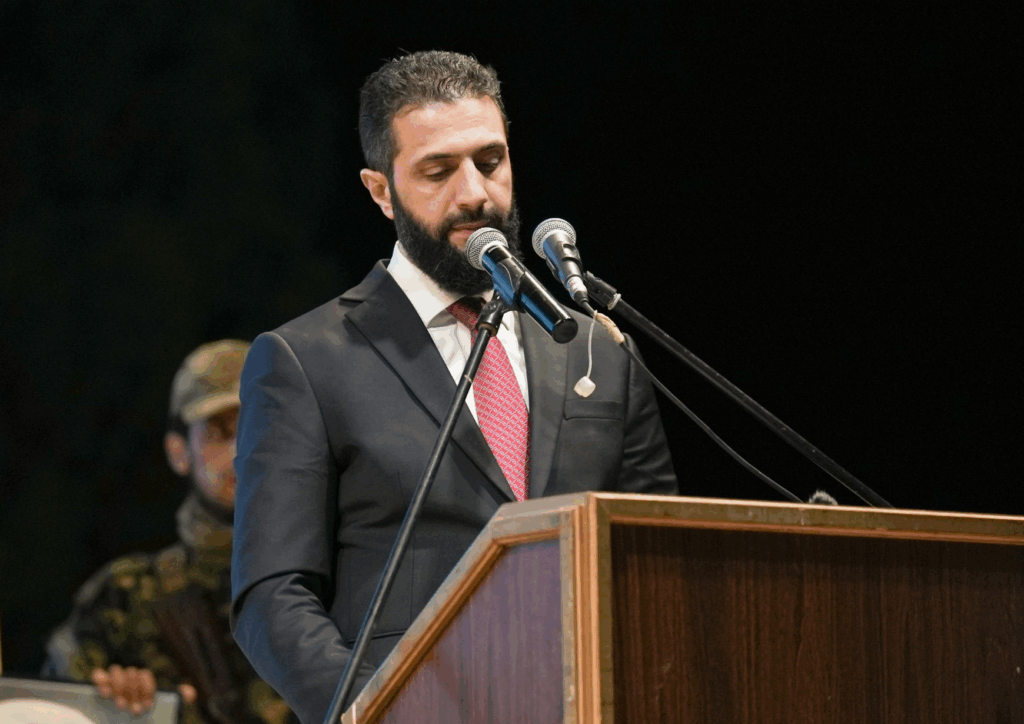
Following recent Israeli airstrikes in Syria and mounting friction with Turkey, the new administration in Damascus is once again floating talk of a diplomatic arrangement with Israel, Channel 14 revealed on Monday evening. Senior officials from both nations held a U.S.-mediated phone call in an attempt to restore communication channels and avert further escalation.

 2+
2+However, Jerusalem is sharply dampening expectations: Israeli officials view the Syrian overtures as a calculated bid to manufacture international legitimacy and exert diplomatic pressure on Israel, assessing that the likelihood of reaching a genuine agreement is virtually non-existent. According to Syrian accounts, the diplomatic contacts included a proposal to establish a dedicated, U.S.-monitored joint situation room in Jordan. The mechanism is intended to prevent direct military clashes inside Syria, specifically preventing escalating Israeli-Turkish friction from erupting into open warfare on Syrian soil. Yet, alongside the push for talks, Damascus is attempting to dictate rigid red lines: Syrian officials insist Israel cannot dictate Syria’s foreign alliances or restrict its domestic military buildup.
 2+
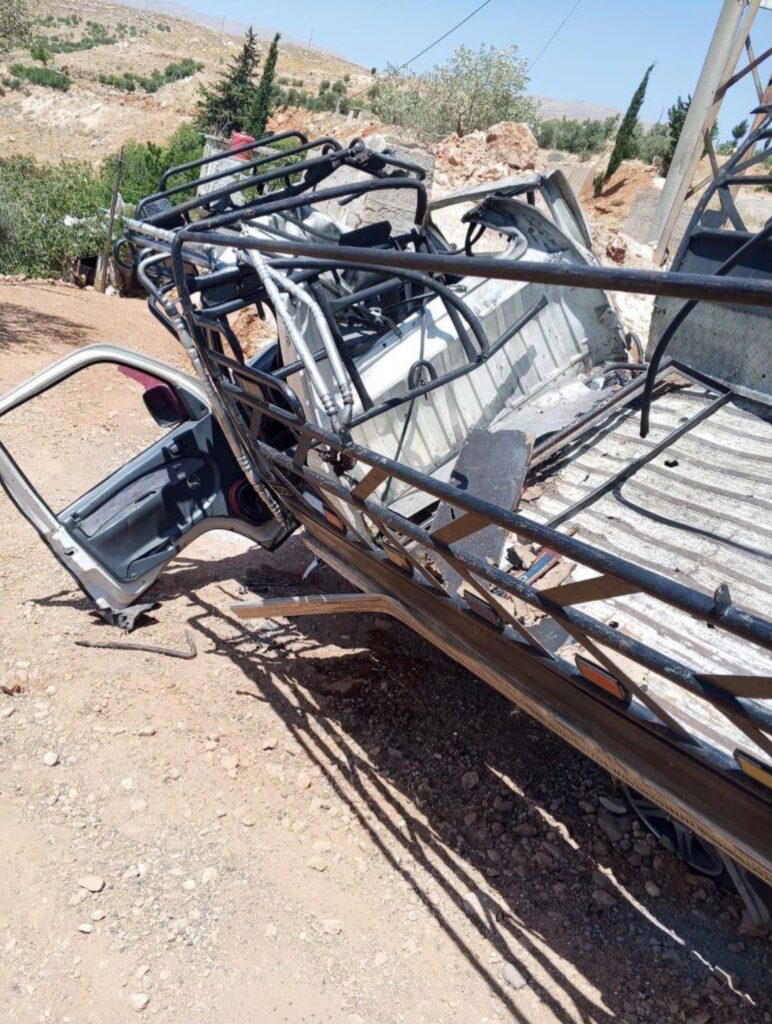
2+Jerusalem views these overtures with deep skepticism. Israeli officials assess that Damascus’s rhetoric is merely lip service aimed at securing global legitimacy while demanding one-sided Israeli concessions that preserve the current jihadi consolidation. Given these irreconcilable gaps, Israeli security assessments conclude that the prospects for any formal accord at this stage remain close to zero. The struggle extends well beyond Syria’s borders. As Turkey seeks to expand its regional dominance, other regional actors are realigning their alliances. Tehran confirmed that proposals have been tabled for multilateral talks with Turkey, Saudi Arabia, and Pakistan to explore regional security cooperation frameworks.
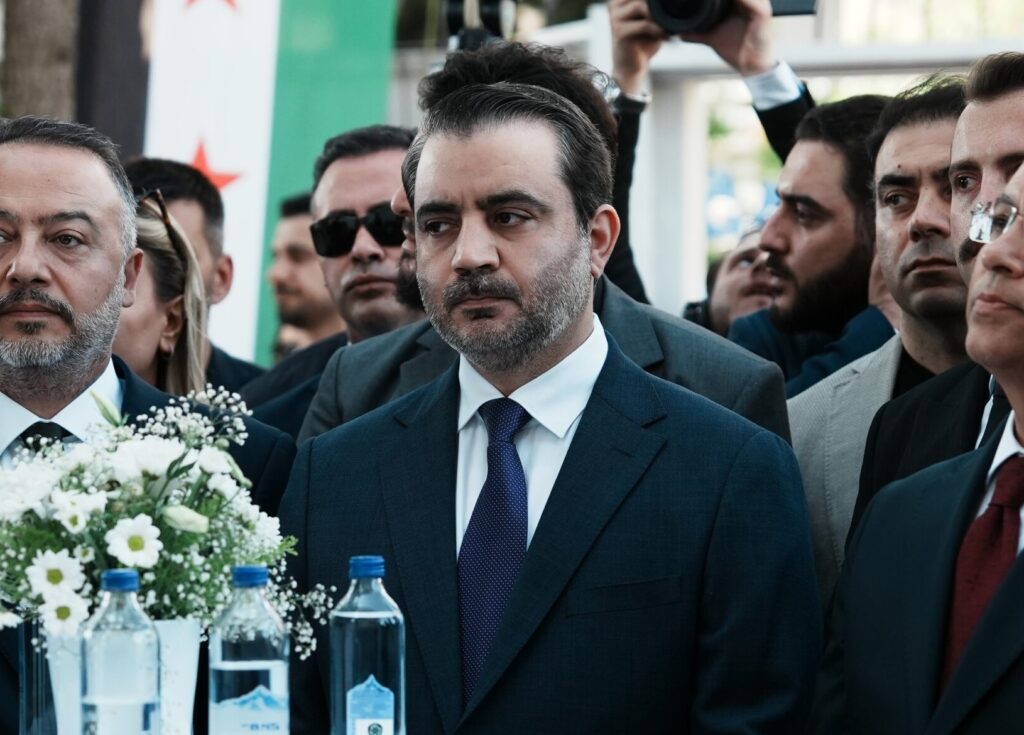
On the opposing front, Greece is aggressively deepening its strategic and military cooperation with Israel. Athens delivered a blunt warning to Ankara, affirming that Greece possesses the full operational capability to defend its strategic interests in every arena. The Greek Foreign Minister emphasized that defense ties with Israel are strategic and enduring, declaring that Turkey will never dictate Athens’ regional partnerships.
 2+
2+Meanwhile, operational realities on the ground inside Syria remain volatile. A video circulating on social media shows a uniformed individual explicitly claiming that Turkish armed forces are deployed inside the airport perimeter. If verified, the footage directly contradicts official Turkish denials and casts serious doubt on public assurances presented by U.S. envoy Tom Barrack, though the claims in the clip cannot be independently confirmed.
Amid this escalating regional tug-of-war stands Syria’s new ruler, Ahmad al-Sharaa (Abu Mohammad al-Julani). While currently leveraging close ties with Ankara to stabilize and solidify his rule, intelligence assessments indicate he has no intention of remaining an Turkish proxy. His strategic objective is to build an independent Syrian military powerhouse—a trajectory causing deep alarm in Jerusalem, where officials warn that the jihadi forces being assembled today will inevitably be turned against the State of Israel.