


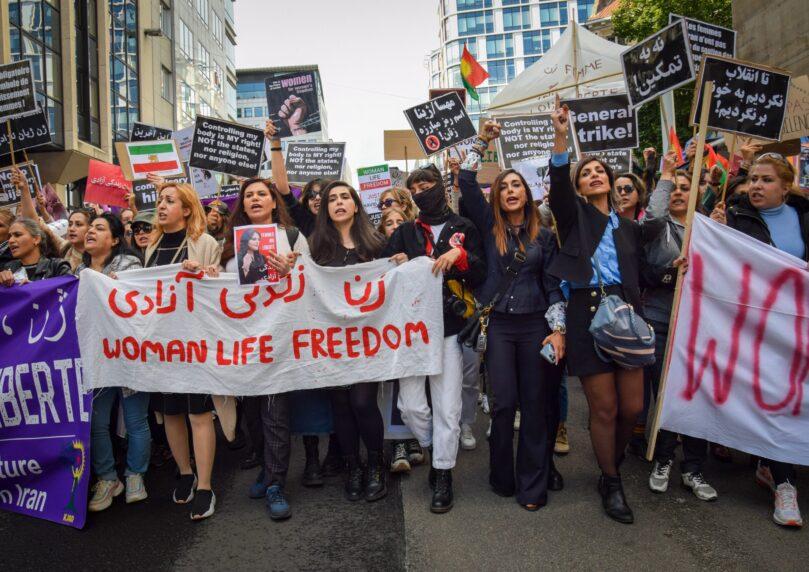

Iran has battled over women’s modesty for years, but now the situation appears to be worsening. While the regime spent the past six months facing off against Israeli and American air forces, the Islamic Republic has done almost nothing about the growing number of women openly refusing to wear the hijab.
At the height of the war, women without headscarves were spotted even at pro-government rallies and on state media. In one video, an uncovered woman carrying the Iranian flag said her husband serves in the military and that she’s proud of him. For authorities busy with war, enforcing women’s dress codes apparently slipped down the priority list. Now, Iran’s conservative forces want to push the issue back to the top. Clerics and conservative politicians are demanding action against what they call “public nudity,” while cafes and other businesses are being shut down for failing to enforce dress codes, CNN reported. But on Iran’s streets, women aren’t backing down—social media videos show young women riding scooters in Tehran and other cities wearing helmets but no headscarves.
A 60-year-old woman from Tehran told CNN that authorities still seem hesitant to confront women directly. “They still don’t dare say anything to people on the street. Girls in Tehran walk around in crop tops, shorts, and all kinds of clothing, and veils are basically no longer a thing,” she said. Behind the selective enforcement lies a volatile calculation. For the regime, punishing businesses is one thing, but sending the morality police back into the streets to confront large numbers of women is something else entirely. Iran is dealing with the economic fallout of the recent war, which isn’t over yet, and opening another front at home against women carries clear risks.
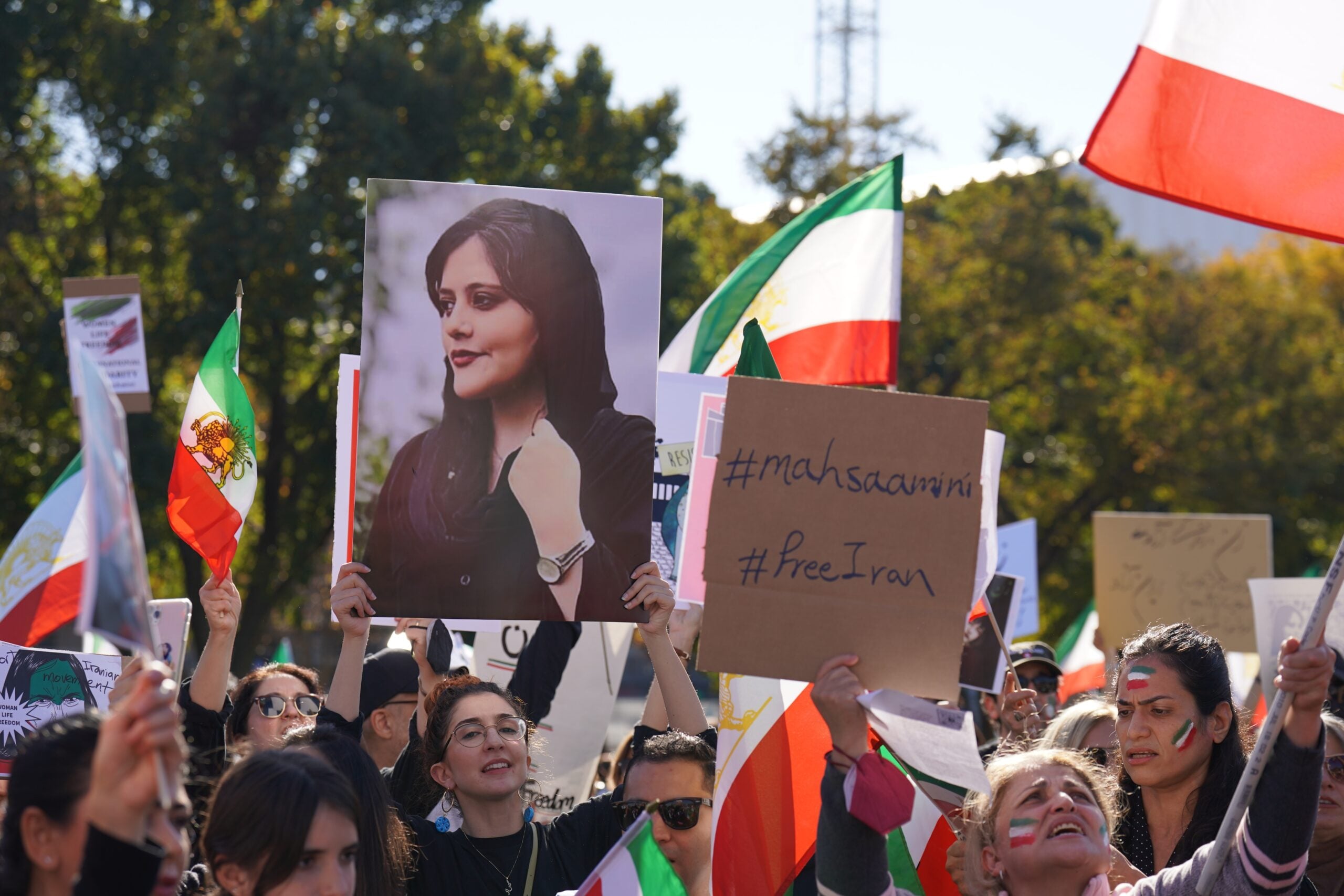

While the massive 2022 protests that set the streets ablaze are remembered in Iran and worldwide as a failure, the regime appears to have been affected by that period anyway—and is being careful not to ignite the streets during this difficult time for the country.