



Turkey and Greece aren’t exactly friends, but they seem to have found common ground this time around. Turkish media published a warning to Cyprus on Sunday claiming Israel is trying to take control of the island. While it’s no surprise that the Turkish newspaper Hürriyet—which frequently attacks Israel—would run such a story, the paper specifically highlighted research published in Greek media. That research argues the Israeli presence on the island can no longer be explained simply by economic investment, but rather as a “silent settlement.”

 3+
3+Turkish outlets emphasized that Israelis have become one of the most significant groups of foreign buyers in Larnaca, Limassol, and Paphos. Larnaca, in particular, was described as one of the areas where the change in Israeli presence is most pronounced. Beyond real estate investments, the expansion of social, commercial, and religious infrastructure for the Israeli and Jewish community was also highlighted as a central issue. According to the research, the opening of schools, Chabad houses (which they called places of worship), businesses, and the establishment of various infrastructures serving the needs of the Jewish community should make it clear to Cyprus that Israelis have come to stay. Finally, both countries claimed warnings have been voiced that if the current situation continues, it could damage public acceptance of relations between Israel and Cyprus among the local population.
 3+
3+The Greek research comes after a billboard for Gadi Eisenkot and the Yesh! party was recently spotted on the Mediterranean island. The billboard, written in Hebrew, featured a photo of Eisenkot alongside the text: “Israelis, drive safely. You deserve it.” The ad, apparently aimed at the thousands of Israelis staying in Cyprus, sparked widespread reactions on social media and in local media. At the center of the debate was the question of whether it’s appropriate to allow a foreign country’s election campaign on Cypriot soil, especially at a time when the number of Israelis on the island is particularly high.
 3+
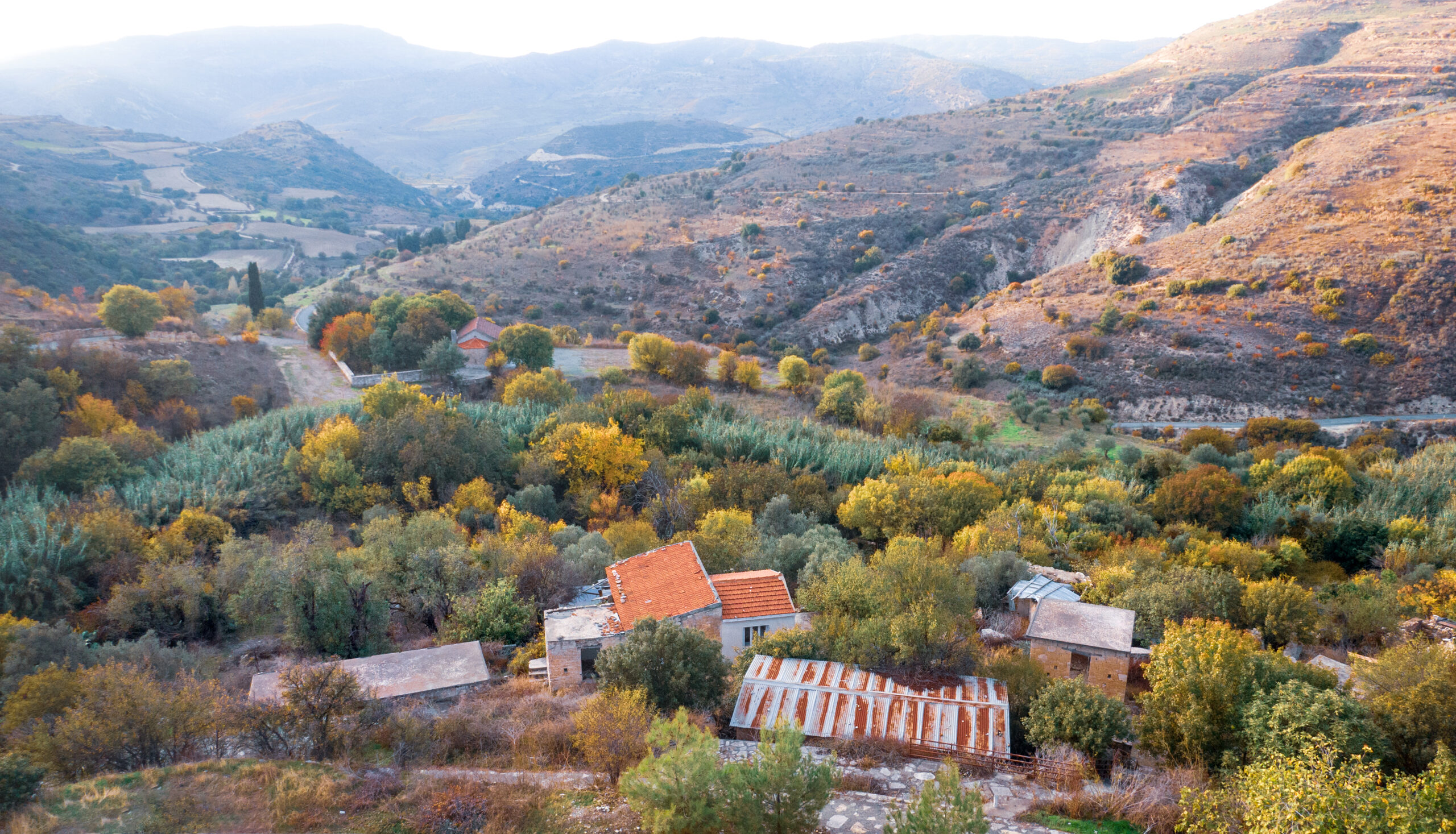
3+This isn’t the first time Turkey has warned Cyprus in one way or another. Back in May, Turkish media published an antisemitic warning to the Cypriot government that their island is being gradually conquered by the Israeli masses. Turkey made this claim following several Israeli real estate companies that began secretly buying abandoned Cypriot villages as complete real estate blocks. The Turkish warning cited an antisemitic report claiming an Israeli real estate company prevented local residents from reaching a church in one of the abandoned villages—a report that was later clarified as “fake” because the church in question was in the middle of a construction site and access was restricted for safety reasons.
 3+
3+Nevertheless, the report succeeded in creating a bad reputation and led to numerous posts on social media among Cypriots who wrote that “Jews are not allowed to enter our village, they will destroy our church.” It’s also important to note that the village in question was abandoned in the 1980s and has no electricity, water infrastructure, or usable roads. Relations between Turkey and Cyprus are defined by a deep territorial conflict that began with the Turkish invasion in 1974, which split the island into an internationally recognized Greek south and a Turkish north recognized only by Ankara. Due to the strengthening strategic and security alliance between Cyprus and Israel, Turkey is trying with all its might to damage a relationship it sees as a direct threat to its influence in the region.