


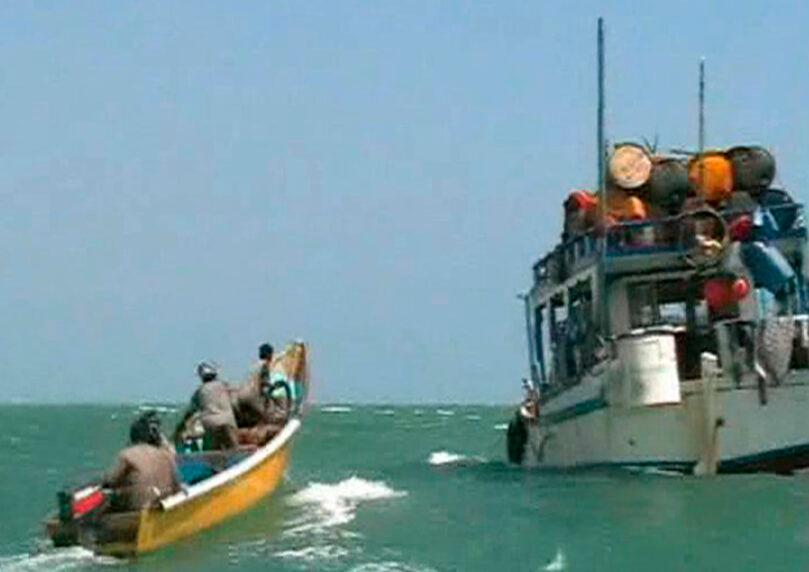

While the West focuses its military efforts on protecting shipping lanes around Iran and the Persian Gulf, an old threat is resurfacing off the coast of Somalia: Somali pirates are back in action, and shipping companies worldwide are bracing for a potential escalation in attacks on international trade routes.

 3+
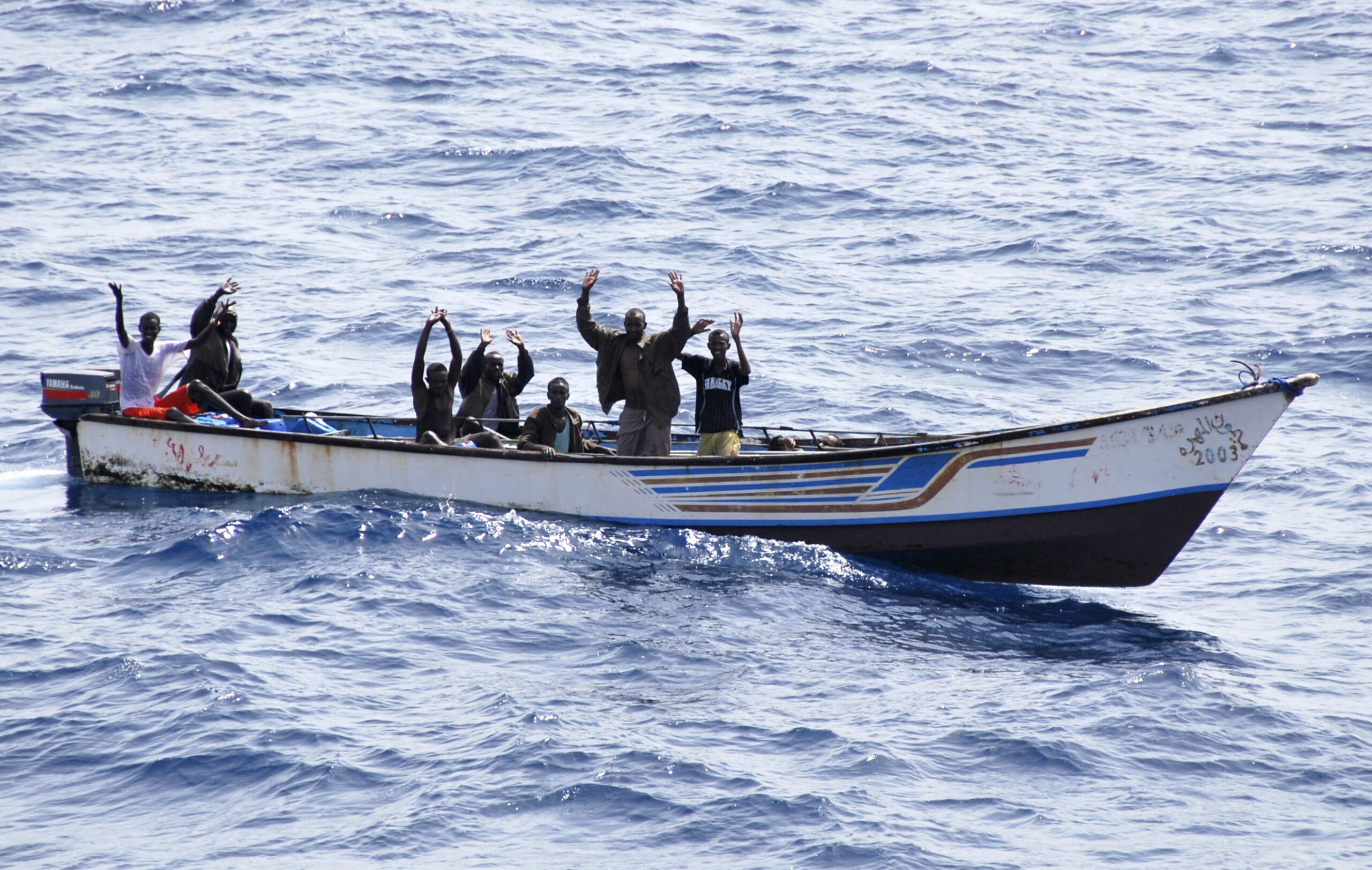
3+According to a report by Politico, pirates in the region are taking advantage of Western naval forces being diverted to protect the Persian Gulf, ramping up their activity off Somalia’s coast. Data from maritime intelligence firm Windward cited in the report shows that earlier this week, pirates seized a cargo ship in the area—described as at least the fifth attack since April. The report also states that pirates have recently captured at least three tankers carrying oil and fertilizer, and in July hijacked a ship carrying chemical cargo near Yemen. All the vessels are now being held off the Somali coast, with dozens of crew members in captivity serving as hostages.
 3+
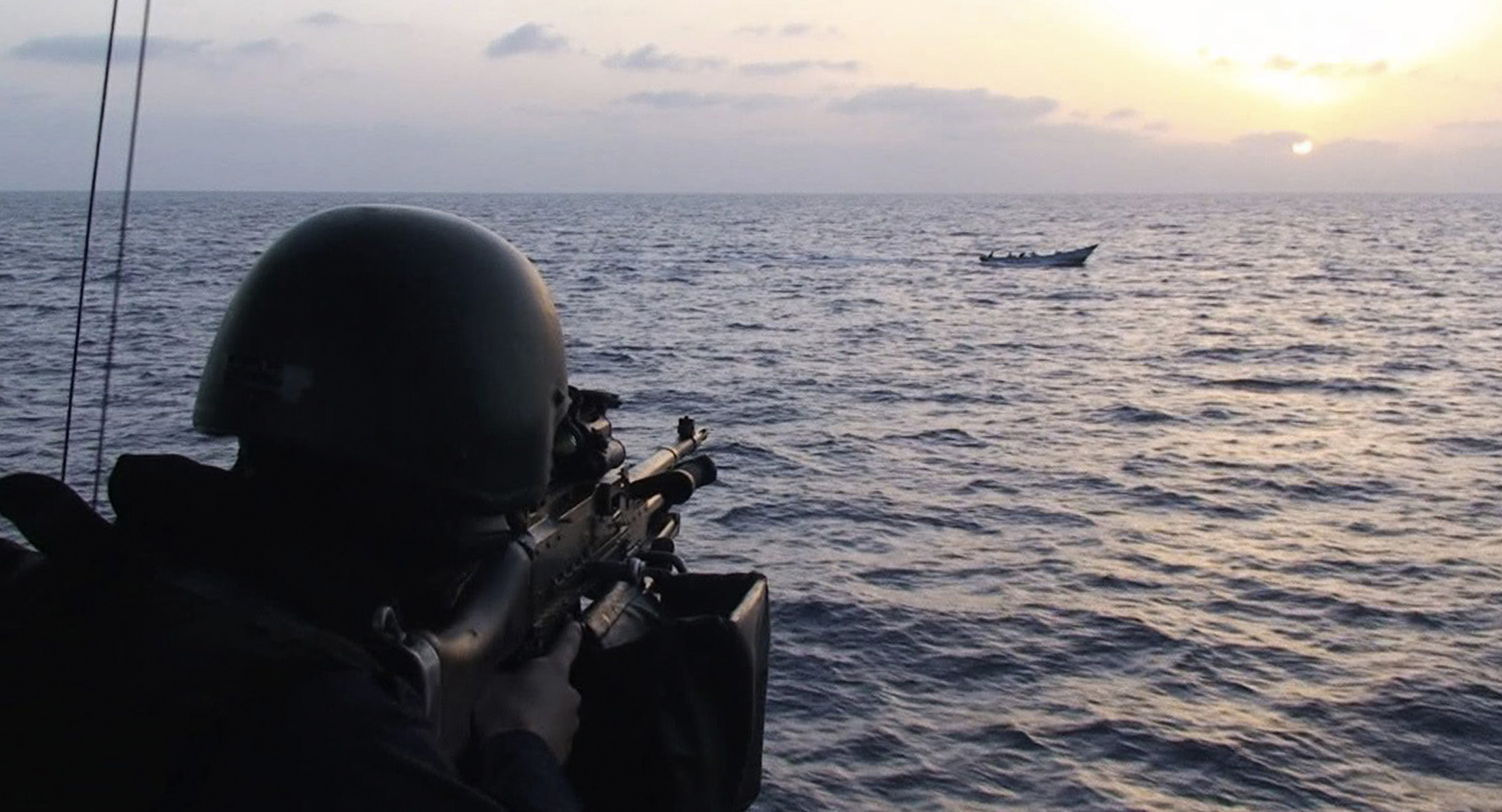
3+The timing is no coincidence. Disruptions in the Strait of Hormuz and shipping lanes around the Gulf have sent oil and fertilizer prices soaring, making these types of tankers especially valuable targets. Meanwhile, the maritime route passing Somalia has served in recent months as an alternative path for ships seeking to avoid friction points in the Gulf and Red Sea—but now that route is becoming more dangerous too. The main factor enabling the return of piracy, according to shipping industry sources, is the diversion of military resources. American and Western warships are currently busy escorting tankers and protecting shipping lanes around Iran, creating a window of opportunity for pirates. The assessment is that the likelihood of a rapid military response in the Somalia area has dropped, allowing pirates to operate with greater confidence.
 3+
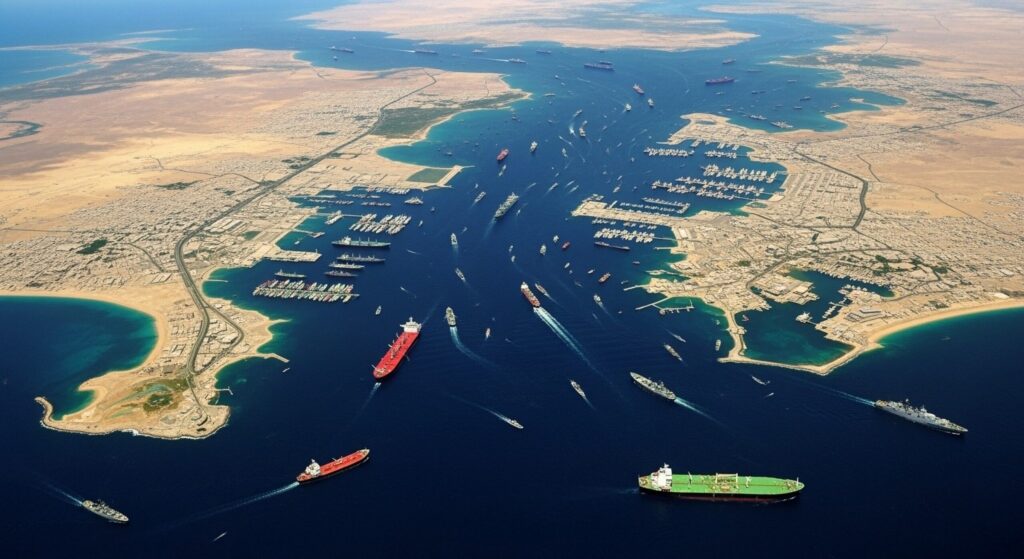
3+For shipping companies, this represents another blow after a long period of maritime tensions in the Strait of Hormuz and the Bab el-Mandeb Strait. The renewed threat off Somalia could lead to fewer ships willing to pass through the area, rising transportation costs, higher maritime insurance premiums, and increased spending on armed security. The White House rejected the claim that the conflict with Iran enabled the pirates’ return. A U.S. administration official told Politico that the United States is the largest contributor to Somalia’s security, and that powerful naval forces operating in the area are capable of protecting oil tankers while simultaneously dealing with multiple threats.
 3+
3+The international community now fears a return to the peak years of Somali piracy, between 2005 and 2011. During that period, pirates attacked hundreds of ships, and the phenomenon caused global economic damage estimated at about $18 billion per year. Piracy subsided only after a large-scale naval operation by NATO and a coalition of 47 countries.