


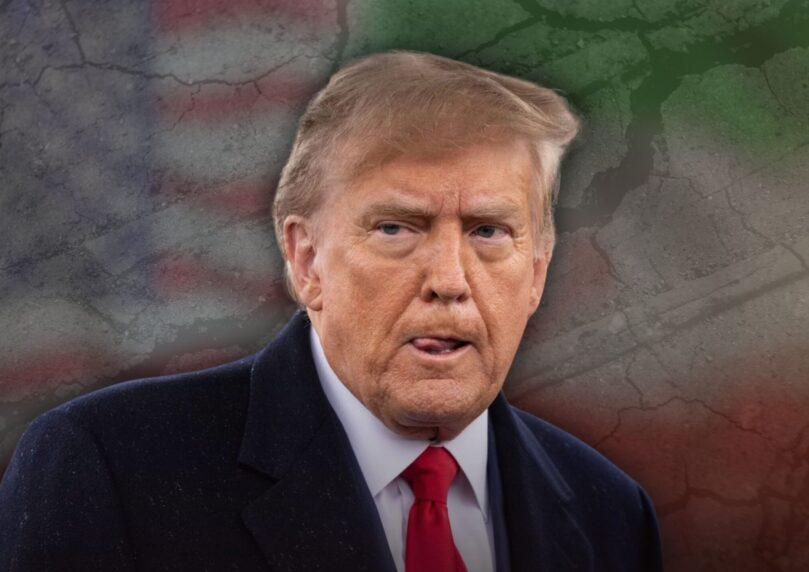

The American campaign against Iran is shifting to the economic battlefield. President Donald Trump recently declared what he’s calling “Economic D-Day,” aiming to tighten the chokehold on the Islamic Republic’s financial lifelines. In a sharp and unusually forceful post, the president made clear the United States won’t settle for direct sanctions on Tehran alone—it will go after any international actor that tries to help Iran stay afloat.

 2+
2+“Either Business with Iran—Or Access to American Markets”
The White House’s new strategy presents a stark ultimatum to the world: choose between economic ties with Iran or access to America’s financial system and markets. “Any country that allows financial institutions, businesses, or government entities to provide a ‘lifeline’ to Iran will face massive economic consequences,” the president’s office said. Trump’s direction is clear: complete closure of every remaining loophole Tehran has in the global system, including hitting airports and entities that enable trade with the isolated nation.
 2+
2+Direct Confrontation with Beijing
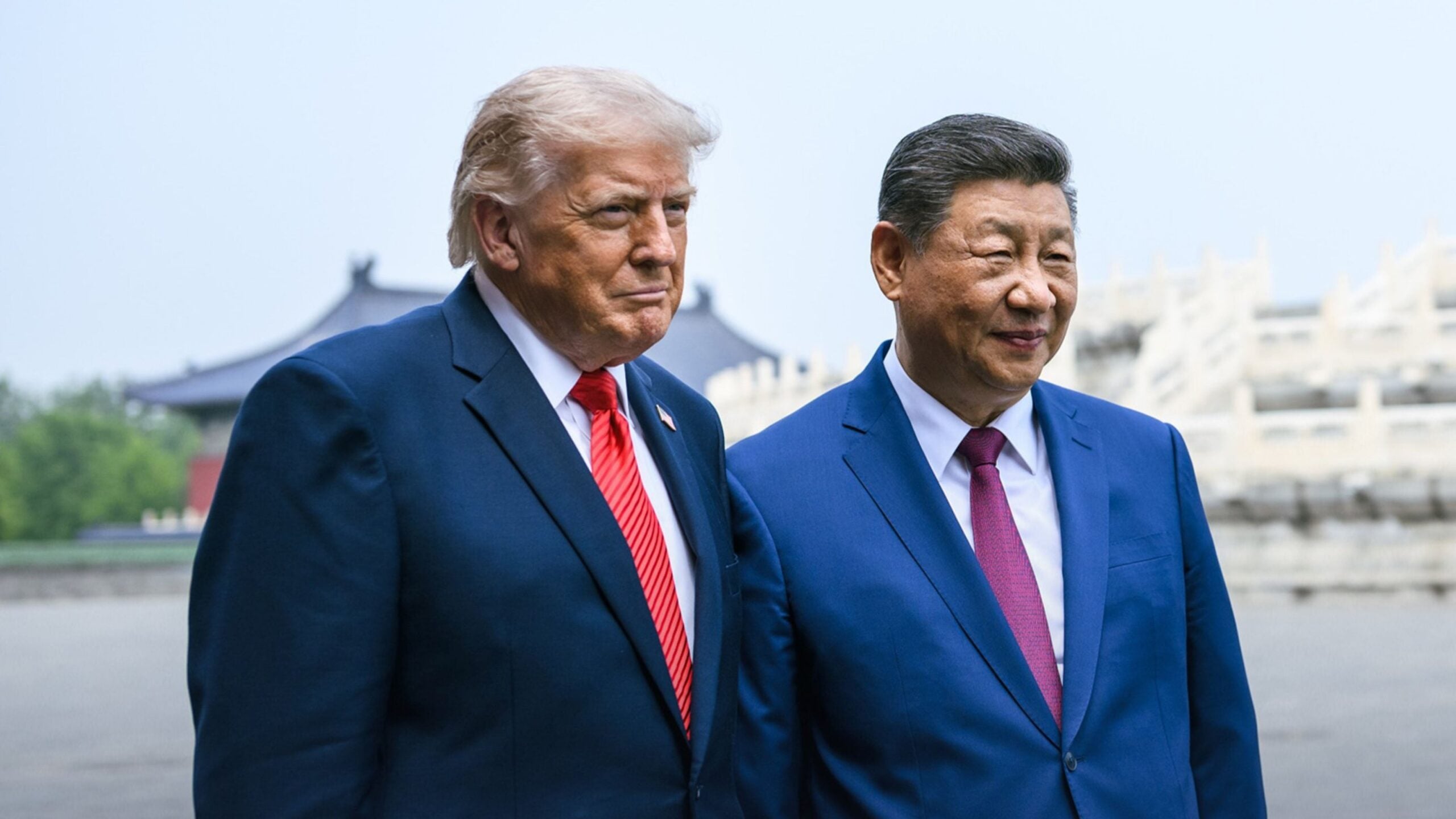
The American move doesn’t stop at Middle Eastern borders and hits an especially sensitive point for China. Over the past year, more than 80% of Iranian oil shipped by sea reached destinations in China. The U.S. administration has already begun imposing sanctions on private Chinese refineries that purchased Iranian oil, and Washington is now preparing to expand the pressure to the Chinese banking system that enables this trade. Experts estimate this step could lead to an even sharper direct economic confrontation between Trump and Beijing.
The Price American Consumers Are Paying
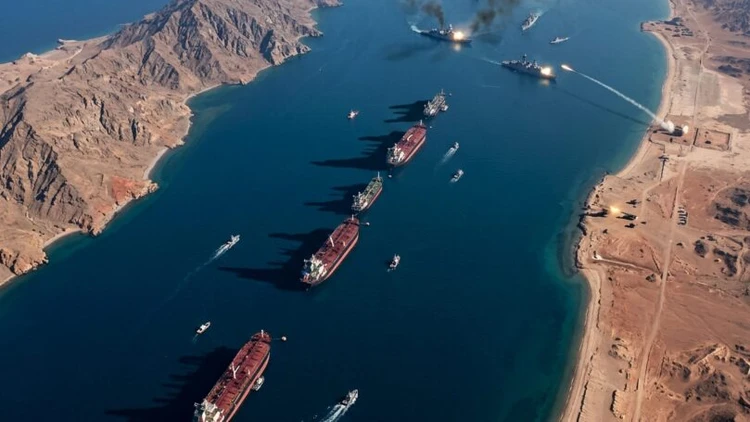
Despite Trump’s declarations about American control of the Strait of Hormuz, data on the ground shows maritime traffic is far from returning to normal, and the consequences are being felt acutely in the American citizen’s wallet.
 2+
2+Fuel prices in the United States have recorded a dramatic surge:
- Gasoline: The price per gallon, which stood at under $3 before the strike, jumped 44% and crossed the $4 threshold.
- Diesel: An even sharper spike of 55% was recorded, with prices climbing to $5.45 per gallon.
High energy prices don’t stop at gas stations—they seep into every supply chain, from transportation and logistics to agriculture. Ultimately, the distant economic war in Iran translates to rising cost of living for the average American family, which encounters the higher bill on supermarket shelves as well.