


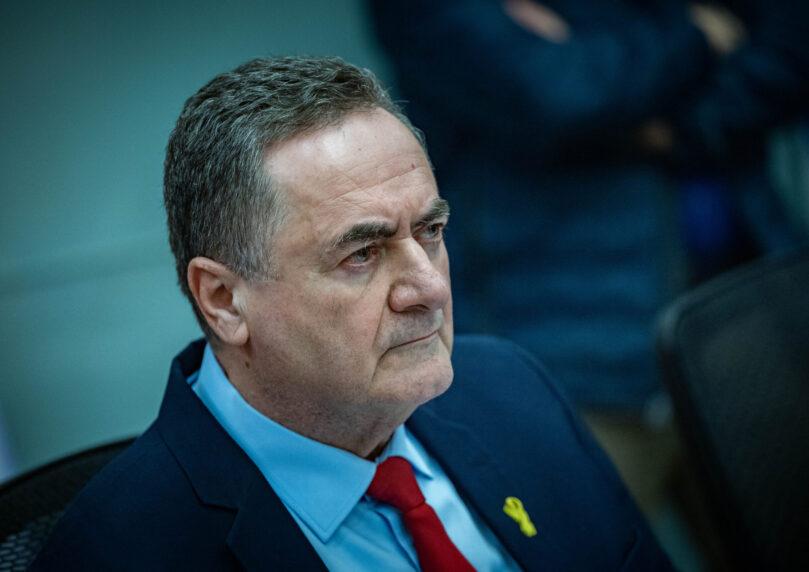

Defense Minister Israel Katz issued a sharp message Thursday morning to Turkish President Recep Tayyip Erdoğan, centered on a warning against Turkish activity in Syria. Katz claimed Erdoğan is dragging his country into “dangerous adventures” and made clear that Israel won’t allow any entity to threaten its security.
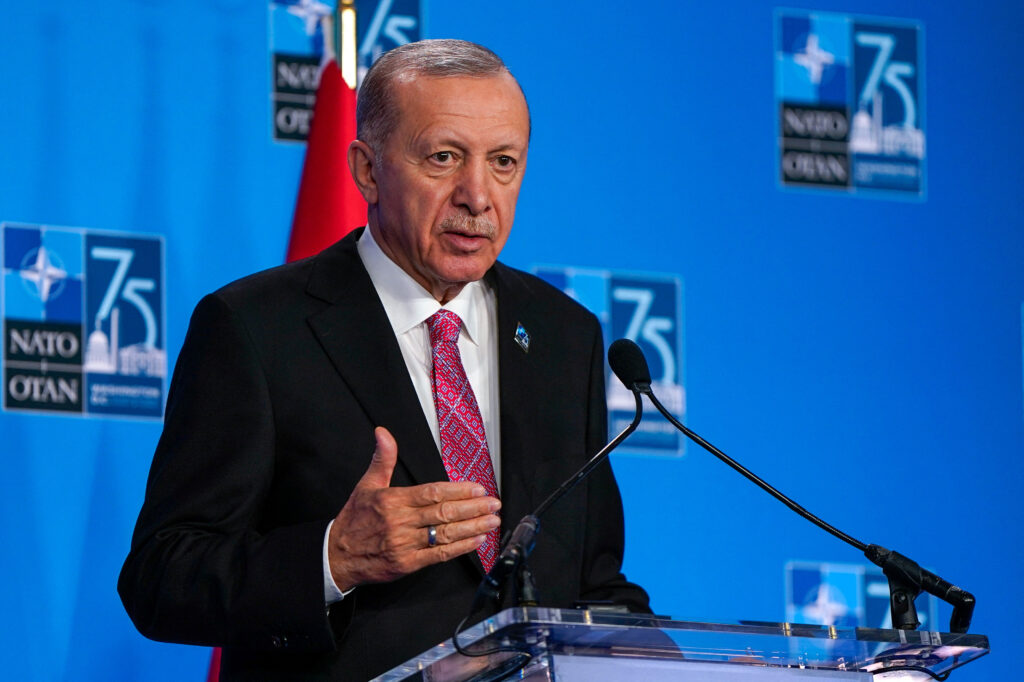
Katz wrote on his X account: “Erdoğan is dragging Turkey into dangerous adventures in Syria. Israel will not allow any entity to threaten its security.” The defense minister then sharpened his tone and delivered a direct warning to the Turkish president: “Erdoğan would be better off continuing to deliver his empty, delusional speeches against Israel in the Turkish parliament rather than testing Israel’s determination to defend itself.”
The warning is based on the attack on the Abu a-Duhur base in the Idlib province. According to reports from Syria, eight airstrikes hit the base, including the runway and facilities there. No casualties were reported. The significant detail is what happened before the attack: According to Syrian sources, a Turkish delegation visited the base just hours before it was attacked. The base had been inactive for more than a decade following the civil war in Syria, and efforts have recently been made to reactivate it.
Israel has claimed that Syria has come close to violating security understandings by potentially stationing Turkish forces at the base – a development that Israel sees as a threat to its security. According to reports, the Israeli concern is over the deepening of the Turkish military presence and influence in Syria.
Turkey, on the other hand, rejected the claims. Ankara claimed that the Israeli explanations were unfounded and that they were used to justify Israel’s actions in Syria. The Turkish government emphasized that its cooperation with Damascus was intended to help the country’s stability and reconstruction.
According to Reuters, four days earlier, on August 14, Mossad chief Roman Gofman spoke with Syrian Foreign Minister Asad al-Sheibani. The conversation is considered one of the most high-profile known contacts between Israel and the Syrian government led by Ahmed al-Shara. According to sources cited in the report, a central part of the conversation dealt with Turkey’s military presence and growing influence in Syria. Among other things, Gofman raised questions about the supply of weapons, drones, and Turkish military assistance to Syrian forces.
Al-Sheibani claimed after the attack that Damascus had already made it clear to Israel that it had no intention of turning Abu al-Duhur into a Turkish military base and that the site was to remain under Syrian control. He said that despite these messages, Israel attacked the base.
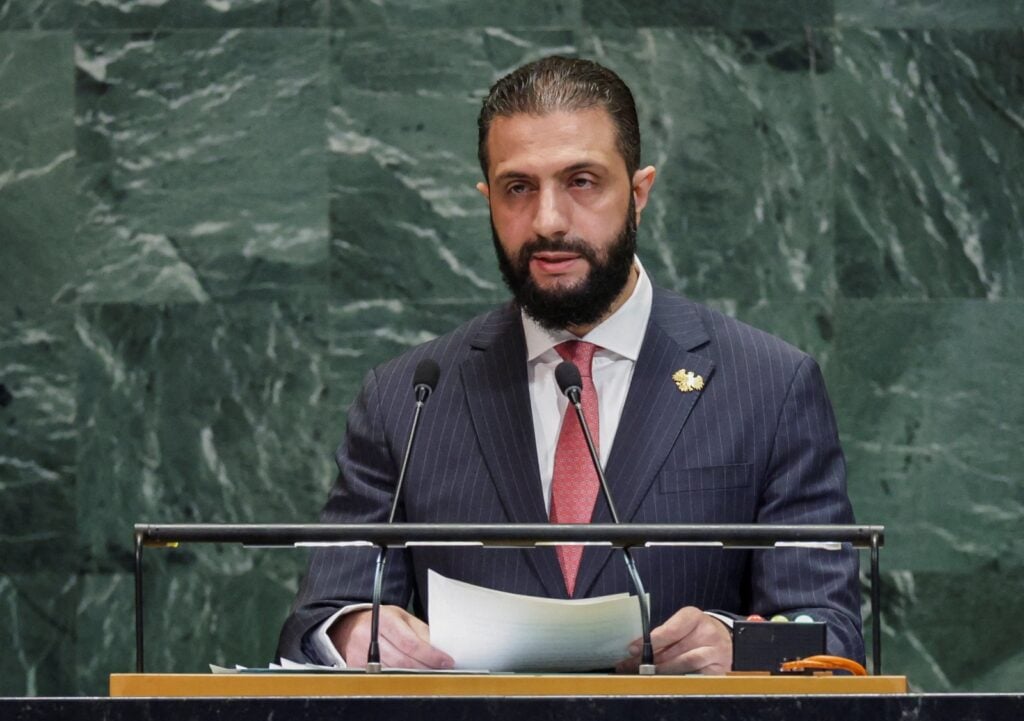
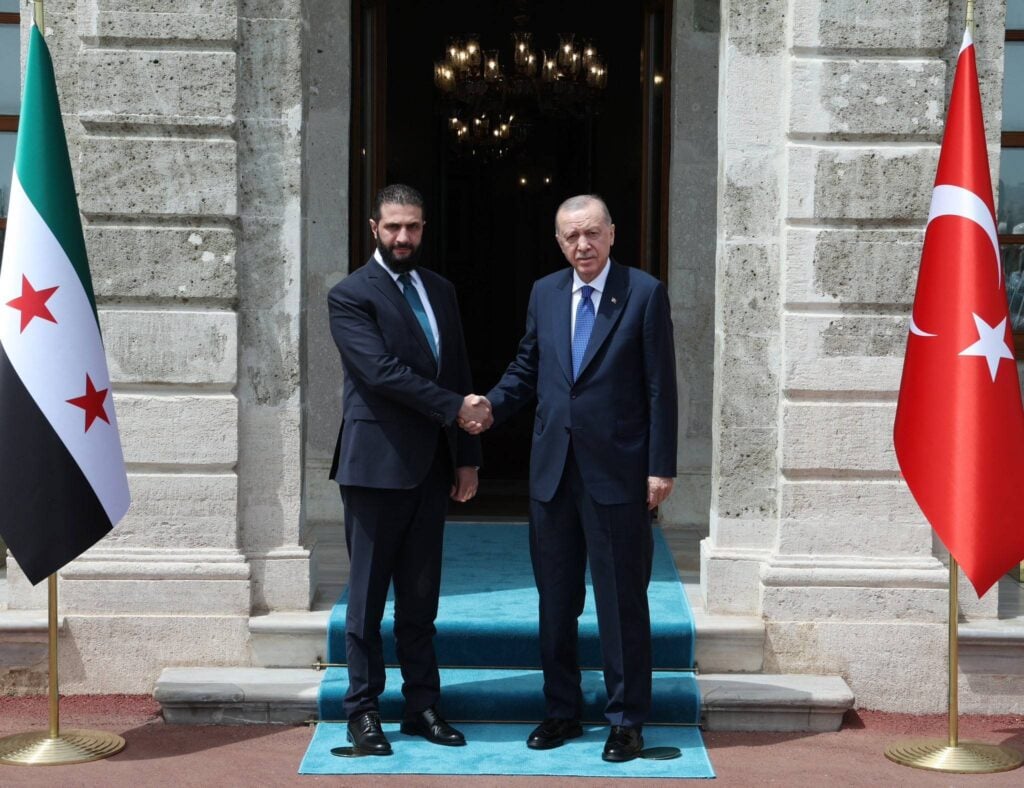
Behind the Israeli concern lies the significant rapprochement between Ankara and the new regime in Damascus. Turkey has become one of the main allies of the al-Shara government, and in 2025 the two countries signed an agreement for military cooperation. As part of this relationship, Turkey helps train Syrian military personnel and provides equipment, along with supporting the reconstruction of the country.
The rapprochement is not limited to the security sector. Turkish Energy Minister Alparslan Bayraktar announced this week that Turkey is ready to cooperate with the Syrian government in oil and gas exploration in the country – further evidence of the expansion of Turkish involvement in Syria.
Tensions between Israel and Turkey are already causing concern in Washington. The US envoy to Syria, Tom Barrack, criticized the Israeli attack, calling it an “unnecessary escalation” that does not contribute to regional stability. According to Barrack, the United States is working to establish a coordination mechanism between Israel, Turkey and Syria, designed to enable the transfer of information and prevent misunderstandings that could lead to a military clash. According to the report, Turkey did not receive advance warning of the attack, and Washington fears that a similar incident in the future could lead to a military response and rapid escalation.
Therefore, Katz’s warning to Erdogan comes at a particularly sensitive time: on the one hand, Turkey is deepening its security and political ties with the new regime in Syria; on the other, Israel is making it clear that it is not prepared to accept a Turkish military presence that it would see as a threat near its borders.