


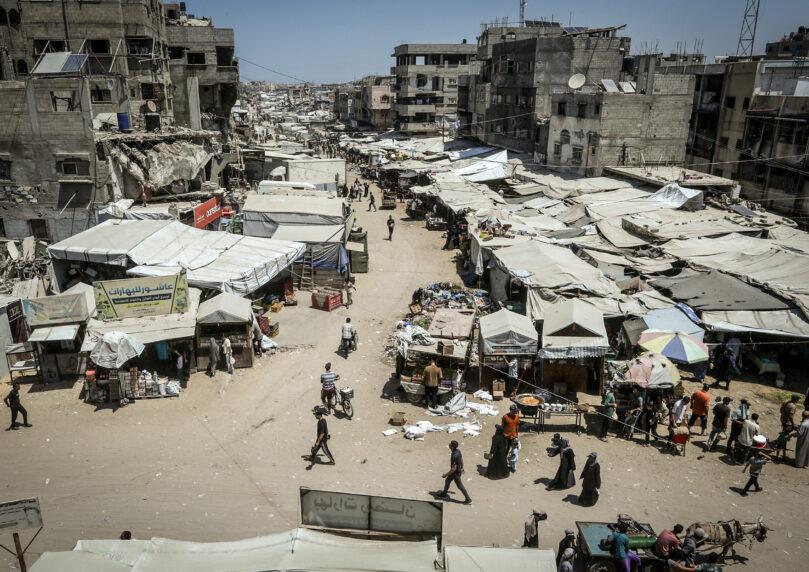

Prime Minister Benjamin Netanyahu and senior Peace Council officials held what were described as “deep and constructive” talks on Monday, agreeing to establish two working teams to address Gaza’s future. According to the announcement, Israel and the Peace Council are determined to quickly disarm and demilitarize the Strip, with the process set to be completed before any reconstruction of Gaza begins. A second team will handle sanitation, clean water supply, and public health problems.
Progress is being made in contacts between Israel and the Peace Council regarding Gaza’s future. Following talks between Netanyahu and senior Council officials, the two sides decided to establish two working teams focused on two central issues—demilitarizing the Strip and addressing the civilian and health situation.
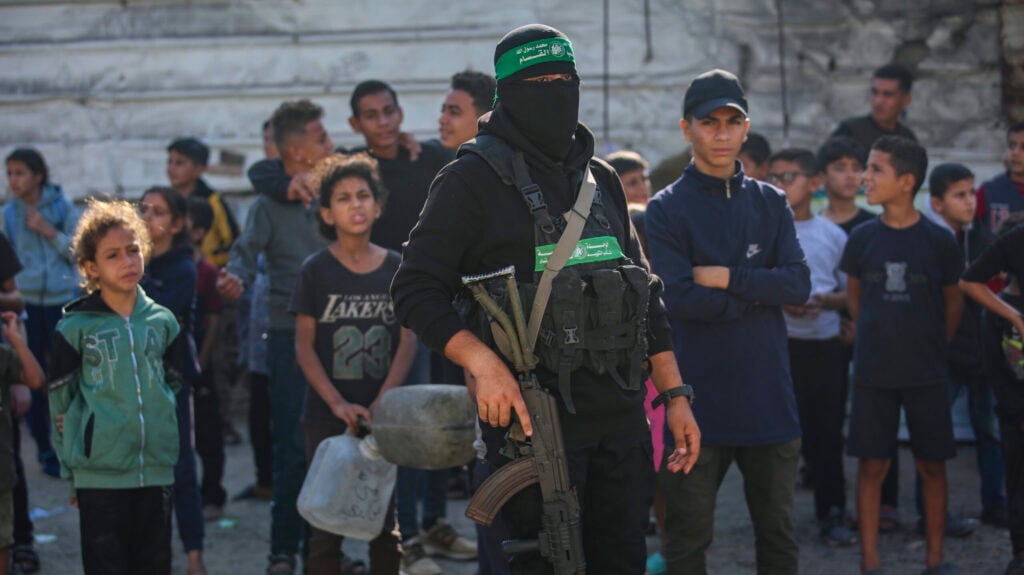

One of the most significant outcomes of the meeting concerns the condition for beginning Gaza reconstruction. According to the understandings between the prime minister and the Peace Council, reconstruction work will not begin until disarmament and demilitarization of the Strip are completed. In other words, from Israel’s perspective, broad reconstruction of infrastructure and buildings cannot move forward as long as Hamas and other armed organizations maintain military capabilities.
A dedicated working team will be established to advance the demilitarization process, with both sides making clear they want the move carried out quickly and completed before reconstruction begins. This position aligns with Netanyahu’s recent demand that Hamas be stripped of its weapons before irreversible steps are taken in the Strip.

The first team will focus specifically on disarmament and demilitarization of Gaza. The Peace Council’s official plan also stipulates that the Strip should undergo a demilitarization process supervised by independent parties, including permanent removal of weapons from use as part of an agreed process.
Meanwhile, the second team will focus on civilian issues that cannot wait for the political and security process to conclude. Among other things, it will address sanitation, clean water supply, and other public health problems. The statement emphasized these are issues affecting not only the population in the Strip, but also Israel.
The agreement comes against the backdrop of renewed American efforts to advance the next phase of the Gaza plan. Jared Kushner met with Netanyahu in Jerusalem after holding an unusual meeting in Egypt with senior Hamas ‘official’ Khalil al-Hayya. At the center of the contacts is the question of disarming Hamas and its connection to Israeli steps in the Strip.
According to reports today, Hamas expressed willingness to move forward with a demilitarization framework, but linked it to commitments and steps by Israel. Netanyahu, on the other hand, insists that disarmament be completed before an Israeli withdrawal.
The decision to establish a dedicated demilitarization team is not in itself the disarmament of Hamas, but rather the creation of a framework to deal practically with how to carry out the move. The political significance of the agreement is that Israel and the Peace Council are now presenting a joint position on at least one central point: reconstruction of the Strip will not precede completion of demilitarization.
At the same time, establishing the civilian team allows immediate handling of sanitation, water, and health problems without defining such treatment as part of reconstructing the Strip. This effectively creates a separation between addressing urgent public needs and the broad reconstruction of Gaza, which will remain conditional on completing demilitarization.