


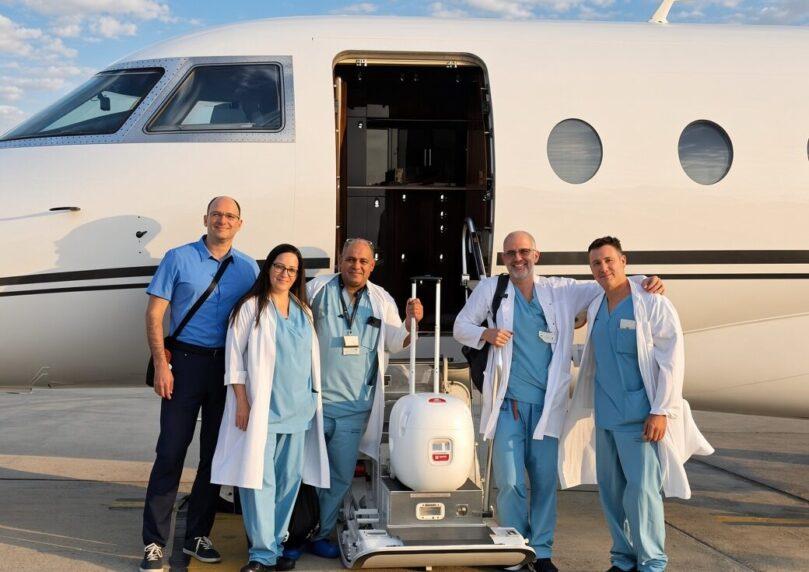

A single phone call to Israel’s National Transplant Center launched a complex medical and logistical operation that crossed borders and turned into a race against time. The heart of a young donor killed in a car accident in Cyprus was flown to Israel and successfully transplanted into a 45-year-old woman who had been waiting nearly two years for a heart transplant. The entire operation—from the moment the organ offer was received to completion of surgery—took just 26 hours.


 2+
2+The Call That Started the Race
At 10:30 a.m., two transplant coordinators from Cyprus, Christella and Andri, called Israel’s National Transplant Center. They reported that a heart was available from a young donor killed in a traffic accident and offered the organ for transplant in Israel.
From the moment the call came in, several systems kicked into action simultaneously: teams evaluated the heart’s suitability for transplant, began identifying the most appropriate candidate based on medical condition and body measurements, and started securing the necessary approvals to fly a medical team to Cyprus and bring the organ back to Israel. At the end of the process, a suitable candidate was found—a 45-year-old woman who had been waiting nearly two years for a new heart.
The Obstacle: No Suitable Plane Available
The operating room in Nicosia was scheduled for 3:00 a.m., and the Israeli team from Beilinson Hospital needed to be on site by 2:30 a.m. But a significant difficulty emerged: due to peak summer vacation season, those involved struggled to locate a suitable air ambulance. Two planes capable of performing the mission were not flight-ready. Eventually a larger plane was found, but using it required exceptional budget approval. Procurement officials at the Ministry of Health mobilized to secure the approvals, including employees who were on vacation. Meanwhile, the handling company Laufer managed flight arrangements, security, border control and transfers between countries, as well as transporting the team from Larnaca airport to the hospital in Nicosia. The customs broker Yerushalmi was also activated, since bringing an organ for transplant into Israel requires a customs clearance process.
 2+
2+Four Transplant Teams in the Operating Rooms
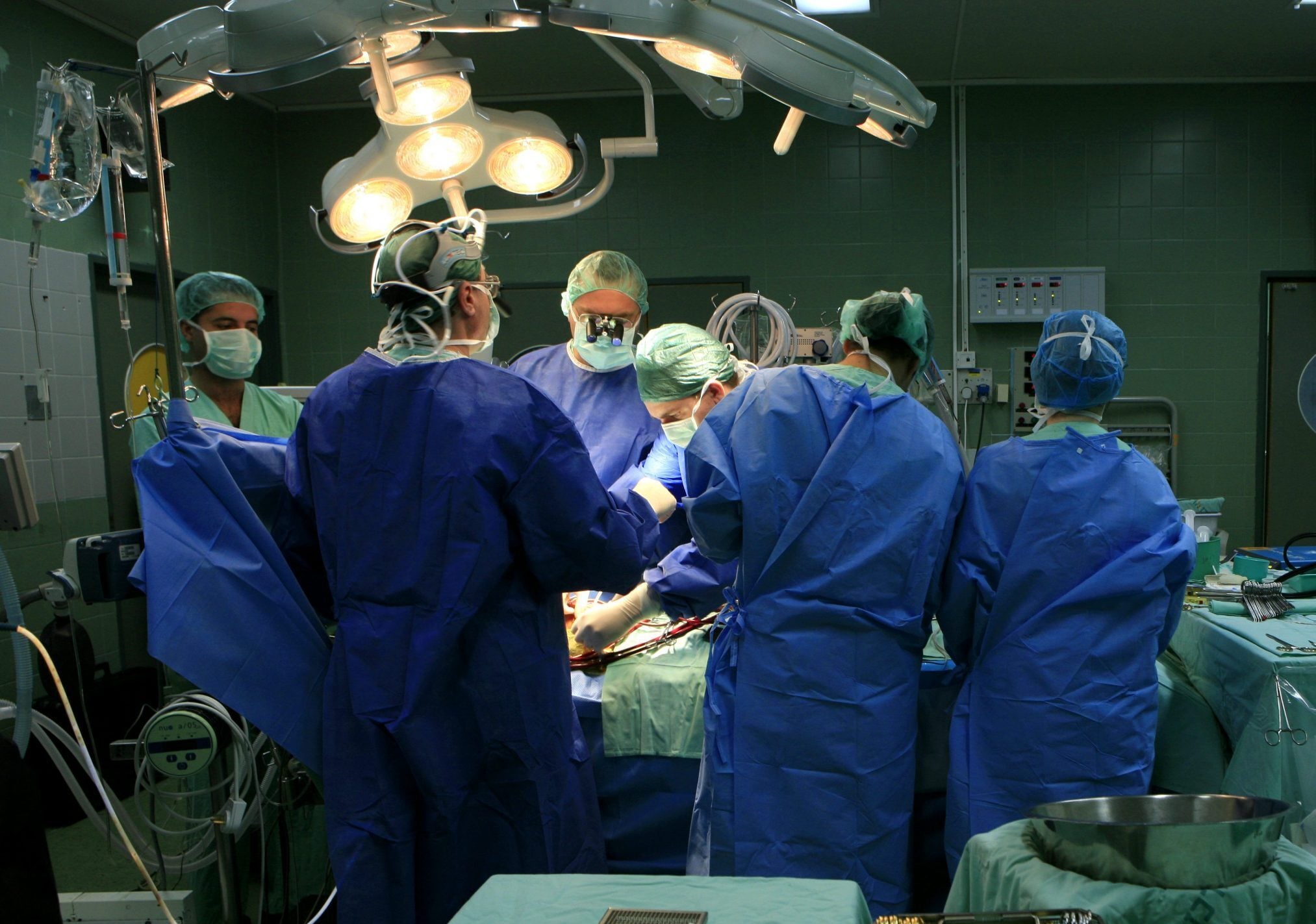
That night, four transplant teams worked simultaneously in Nicosia operating rooms: the heart team from Beilinson that came from Israel, lung and liver teams from Greece, and a kidney team from Cyprus.
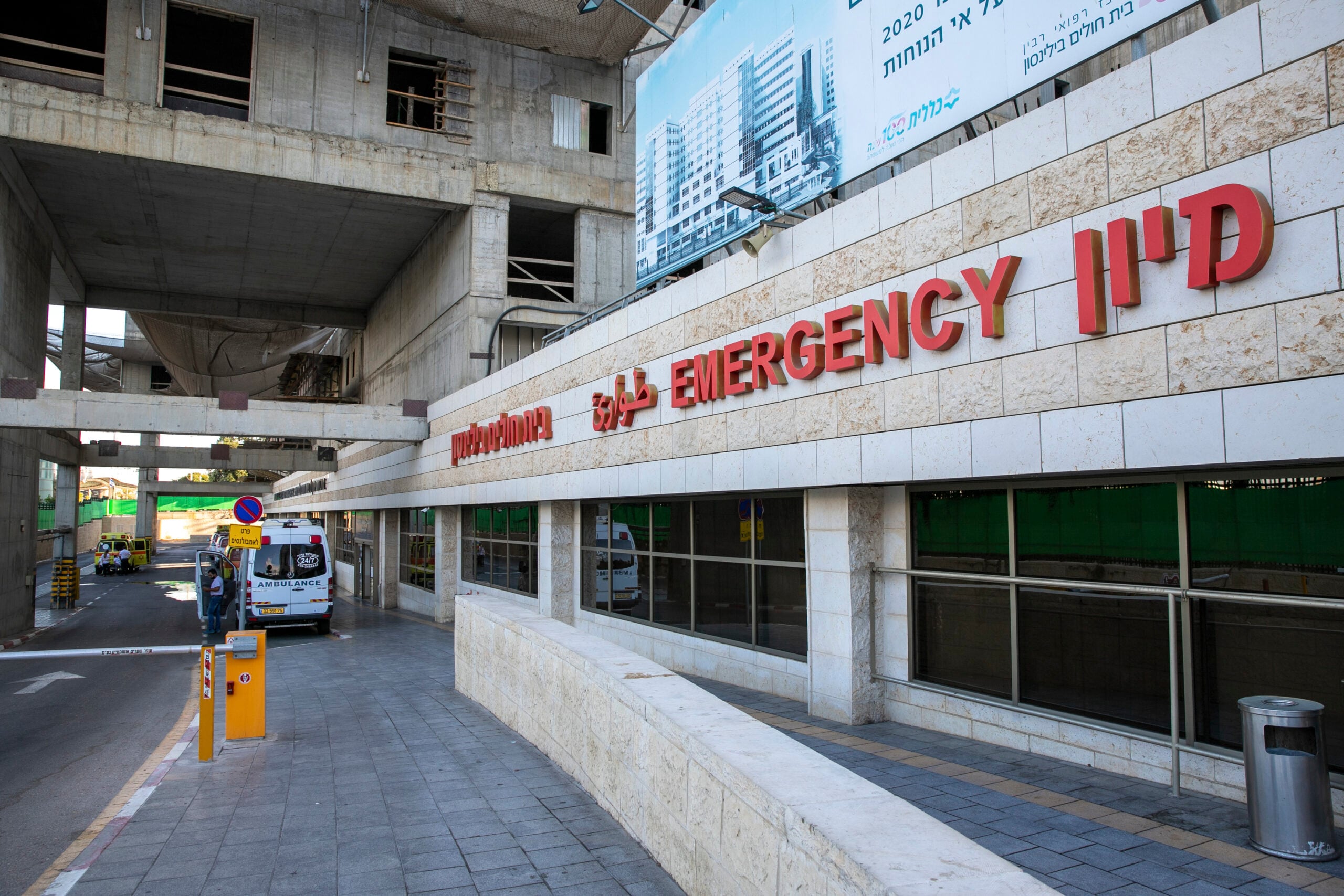
After the heart was retrieved, and to save precious time, teams in Cyprus arranged a helicopter that transferred the Israeli team directly from the hospital in Nicosia to Larnaca airport. At 7:40 a.m., the team landed in Israel. Less than an hour later, at 8:23 a.m., the heart arrived in the operating room at Beilinson. A few minutes before noon on Friday, the heart transplant was successfully completed.
“Every Hour Matters”
Cooperation between Israel and Cyprus in transplantation has been ongoing for years and rests on professional and personal relationships between the teams. Even during this operation, a longstanding custom was maintained: alongside medical equipment and coolers, the Israeli team brought cakes and treats for the Cypriot operating room staff. Shortly after the transplant was completed, a message was sent to colleagues in Cyprus: “The transplant was completed successfully. The heart is excellent. Thank you.”
 2+
2+Dr. Tamar Ashkenazi, director of the National Transplant Center, described the chain of actions required to complete the operation: “Behind a transplant like this stands a very long chain of people and decisions that must operate quickly and with precise coordination. From the moment we received the phone call from Cyprus it was clear that every hour mattered. Within a short time we had to make medical decisions, find a plane, obtain approvals, coordinate between hospitals, airports, customs and teams in both countries—and ensure every detail was closed. Twenty-six hours after that first call, the transplant was successfully completed.”