


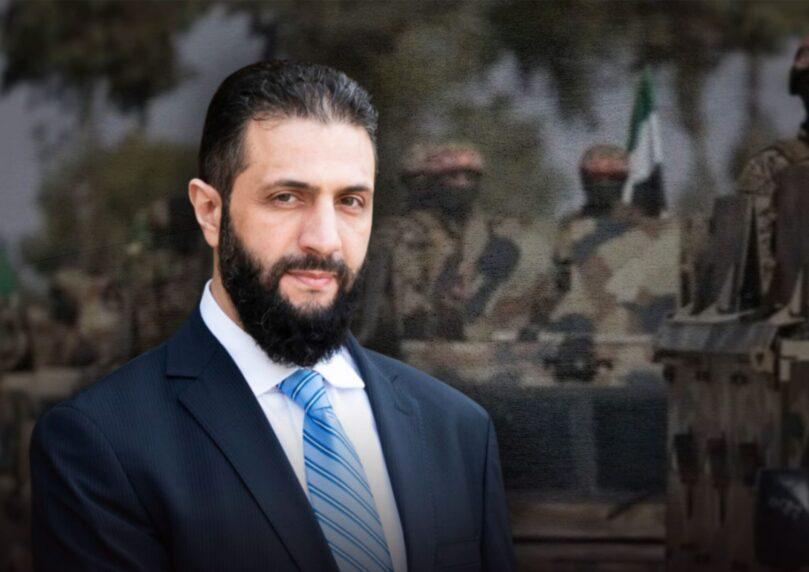

Since the fall of Bashar al-Assad’s regime in December 2024, relations between Iran and Syria have undergone a dramatic upheaval. What had been for over a decade a central axis in Iran’s “Axis of Resistance” or “Shiite Crescent”—with Syria serving as a vital land bridge for transferring weapons, forces, and support to Hezbollah in Lebanon—has turned into a hostile and troubled relationship.

 3+
3+The new government in Damascus, led by Abu Mohammed al-Jolani, has chosen a policy of active neutrality and repeatedly emphasized that Syria has no interest in becoming another regional conflict zone, and that its top priority is rebuilding the country after years of civil war. In public statements, including in March 2026, al-Jolani made clear that Syria will stay out of any conflict unless attacked by any party. However, against the backdrop of statements President Trump has floated in recent weeks about the possibility
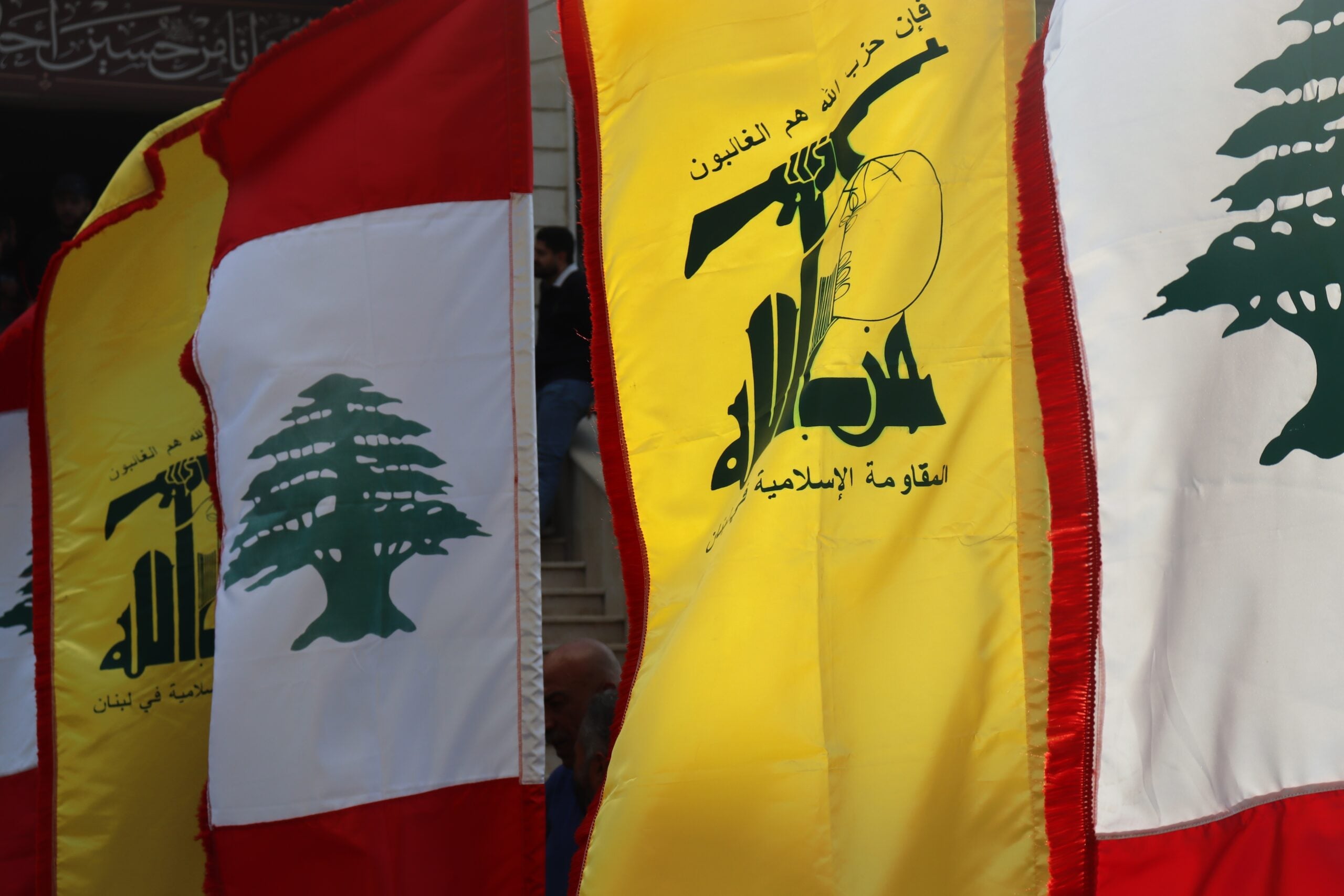
of Syrian forces entering Lebanon to strike Hezbollah’s missile and weapons infrastructure, Iran is presenting a firm and clear position: any such move will be considered a red line and will lead to a broad response.
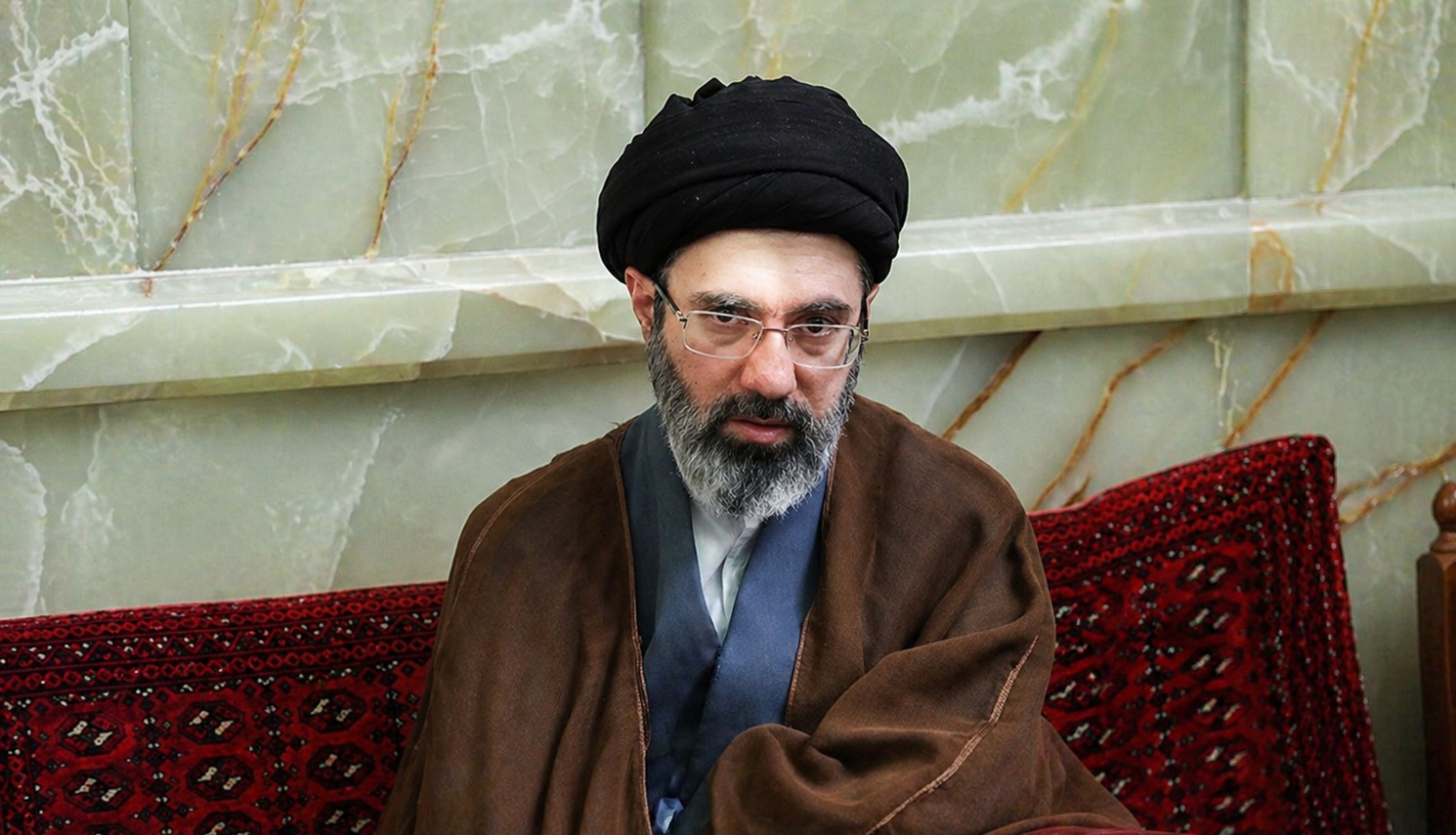
Sources close to Hezbollah report that Tehran recently conveyed an extremely harsh warning to Damascus through Turkish channels, which included a threat to strike more than 100 strategic targets in Syria with ballistic missiles, including the presidential palace in Damascus.
 3+
3+The Iranian threat also includes activating several fronts simultaneously, among them the Syrian-Iraqi border, the Homs area and the Alawite coast, alongside support for Kurdish movements in the Aleppo region. The message was conveyed not only to Damascus but also to Turkey, Saudi Arabia, Qatar, and Iraq, to make clear that the operation—if carried out—will not remain limited to the Bekaa Valley in Lebanon but will turn into a broad regional confrontation within Syrian and Lebanese territory.
Roots of Tension Lie in the Recent Past
Iran not only saved Assad’s rule in cooperation with Hezbollah, but invested tens of billions of dollars in building extensive military and logistical infrastructure on Syrian soil. After the regime’s fall, Tehran was forced to evacuate most of its forces, and the new government moved quickly to dismantle these infrastructures through arrests of cells linked to the Revolutionary Guards and Hezbollah, seizure of weapons stockpiles, and imposing restrictions on activities of organizations connected to Tehran.
 3+
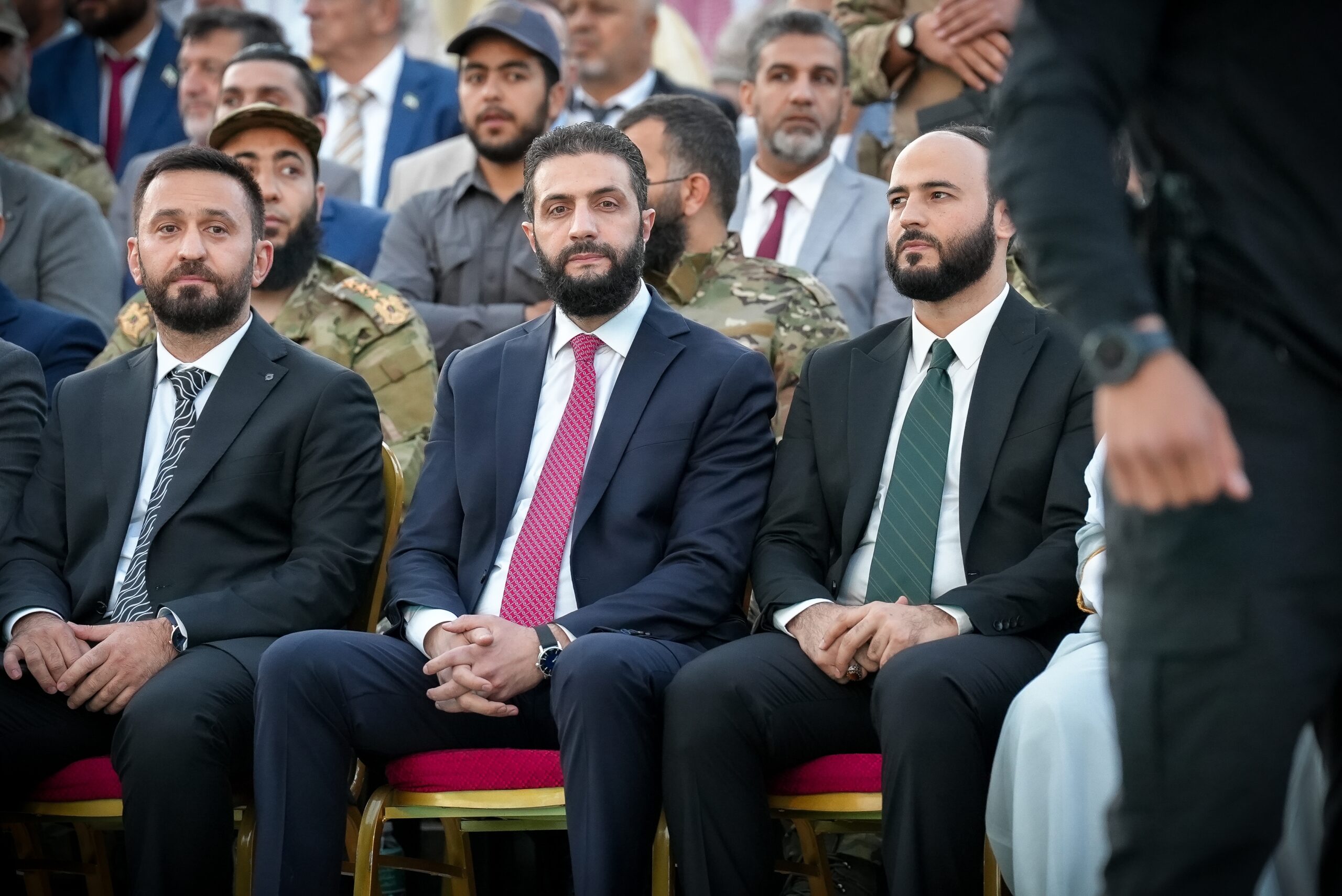
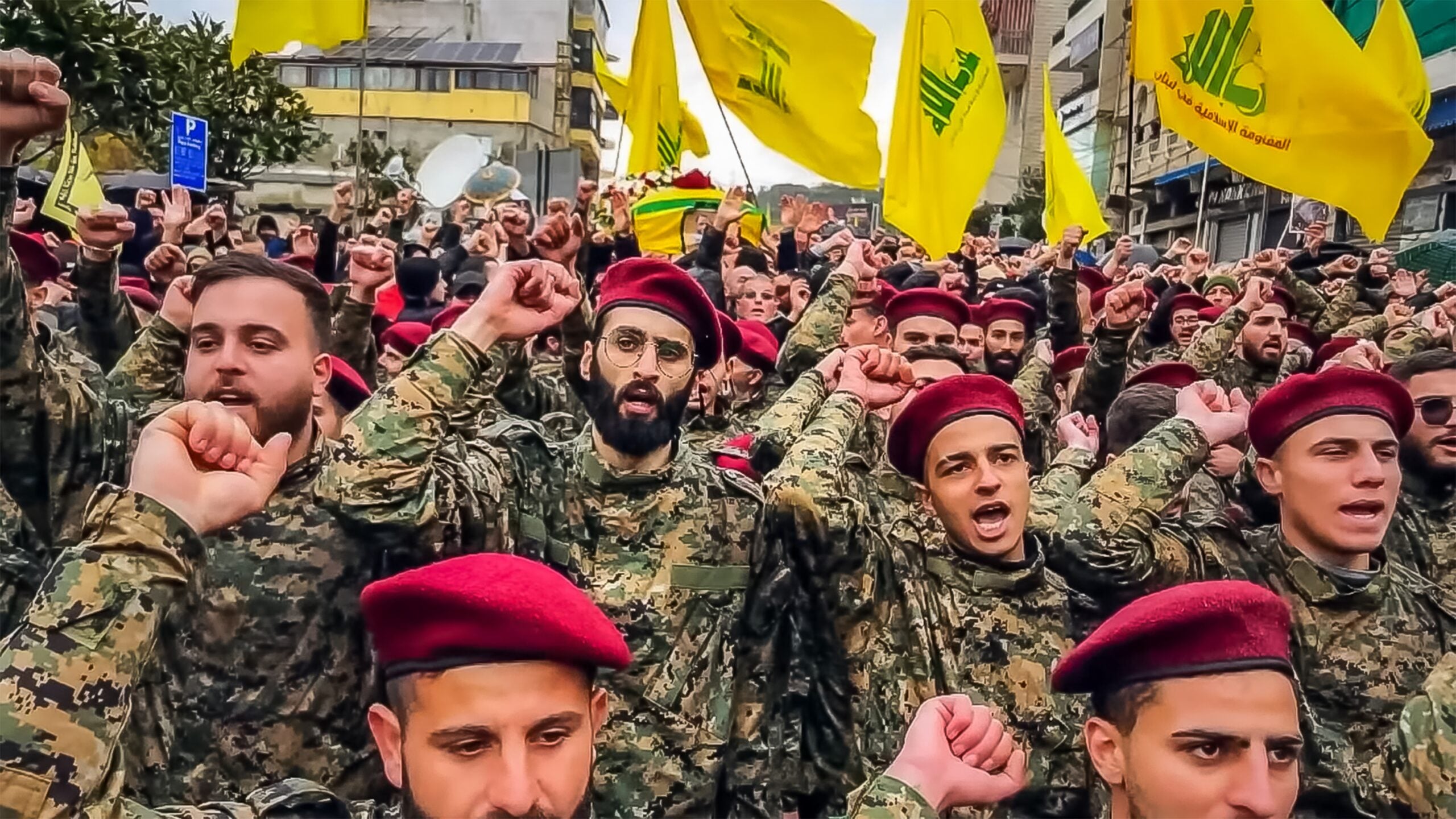
3+Today Iran continues trying to preserve its influence through covert networks and smuggling routes, while Syrian security forces conduct repeated raids against these cells. In July 2026, Iran carried out a strike in the al-Tanf area and claimed it hit an American command center, but experts saw it as a warning message to Damascus against the backdrop of discussions about Syrian involvement in restricting Hezbollah. Syria for its part has increased its forces’ presence on the borders with Iraq and Lebanon to prevent infiltrations by pro-Iranian militias, while advancing relations with Turkey, Arab states, and the West as an independent player focused on economic reconstruction. For Iran, Hezbollah remains a strategic asset and an absolute red line, especially after losing the land corridor in Syria.
 3+
3+Although Damascus has denied intentions to intervene militarily in Lebanon, the reports about the Iranian warning illustrate how much Hezbollah remains the main anchor of the “Axis of Resistance” against Israel. The tension between the countries is not a direct confrontation at the moment, but a quiet struggle over influence and supply routes, as the new Syria tries to break free from Iranian dependence while Tehran refuses to give up the remnants of its presence. Any further escalation could turn the cold relations into open and direct military confrontation.