




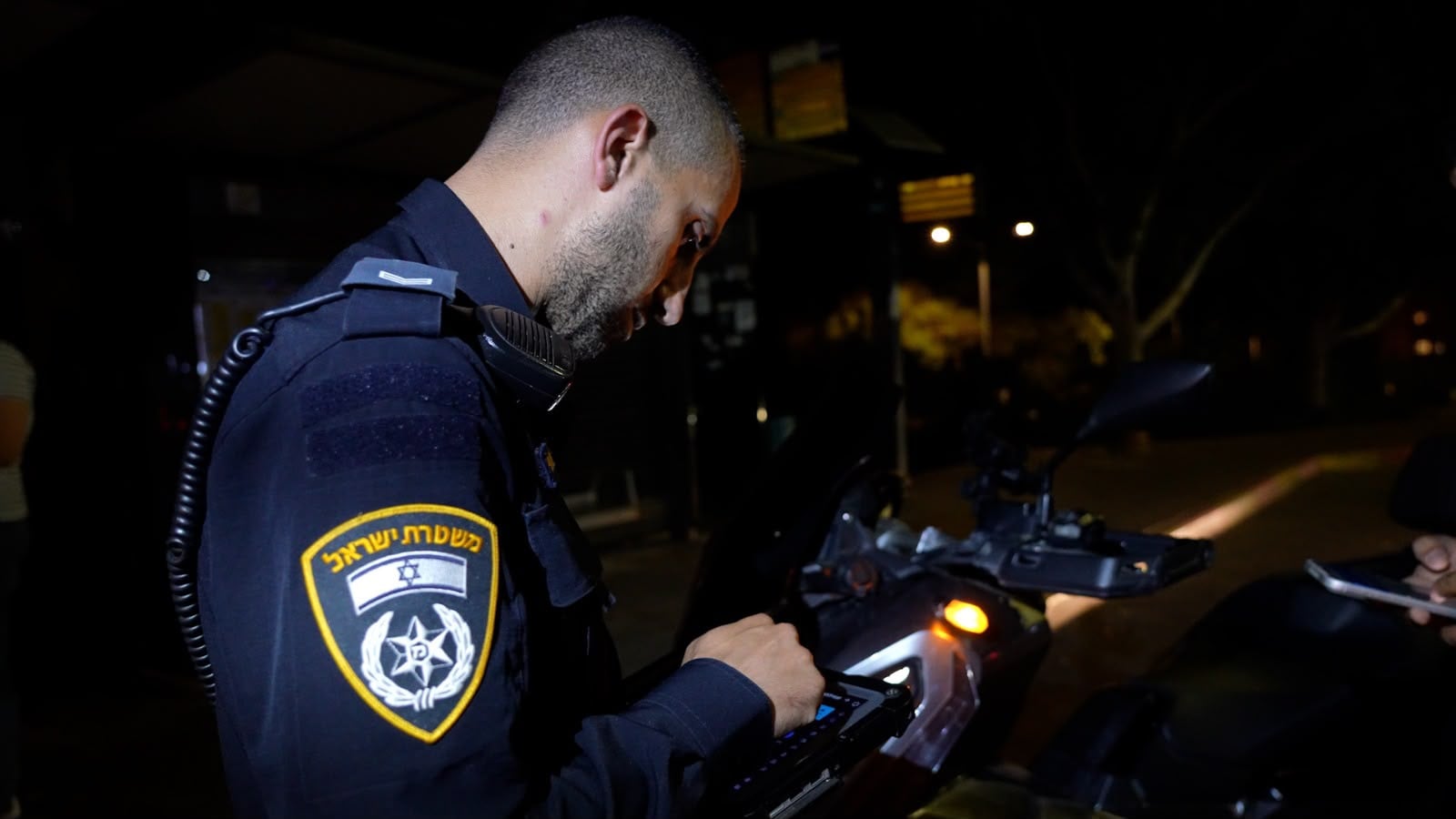
Defense Minister Israel Katz’s directive to transfer civil enforcement powers in Judea and Samaria from the IDF to the Israel Police was discussed in a discussion on the issue of Israelis in Area C only, outside theranchess – a new form of community that required a defensive and enforcement operational response that does not exist today. While the Minister’s statement focuses on the IDF’s focus on fighting terrorism and preventing friction between the army and civilians, an analysis of the implications on the ground shows that the move requires a profound change in the perception of governance in the region and in the legal status of Areas A and B.
The main implications
1) Changing the status of the area and legal regulation: In order to grant the Israel Police enforcement authority in Areas A and B, a change in the legal status of the area and the Oslo Accords is required.
2) Changing the status of the land in Areas A and B: Like what happened when the state repealed the Disengagement Law and similar to the models implemented in northern Samaria, the police will not be able to operate in these areas at all without appropriate regulation that would essentially turn Areas A and B into Area C in practice to allow the police to enter there without military escort and to be granted powers to handle civil and criminal matters
3) Rifting systems in the order of forces: Implementing the decision requires the allocation of extensive budgets, budgets, and resources to establish a force Dedicated police force – so far, the police have only worked routinely in cities and towns in Area C. As part of this, in my assessment, it is expected that there will be a need to transfer the Judea and Samaria Border Police from its operational subordination to the IDF to the direct command of the Israel Police.
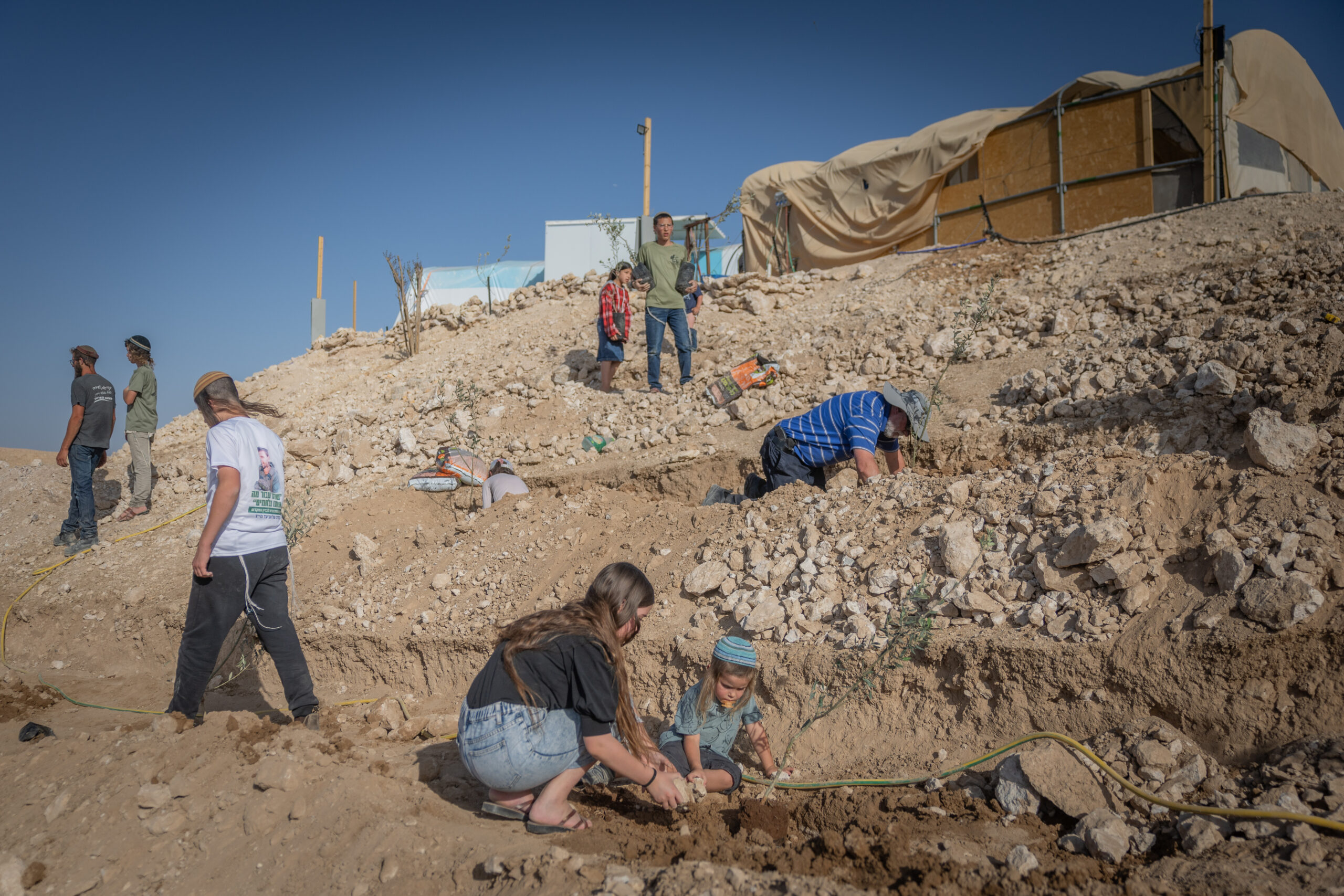
4) Response to new types of communities: The establishment of the police force is intended, among other things, to provide a dedicated enforcement and security response to the agricultural farms that have been established in recent years, which require a different operating concept than that of the old communities.
Geographical and security complexity in Areas A and B: In these areas, the security reality requires continued military involvement, with each police entry continuing to rely on IDF escort and security, as was reflected in recent enforcement incidents against the ‘Palestinian’ population.
Law enforcement officials in the region indicate that the change comes in the wake of recent events that are damaging the army’s image, as a senior officer in the Shi’ite district noted: “This is a move that is ultimately intended to incite criticism from the right and left on the issue from the army to the police.”