


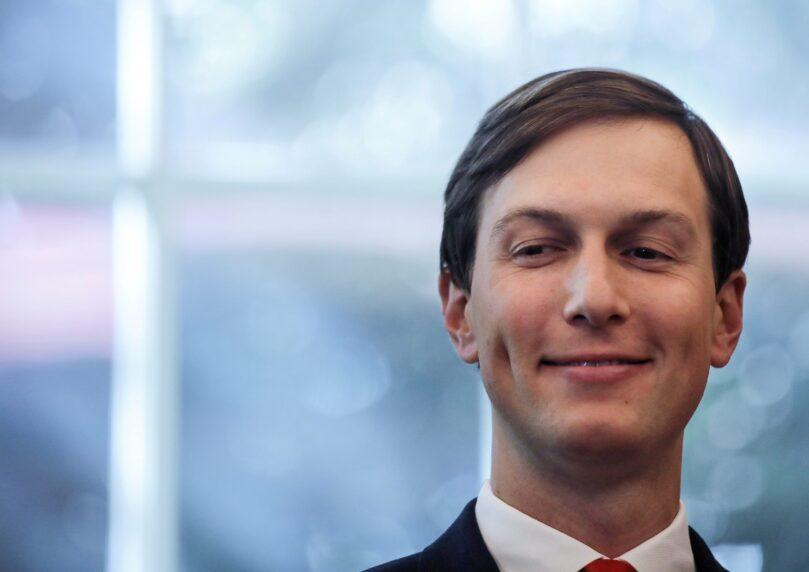

Jared Kushner, former President Donald Trump’s son-in-law and senior advisor who’s credited as one of the architects of the Abraham Accords, posted Thursday evening marking six years since the diplomatic initiative that transformed relations between Israel and Arab states in the region—and sent an optimistic message about the possibility of additional diplomatic breakthroughs.


 2+
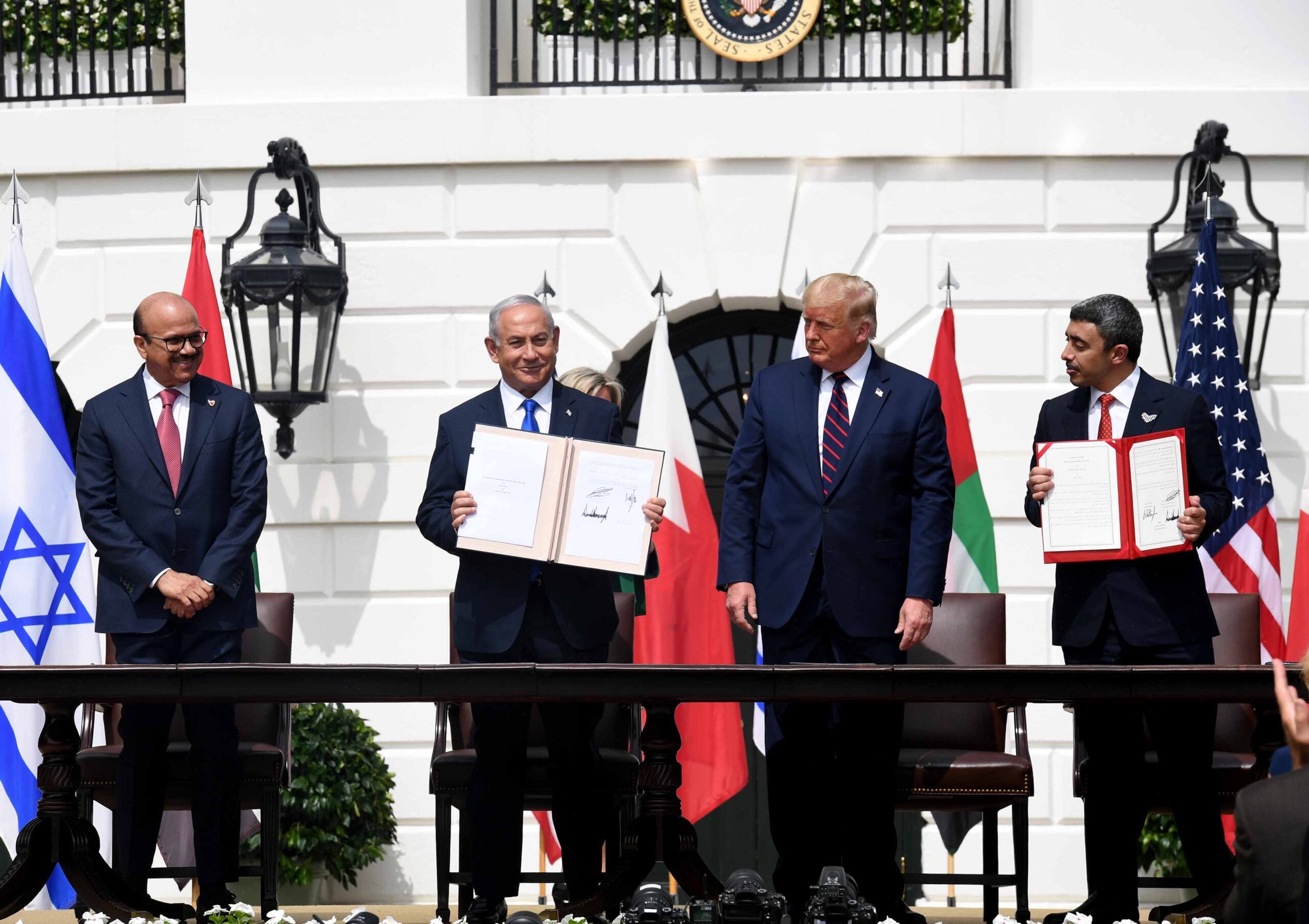
2+“Six years ago, President Trump launched the Abraham Accords, opening a new chapter of peace, partnership and prosperity in the Middle East,” Kushner wrote. “Many said it was impossible. But with bold leadership, persistence and a small group of people willing to challenge old assumptions, we proved that even what seems impossible can be achieved.”
Kushner criticized the diplomatic approaches that preceded the accords, arguing that for years the region had been “trapped in outdated thinking and failed frameworks” that managed conflicts rather than resolving them and, at times, created incentives that perpetuated division and instability.
 2+
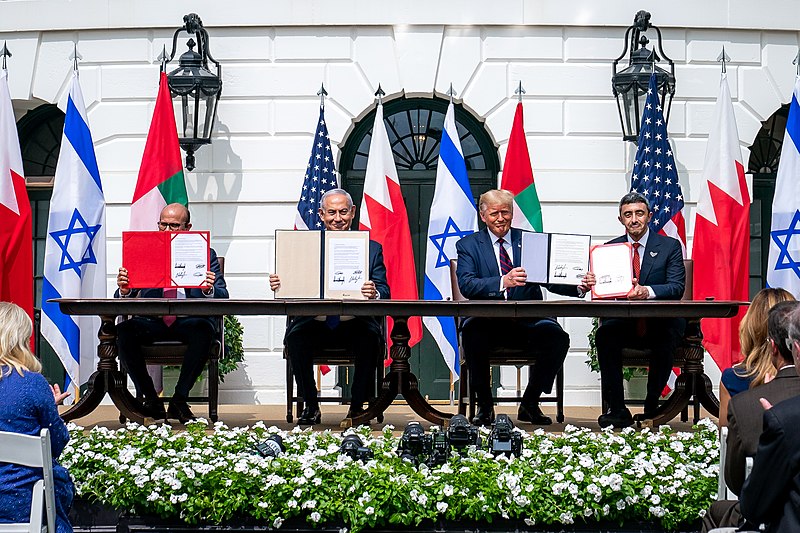
2+According to Kushner, the principle underlying the Abraham Accords was a shift away from focusing on disagreements and toward building shared interests. “Instead of reinforcing the things that divide people, build connections that bring them closer together,” he wrote, pointing to expanded trade and investment, deeper security cooperation and greater understanding between the sides.
Kushner noted that the vision presented six years ago has already produced billions of dollars in trade, shared innovation, new friendships and partnerships—and offered what he described as “a powerful alternative to the failed approaches of the past.”
 2+
2+But the most intriguing part of Kushner’s message concerned what could come next. Kushner argued that the Middle East is once again at a turning point, hinting at the possibility of significant new diplomatic developments across the region. “Today, there are opportunities for breakthroughs that many will say are impossible,” he wrote. “But we have already seen what can happen when leaders reject conventional thinking, focus on shared interests and find the courage to act for a better future.”
According to Kushner, there is now an opportunity to expand the Abraham Accords model and build “an even broader movement” based on cooperation, shared prosperity and security.
He concluded with a message likely to draw attention amid ongoing efforts to expand the circle of normalization across the Middle East: “We surprised the world once. With the right leadership, focus, patience and courage, I believe we can do it again.”