


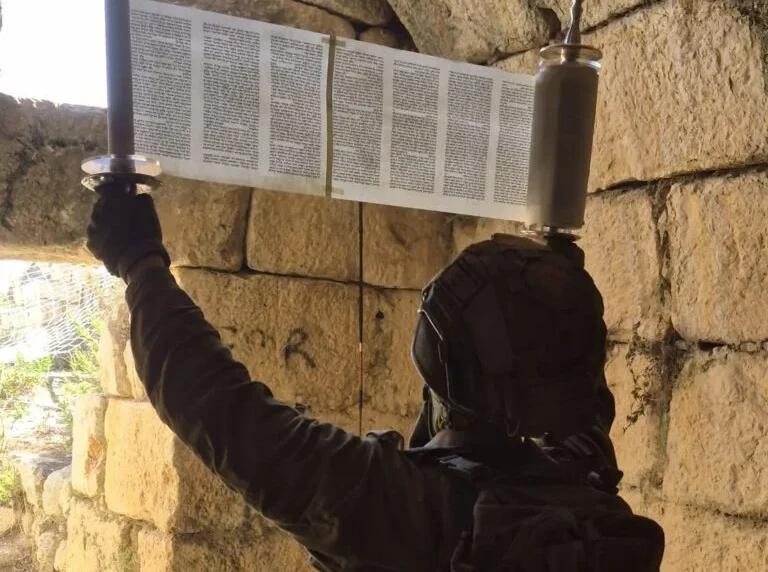

More than 40 years have passed since that night in June 1982, when Golani reconnaissance soldiers stormed Beaufort Fortress in a battle etched into Israel’s history. Recently, a remarkable circle of generations was closed there: a Torah scroll written in memory of 14 of their friends and commanders who fell over the years was brought to the fortress in Lebanon, where today’s heroic soldiers read from it in an emotional ceremony.


 3+
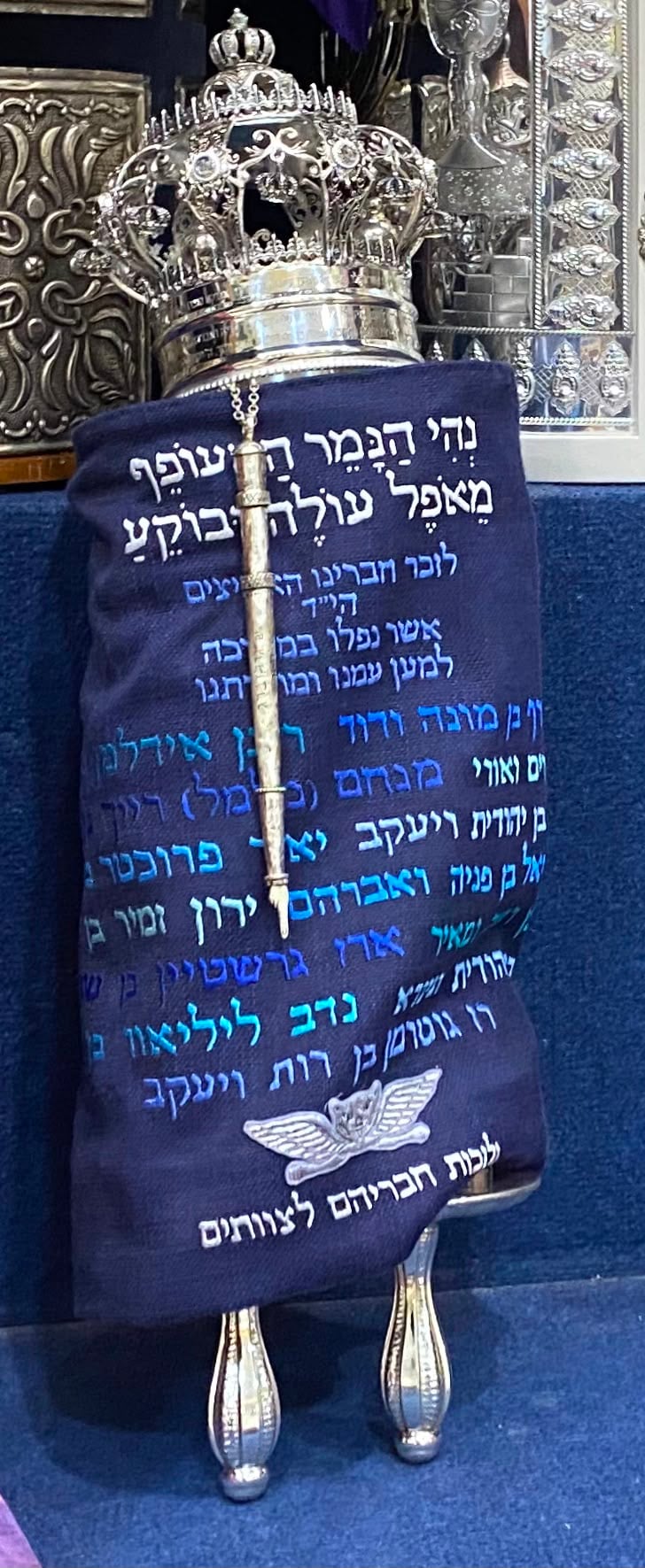
3+Behind the initiative is Menachem Goldberg, a resident of Hoshaya who personally knew all of the fallen heroes commemorated on the Torah scroll. About six years ago, the Torah was dedicated in the community in memory of his friends and commanders—members of Golani teams who enlisted in the late 1970s and early 1980s. The idea of bringing the Torah specifically to Beaufort came from Goldberg’s son, who also served in the same unit.
“My son called me and said, ‘Dad, I think it would be beautiful if they brought the Torah up to Beaufort and read from it there,’” Goldberg recalled. “I started thinking about it and said, if it will do something good for someone, why not?” Approval from the Military Rabbinate soon followed.
 3+
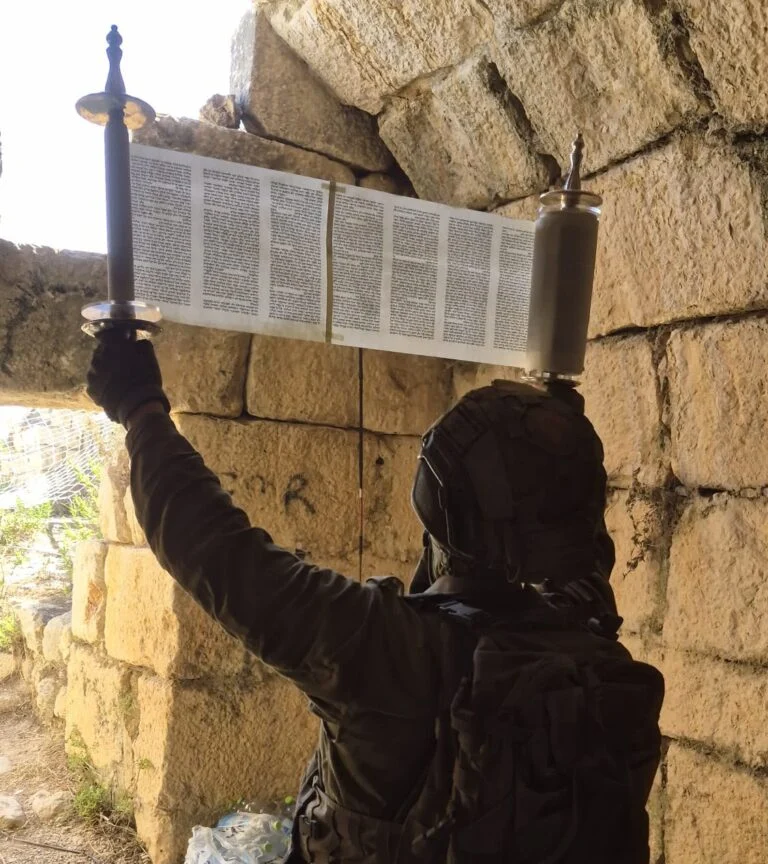
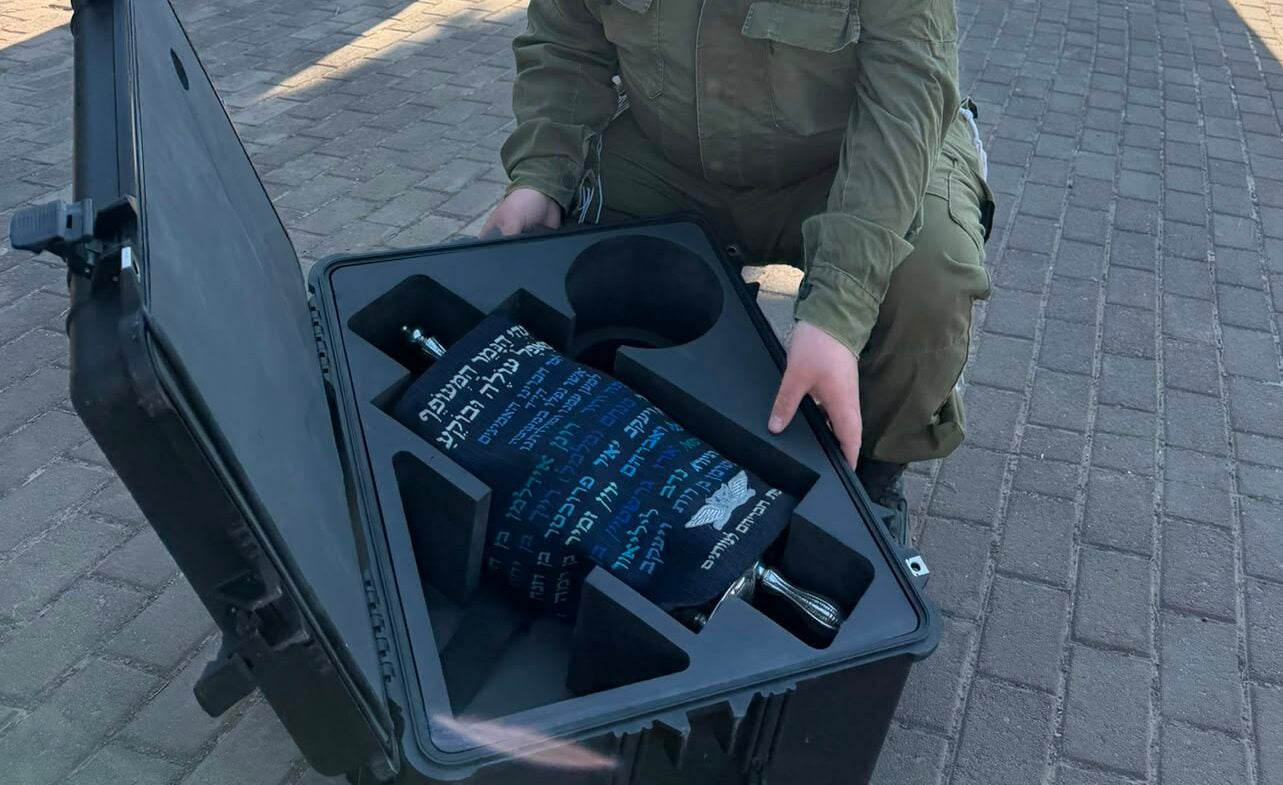
3+Earlier this week, in the morning hours, the Torah from Hoshaya was brought north and carried across the border into Lebanon. Atop the fortress, beneath the open sky and at the site where their comrades’ blood was shed, an emotional Torah reading took place.
Gathered around the scroll were young Golani soldiers, just 20 years old, listening reverently to the story of the historic battle and the names inscribed on its mantle.
“I understood there was tremendous emotion there,” Goldberg said, describing the extraordinary scene. “To see young soldiers connecting to the names of people who fell 40 years ago—it is not something to take for granted. That connection, to the Torah scroll, to the names, to the fortress itself, simply spoke to them. They asked to be called up to the Torah and to be part of that moment.”
 3+
3+For the friends in Hoshaya, commemorating the 14 has become a lifelong mission. “These are people who are so deeply missed in Israeli society. When we take out the Torah scroll on Shabbat, I always stop and wonder which one of them I should kiss on the mantle this time,” Goldberg said emotionally. “It accompanies us in our daily lives—a tremendous sorrow alongside an enormous privilege to commemorate them through something timeless.”
When the Torah returned to its home in the Galilee, it carried with it a living reminder from the battlefield. “It came back late at night, its case filled with Lebanese dust,” Goldberg said with a bittersweet smile. “I felt there was a closing of the circle here that we had been waiting for.”
 3+
3+The journey to Beaufort also carried a timeless message. At a time of divisions and tensions within Israeli society, Goldberg sought to remind Israelis of what unites them.
“We fought there in Lebanon then, and we are fighting there now,” he said. “When you fight, nobody asks which party you vote for or what kind of kippah you wear. We all fight together.” That unity, he said, is the legacy left behind by his friends.
“We need to get through our disagreements with love. Every mention of a fallen soldier reminds us that we are not living here for nothing. There are those who paid with their blood so that we can continue living here, and we must be worthy of that price. If we are not dependent on one another, we will be hanging beside one another.”
Now, as the Torah scroll rests once again inside the Holy Ark in Hoshaya, its Lebanese dust may have been wiped away—but the spirit of the soldiers of Beaufort, those who came before and those who stand guard today, continues to live between its sacred letters.