


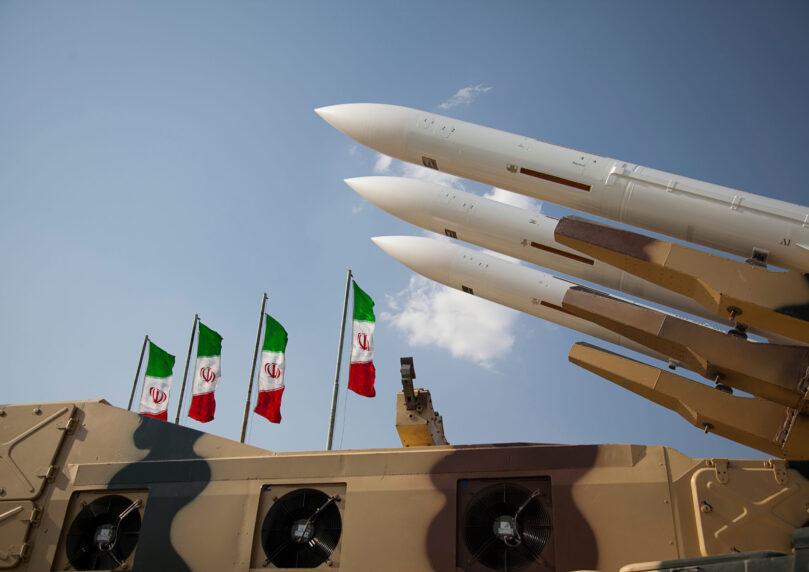

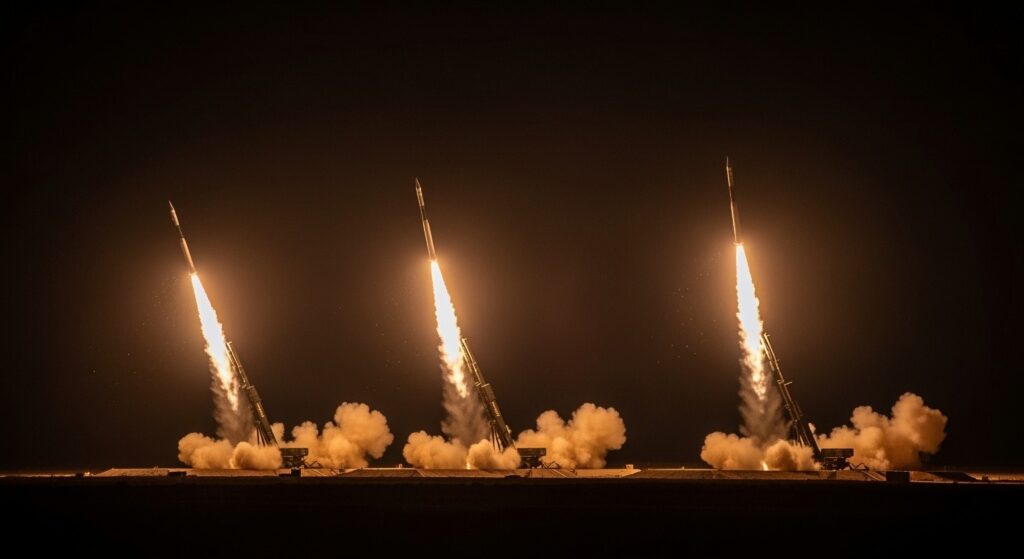
Iran claimed Wednesday that most of its missile and drone capabilities survived the strikes carried out by the United States and Israel and remain ready for use, presenting a dramatically different picture of its remaining military strength than the Trump administration.
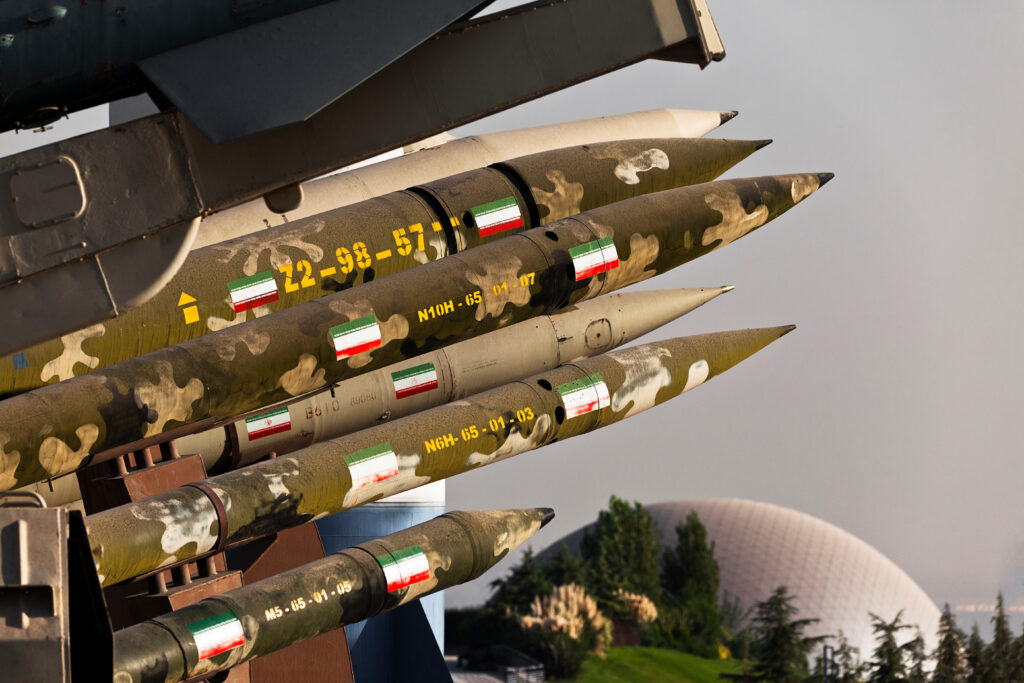
Brig. Gen. Alireza Sheikh, the Iranian Army’s deputy commander for executive affairs, told Iran’s state-run IRNA news agency that the American and Israeli strikes were far less effective than Washington has claimed. “More than 75% of Iran’s missile and drone capabilities remain intact and ready,” Sheikh claimed, adding that Iran’s drone fleet has become “the enemy’s nightmare.”

 6+
6+His assertion directly contradicts President Donald Trump’s assessment of Iran’s condition following the strikes. While Tehran claims more than three-quarters of its combined missile and drone capabilities remain operational, Trump said last month that American estimates indicate Iran has only a fraction of its previous missile stockpile remaining.
In a July interview with NBC News, Trump said the United States knows where Iran’s drones and the factories producing them are located. “We know where their drones are, and we know where their drone factories are,” Trump said. “Most of the drone factories were destroyed … and most of the missile production areas were destroyed.”
Trump acknowledged that Iran still possesses missiles and drones but estimated that only around 21%-22% of its missile stockpile remains. “They have some missiles. They have some drones,” Trump said. “Maybe 21%, 22% of their missiles.”
 6+
6+The gulf between the two accounts is enormous: Tehran says more than 75% of its missile and drone capabilities remain intact and ready, while Trump estimates that just over one-fifth of Iran’s missile stockpile remains.
The two figures, however, do not measure precisely the same thing. The Iranian official referred collectively to missile and drone capabilities, while Trump’s 21%-22% figure explicitly referred to Iran’s missile stockpile. No independent assessment cited in the report establishes which estimate more accurately reflects conditions on the ground. There is, however, another indication that may shed light on the damage inflicted on Iran’s capabilities.
 6+
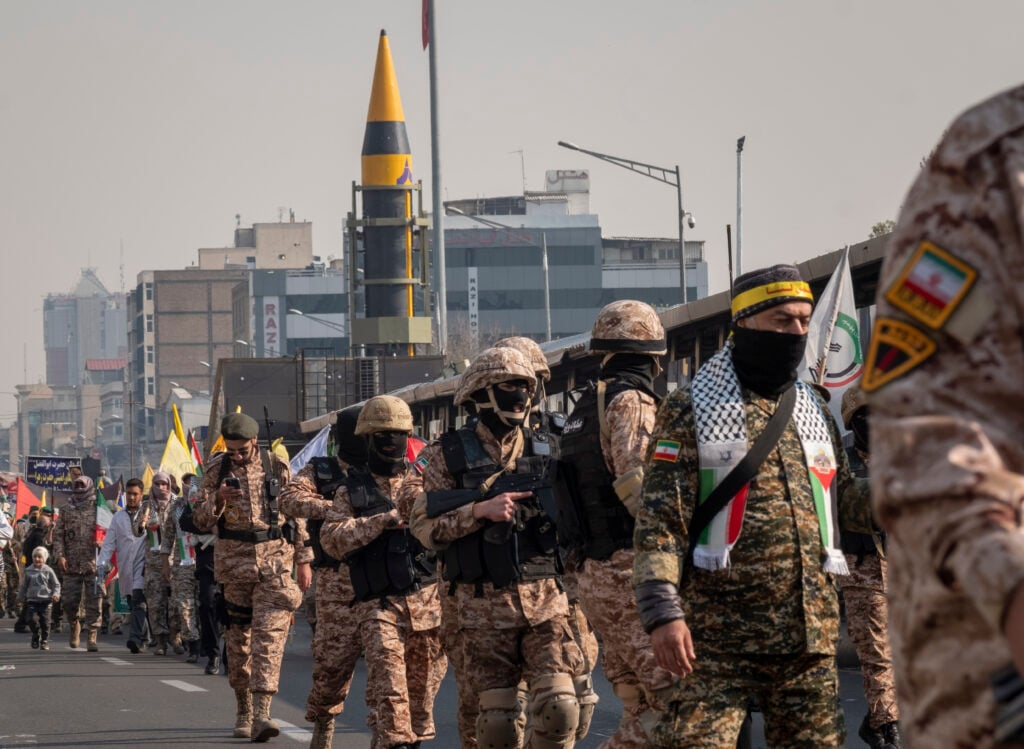
6+The number of missiles launched by Iran fell sharply during the first weeks of the conflict. That dramatic decline could indicate that American and Israeli forces successfully damaged Iranian missile sites and Tehran’s ability to sustain launches at its previous rate.
The decline alone cannot establish how many missiles or drones Iran actually has left, but it points to a significant change in Iran’s ability—or willingness—to maintain its previous tempo of attacks.
The battle over the numbers matters because it cuts to one of the central questions of the war: just how severely have Israel and the United States degraded Iran’s ability to continue fighting with missiles and drones?
 6+
6+For Tehran, the claim that more than 75% remains operational is intended to project resilience: Iran has been hit, but its arsenal remains dangerous.
Washington’s message is precisely the opposite. According to Trump, much of Iran’s production infrastructure has been destroyed, most of its drone factories and missile-production areas have been hit, and its remaining missile stockpile has been reduced to roughly one-fifth of its previous size.
The difference is far too large to dismiss as a minor disagreement over numbers.
If Tehran’s version is close to reality, Iran retains much of its strike capability and could continue using it in a prolonged confrontation. If Washington’s assessment is more accurate, Iran’s arsenal has suffered devastating losses and its ability to sustain a war of attrition has been dramatically reduced.
 6+
6+But Iran’s claims about its surviving arsenal are not the only threatening messages now emerging from Tehran.
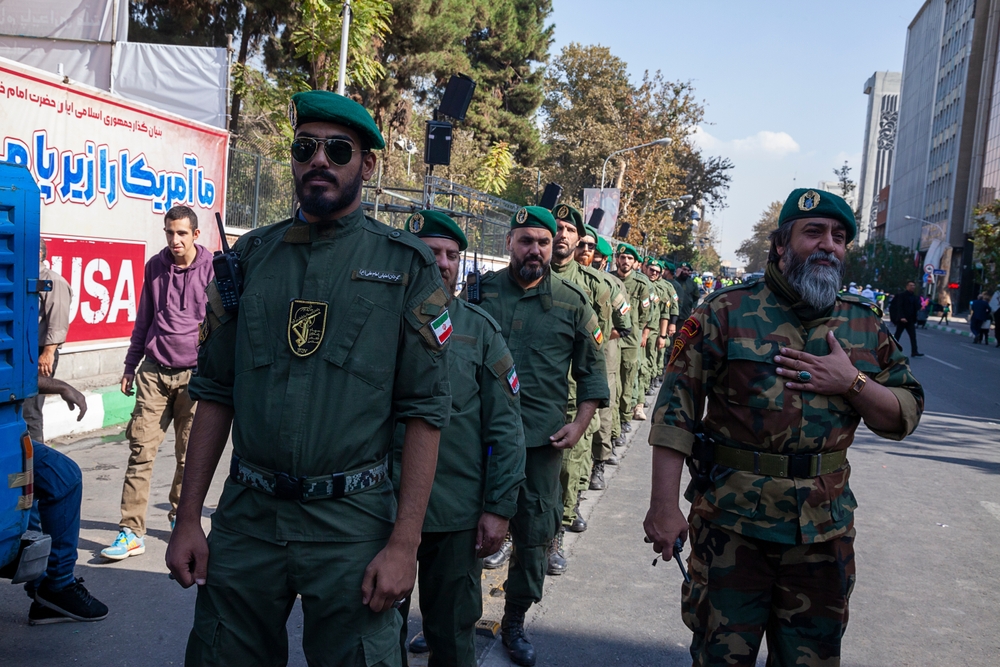
Another senior IRGC official has openly raised the possibility of deliberately dragging out the confrontation with the United States until Trump leaves the White House. Mohammad Reza Naqdi, senior adviser to the IRGC commander, told PBS that one option available to Iran is prolonging the war through the end of Trump’s presidency, seeking to create deterrence through attrition and convince future adversaries that attacking Iran carries an unbearable price.
“We need to achieve deterrence so that the enemy will never dare attack us, so that we can live in security,” Naqdi said. “One way is to prolong the war until we reach the next presidential term and cause attrition, so that if someone else wants to attack Iran, they will know there is a price.”
 6+
6+Naqdi went further, claiming that the United States has already failed to achieve its principal objectives in the war. “Certainly, victory is on our side, following the defeat of America’s two main objectives—the overthrow of the leadership and the disintegration of Iran,” he claimed. He accused Washington of fighting without a coherent strategy, saying: “We saw confusion and bewilderment in America. It became a war without a strategy. Every two or three days, they announced a new objective.”
Naqdi also claimed that the United States had discussed invading Kharg Island and sought to reopen the Strait of Hormuz by deploying warships to the area. “Everything they tried, we can show how we defeated,” he claimed.
The messages from Tehran come as Trump paints an almost diametrically opposed picture of Iran’s military and economic condition. Trump has claimed that the United States now exercises complete control over the Strait of Hormuz and intends to maintain it. In a Truth Social post, he said the American naval blockade, dubbed the “Steel Wall,” has left Iran powerless to respond.
 6+
6+According to Trump, Iran no longer possesses an effective navy or air force, its remaining soldiers are going unpaid, the IRGC has been severely damaged and its personnel are fleeing, while the regime’s leadership faces growing uncertainty.
Trump also claimed Iran has run out of money and is suffering inflation approaching 300%, dismissing Tehran as a country left with little more than “fake news” and “all talk, no action.”
Once the self-proclaimed “bully of the Middle East,” Trump argued, Iran is no longer capable of playing that role. He ended his message with three words: “Praise be Allah!”
For now, Tehran and Washington are presenting two almost irreconcilable versions of Iran’s remaining power. But arsenals are ultimately measured on the battlefield, not in boasts—and if the confrontation continues, it may not be long before the world discovers which side’s numbers were closer to reality.