


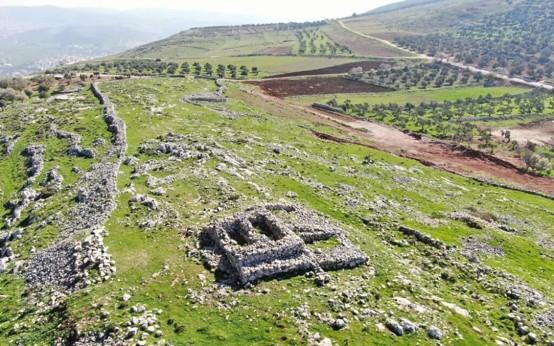

Mount Ebal is the kind of site where a single biblical verse can turn into a decades-long archaeological question. According to the Book of Joshua, after entering the land, Joshua builds an altar on Mount Ebal. The event is presented as part of a significant transformation: a people who lived forty years as nomads now had to become a society of permanent settlements, families, agriculture, property, and institutions. Along with homes and land, they needed to build a shared identity. Within this process, the altar on Mount Ebal takes on broader meaning. It marks an attempt to preserve unity of worship and faith precisely when the tribes were scattering across the land and being exposed to the local cultic centers of the Canaanite peoples.

 2+
2+Then came archaeology
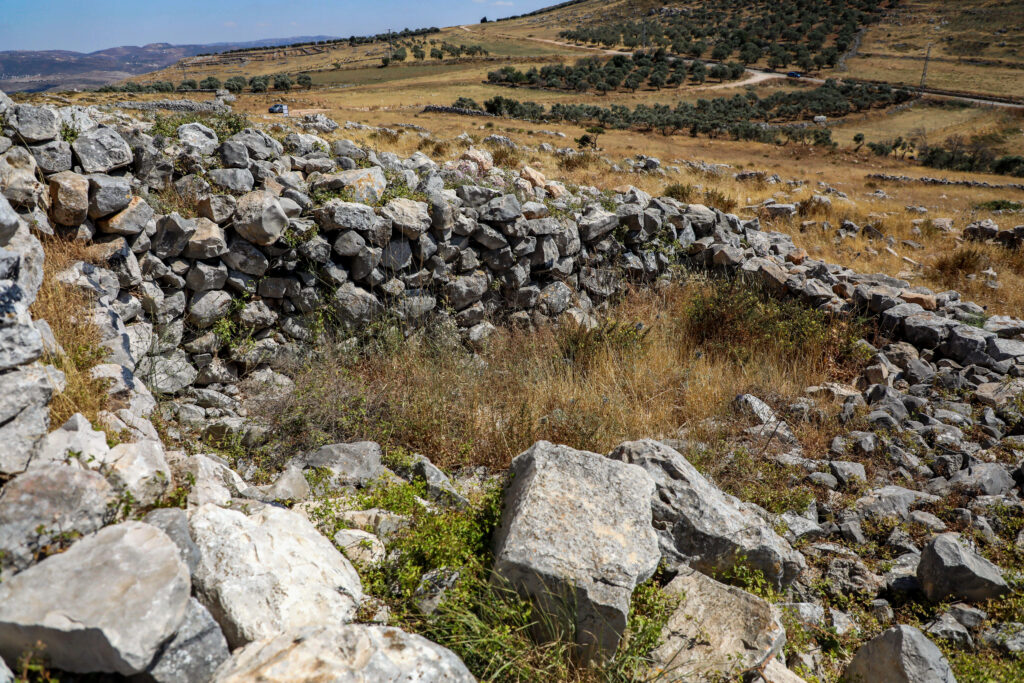
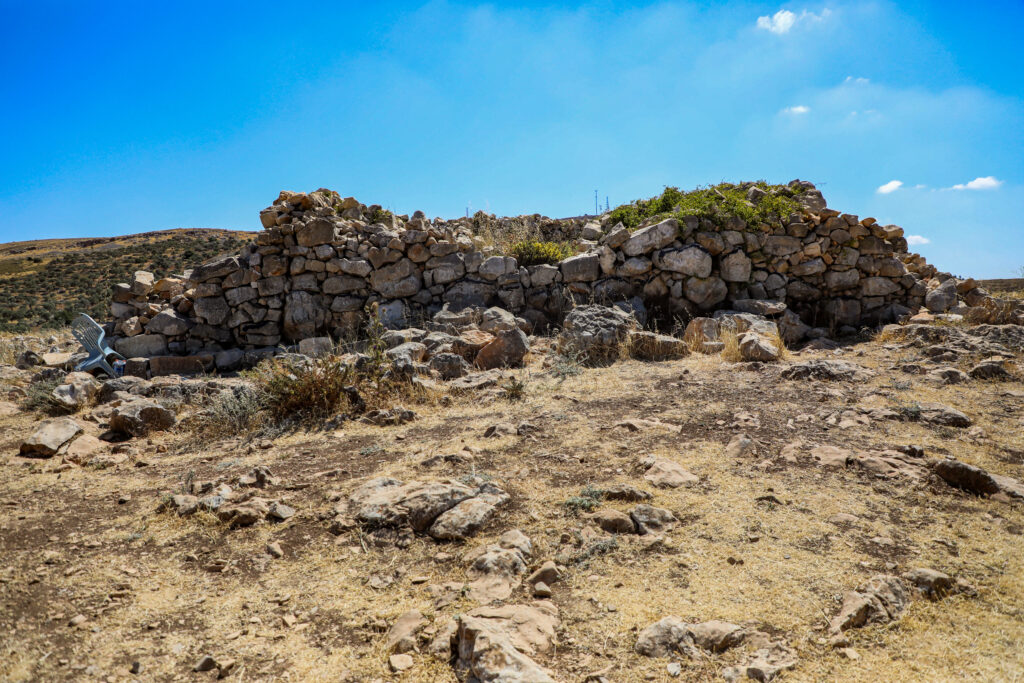
Between 1982 and 1989, as part of the Manasseh Hill Country Survey, Professor Adam Zertal uncovered a stone structure with a ramp on the northeastern slope of Mount Ebal, containing remains of ash and bones. Zertal dated the site to the last quarter of the 13th century BCE and identified it with the altar described in the Book of Joshua. The structure was built from whole stones not worked with iron. At the site were found pottery vessels, cultic remains, and bones of kosher animals, including sheep, cattle, and donkey, while pig bones were absent from the finds. Additional discoveries, including scarabs and genizah pits, reinforced the understanding that this was a site with a cultic character. But Zertal’s identification sparked a controversy that continues to this day. Scholars who opposed the identification pointed to features that they claimed don’t align with known biblical altars, including the structure’s shape, the orientation of its corners, and the fact that roughly 70% of the ceramic finds at the site consisted of jugs used for daily life rather than cultic vessels. Most scholars agree that this is a cultic site from the early Iron Age or late Bronze Age. The question that remains open is whether it can be definitively identified with the biblical altar of Joshua.
 2+
2+It’s precisely this uncertainty that makes Mount Ebal a place that illustrates well the concept underlying the “Derech Eretz Moreshet” (Land Heritage Path) initiative. The initiative is advancing a program totaling approximately ₪113 million at more than 70 sites, based on the understanding that an archaeological site doesn’t end the day the excavation finishes. It requires preservation, protection, ongoing research, and especially accessibility that will allow the public to encounter the finds in the place where they were discovered. At Mount Ebal, this importance is particularly acute: even when scholars are divided on whether the uncovered structure is indeed the biblical altar of Joshua, there is broader agreement about its cultic nature and its importance for understanding the beginning of the settlement period.
Heritage Minister Amichai Eliyahu explains: “Mount Ebal is the kind of site that illustrates the power of the connection between the Bible, archaeology, and the landscape of the Land of Israel. Within the framework of the ‘Derech Eretz Moreshet’ initiative, we seek to ensure that places like these won’t remain the province of scholars alone, but will be accessible to the public.” According to him, “The questions that Mount Ebal raises are part of our heritage no less than the answers, and therefore our duty is to preserve the site and enable future generations to continue investigating it.”
 2+
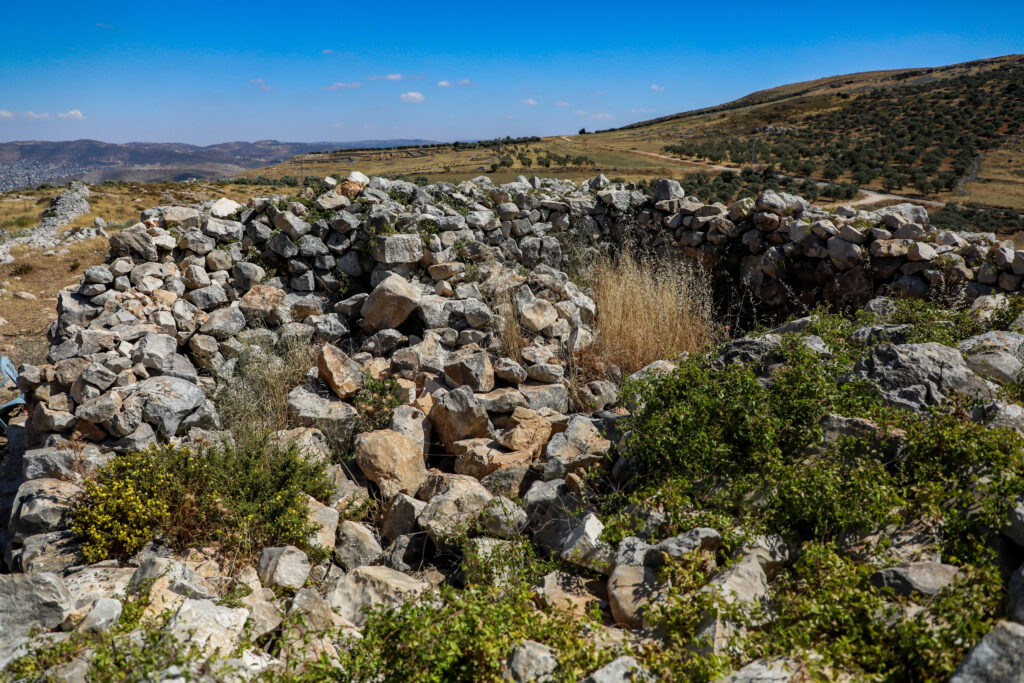
2+You don’t have to arrive at the site to get a ready-made answer. You can come to encounter the question itself: to stand beside the stones, to read the biblical text, to see what archaeology found, and to understand how research, tradition, and landscape meet—and sometimes even argue.