


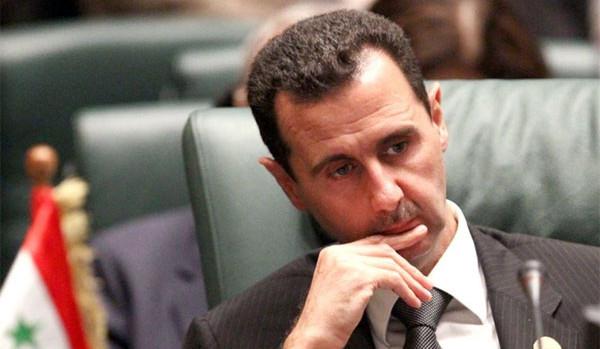

The Damascus Criminal Court issued historic verdicts on Tuesday as part of legal proceedings against war criminals of the former regime.
Presiding Judge Fakhr al-Din al-Aryan sentenced former Syrian President Bashar al-Assad to death in absentia for crimes against humanity, torture, and arbitrary detention.
According to the ruling, Assad was designated as the supreme authority who weaponized state institutions to execute these atrocities, which are classified as war crimes.
Death sentences were also handed down to Maher al-Assad, Bashar’s brother, for premeditated murder, torture, and incitement, as well as Atef Najib, Assad’s cousin and former head of the Political Security Branch in Daraa, who appeared in court in custody.
Najib was convicted of premeditated murder, torture, and crimes against humanity, specifically linked to the violent crackdown on early demonstrations in Daraa in 2011
.In addition, six other defendants were sentenced in absentia: Fahd Jassim al-Freij (former Defense Minister), Muhammad Ayman Ayash, Louay Ali al-Ali, Qusay Ibrahim Mahyoub, Wafiq Saleh Nasser, and Talal Faris al-Assimi—all convicted of premeditated murder and torture that resulted in the deaths of thousands of innocent Syrian citizens.
 2+
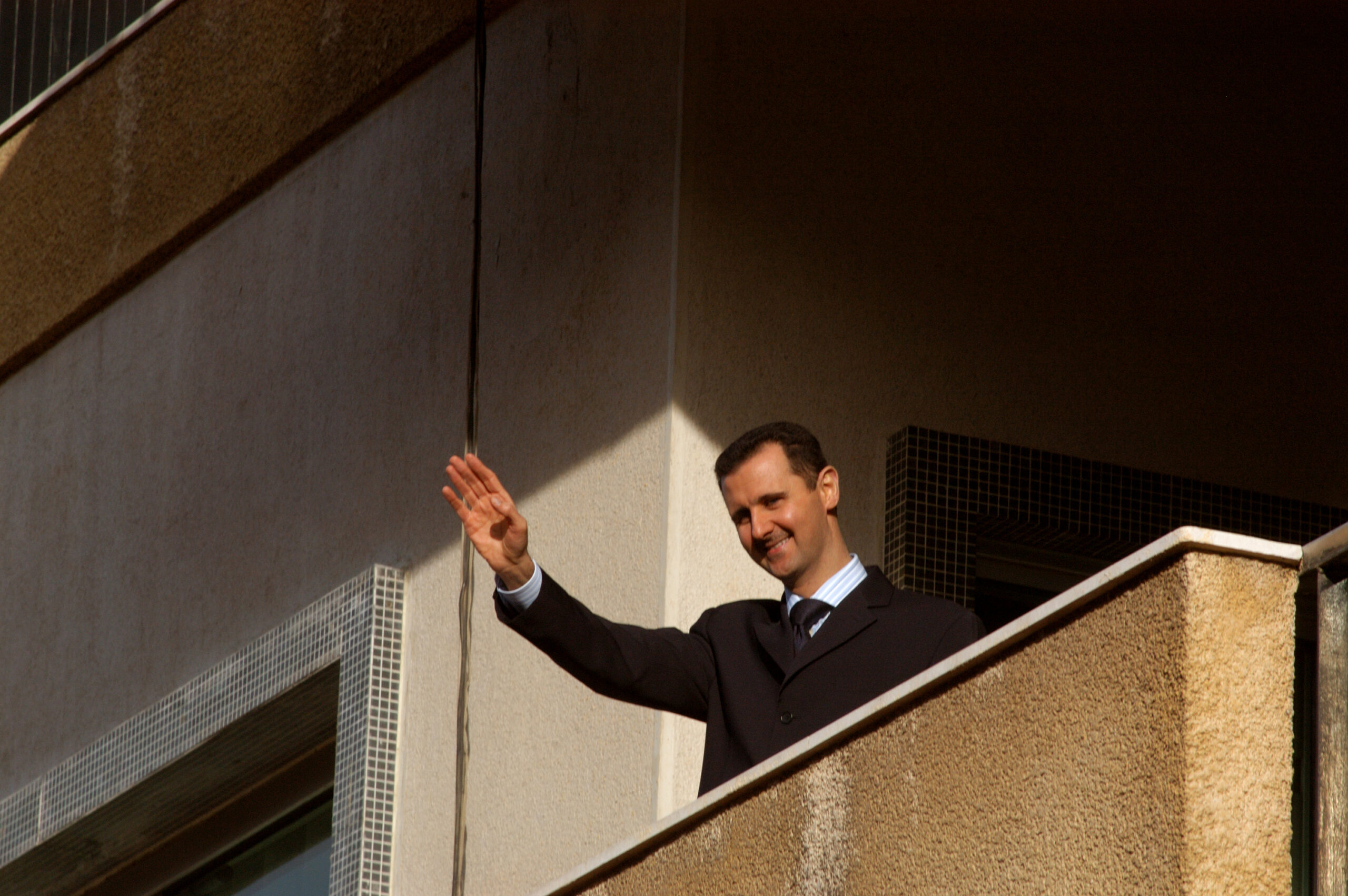
2+The trial commenced in April 2026 as part of accountability measures against symbols of the previous regime and reached its ninth session.
The hearing was attended by Attorney General Hassan al-Turbah, the head of the National Transitional Justice Authority, and families of the victims.
Additionally, the court issued international arrest warrants for Bashar and Maher al-Assad to extradite them to Syria to execute the sentence. However, assessments indicate that Russian President Vladimir Putin will not comply with the extradition request. This marks the first ruling of its kind directly against Bashar al-Assad since the collapse of his regime in December 2024 and his subsequent flight to Moscow, where he has resided in exile ever since.The Reactions: Popular Celebrations and Official Support
In Damascus, hundreds gathered around the Palace of Justice, carrying photographs of victims and Syrian flags, distributing sweets, and chanting joyous slogans.
Some attendees carried a member of the court on their shoulders. 2+
2+In Daraa, chants of “Allah-u-Akbar” echoed from mosques, and residents gathered at the cultural center, describing the day as “historic” and calling for the continued prosecution of all responsible parties. Reports of widespread celebrations also emerged from the city of Homs. Interior Minister Anas Khattab stated: “Today, justice prevails for the victims of these crimes… Congratulations to the Syrian people on the issuance of the first death penalty verdicts… We continue to pursue everyone involved in crimes against our citizens.” Amer al-Ali, head of the Central Inspection Authority, emphasized that the rulings represent justice rather than vengeance, declaring that “in the new Syria, no one is above the law.”
 2+
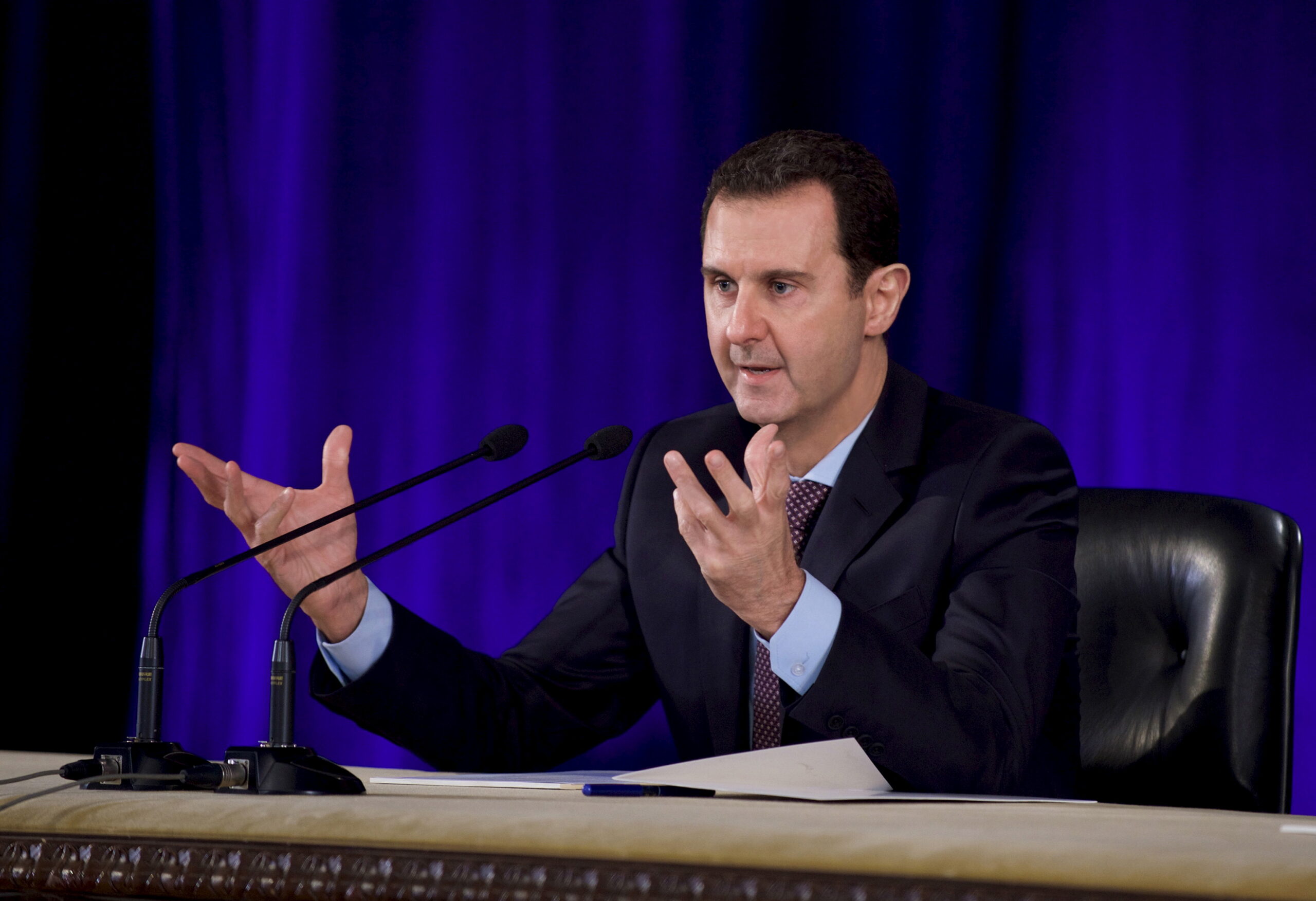
2+The pursuit of security personnel affiliated with the Assad regime remains ongoing. Many former regime officials currently operate in Iraq and Lebanon under the protection of Hezbollah and Shiite militias. Furthermore, estimates indicate that alongside Bashar and his immediate family, his brother Maher and other high-ranking officers are currently harboring in Russia