


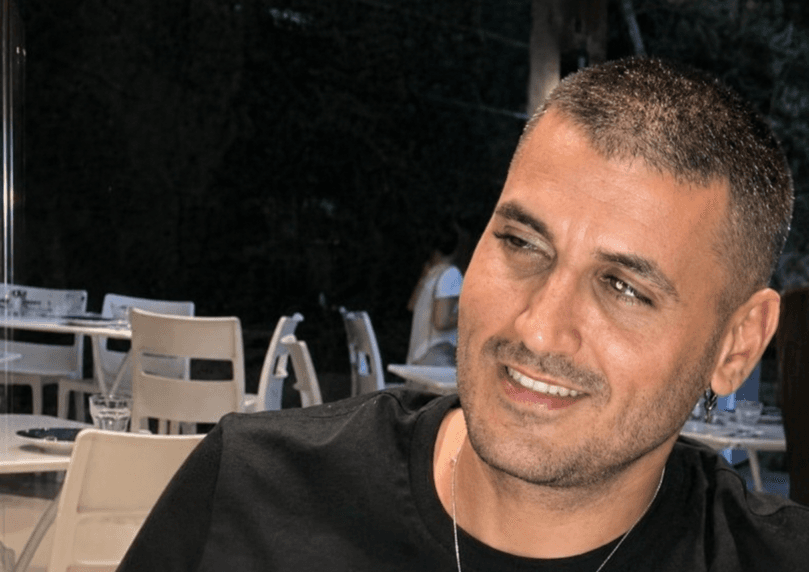

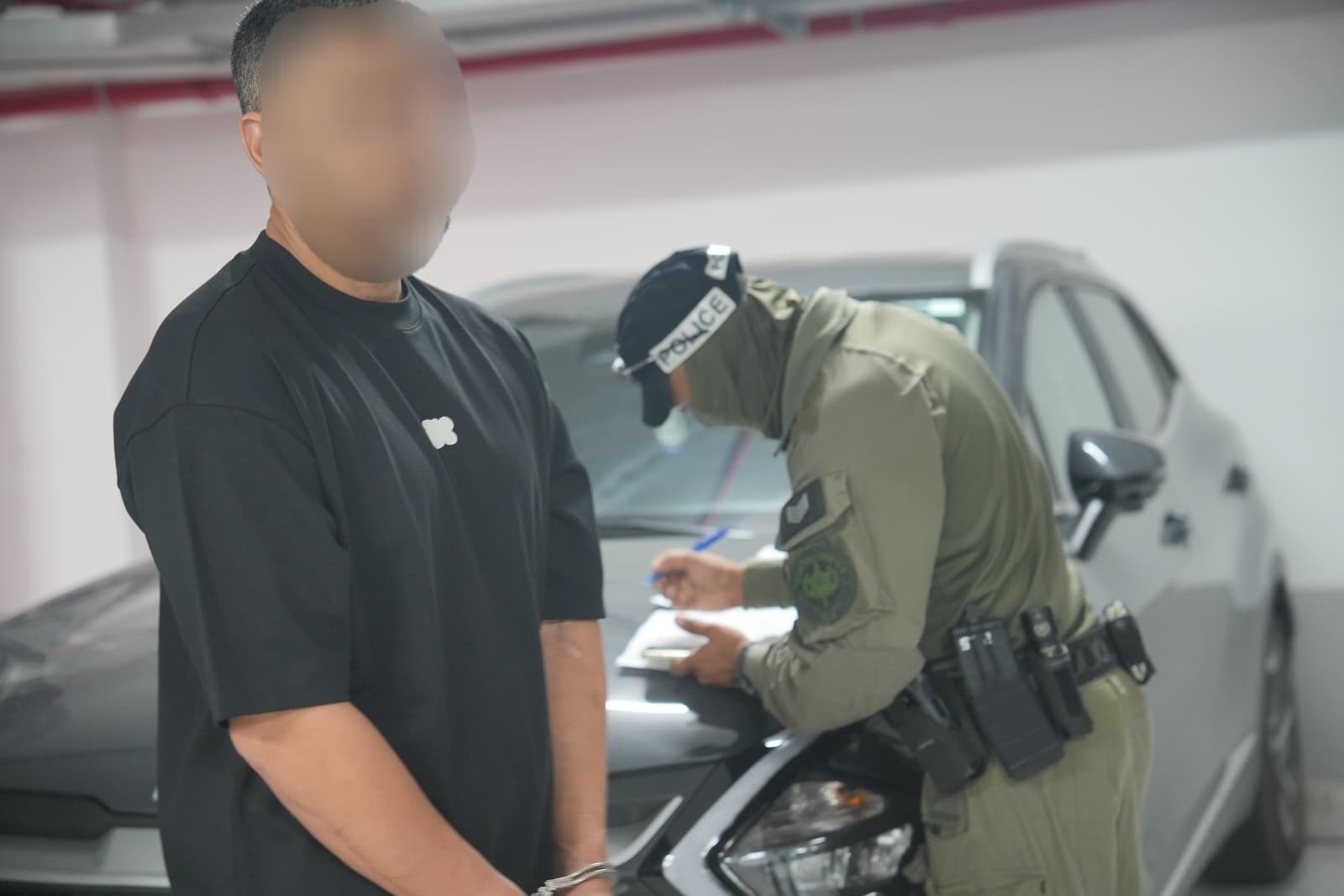
Israeli police launched a sweeping operation Tuesday morning against organized crime networks that allegedly operated in Ashdod and Kiryat Gat. The investigation, dubbed “Delivery Race,” resulted in the arrest of 27 suspects, including Eyal Nagar, considered one of the most prominent figures in Israel’s criminal underworld, on suspicion of running a protection racket in the region. The investigation was conducted over an extended period by the Central Unit of the Lachish District, and involved undercover agents embedded within criminal operations. According to police, the agents operated for months—newly released details reveal the operation actually lasted about a year. The crime networks allegedly took control of distribution and delivery lines in Ashdod and Kiryat Gat, forcing business owners to use services under their control through a system of threats, intimidation, and fear.

 2+
2+Police suspect the activity wasn’t limited to collecting protection money from business owners, but included an attempt to establish organized crime control over the delivery and distribution sector in the areas where they operated. According to the suspicion, control of this system allowed the suspects to funnel significant income to the crime organizations, potentially reaching millions of shekels. The investigation also deals with suspected economic crimes, including money laundering, allegedly designed to obscure the source of funds generated from the criminal activity.
It was further reported that at this stage, it cannot be disclosed whether the deployed agents were police officers or operatives recruited from the criminal underworld. Their identities and method of operation remain protected under investigation restrictions. Police attach special importance to the identities of some of those arrested. According to details released, two of the arrested suspects are defined as crime organization heads, though their names cannot be published at this stage pending completion of hearings and remand extensions. One name already cleared for publication is Eyal Nagar. His detention was extended by six days, until August 17.
 2+
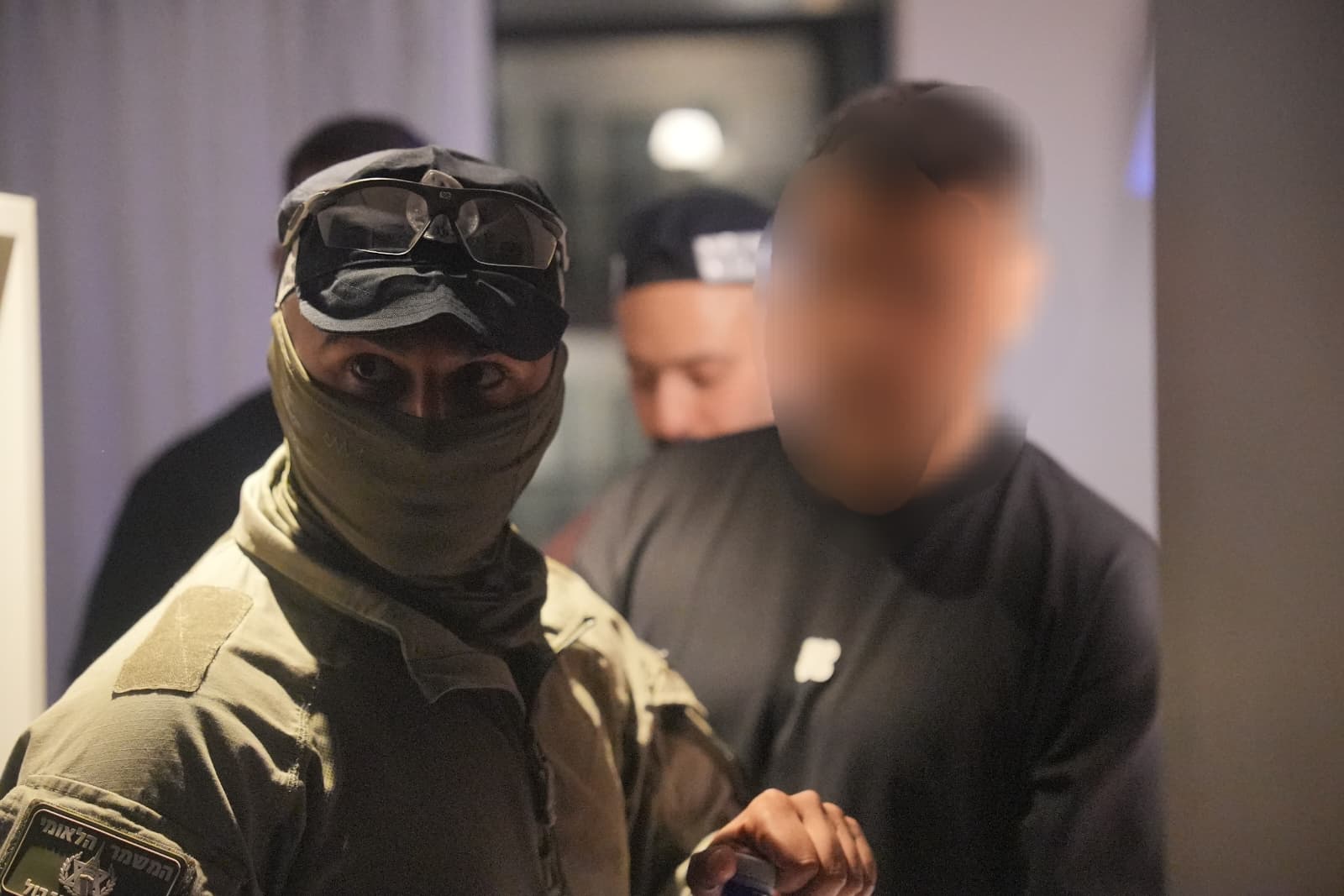
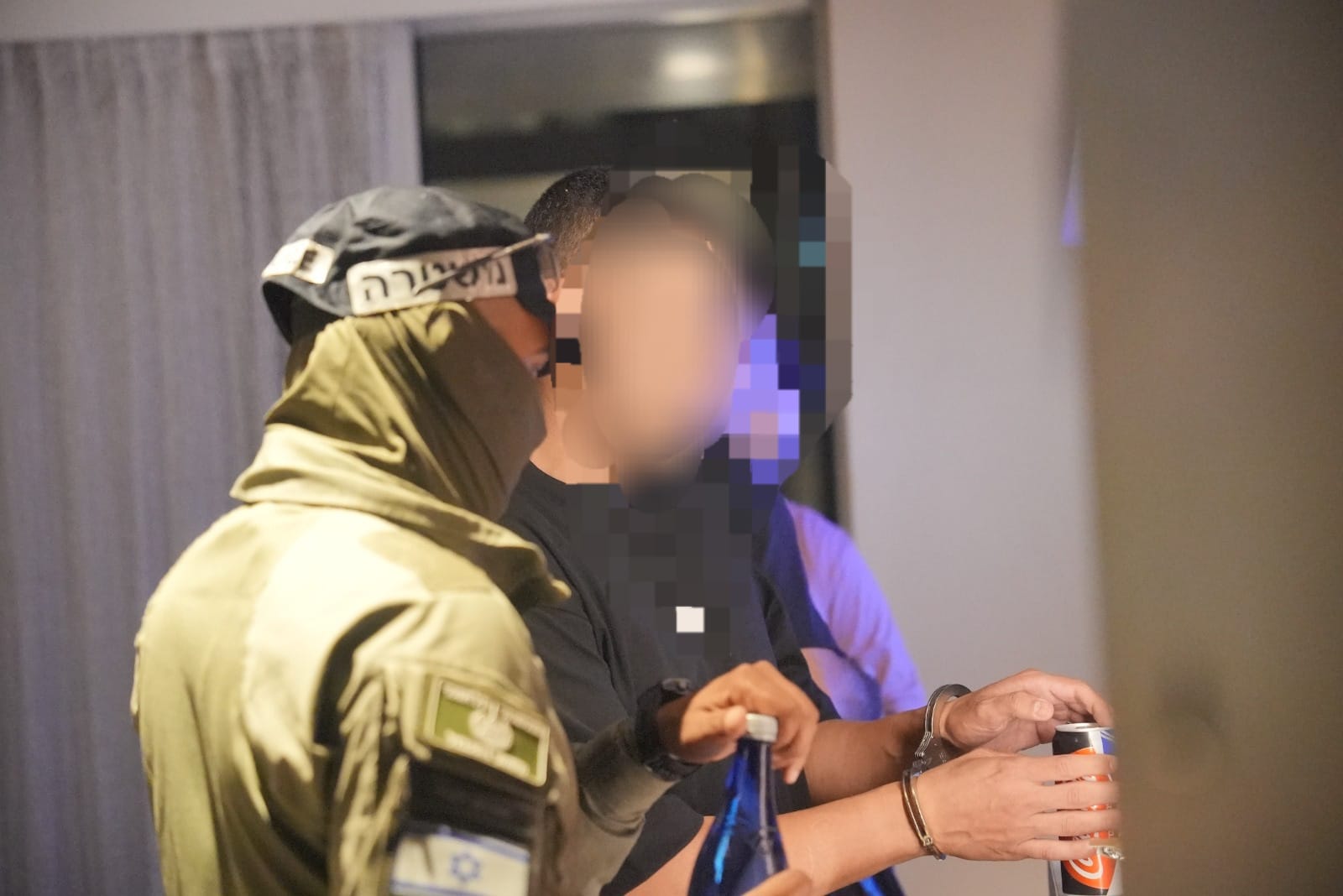
2+Police estimate that the evidentiary foundation gathered during the undercover operation is significant and that the investigation may mature into indictments against those involved. However, at this stage these are only suspicions, and the suspects face legal proceedings that will determine whether sufficient evidence exists to bring them to trial. With the transition to the open phase, large forces deployed in the early morning hours to dozens of targets in Ashdod and Kiryat Gat. The operation was led by Lachish District detectives, in cooperation with Border Police National Guard fighters, Southern District officers, and Saar special patrol unit fighters.
In total, 27 suspects were arrested. Parallel to the arrests, searches were conducted and evidence collected at locations that emerged during the covert investigation. Police view the operation as a move designed to strike not only at the suspects themselves but at the infrastructure enabling organized crime activity in the region. The transition from deploying agents to making arrests was intended, according to police, to uproot the operational mechanism and prevent continued collection of protection money from business owners.
 2+
2+The case was unveiled at a special ceremony at Lachish District headquarters, attended by Police Commissioner Chief Superintendent Danny Levy, Southern District Commander Superintendent Haim Bublil, Border Police Commander Superintendent Brik Yitzhak, National Guard Commander Superintendent Nachshon Nagler, and Lachish District Commander Deputy Superintendent Elihu Shamol. Also attending the ceremony were Investigation and Intelligence Division Chief Superintendent Boaz Balat, Intelligence Division Head Chief Inspector Oshri Abuksis, Southern District Attorney Erez Padan, prosecutors who accompanied the investigation, senior officers, Lachish District detectives, and National Guard fighters.