


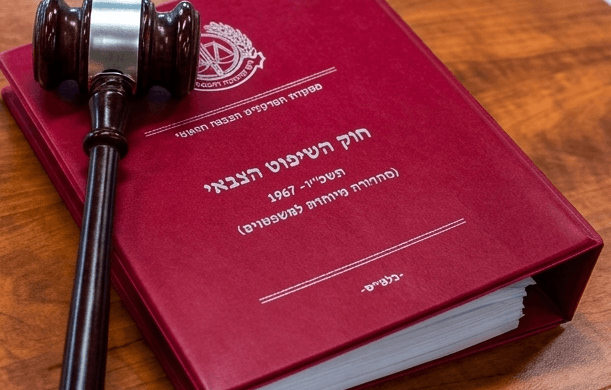

Military prosecutors are leveling harsh criticism at the Samaria Military Court, alleging biased and lenient treatment of terrorists. The prosecutors also point to a series of incidents involving circumvention of procedures and violations of required separation from defense attorneys. The IDF strongly rejects the allegations. We first reported Monday evening that last Thursday, terrorist Khamed Tsubah appeared at the Samaria Military Court. Tsubah, along with another terrorist, carried out the attack at the Eli gas station nearly two years ago, in which Elisha Antman, Harel Masoud, Nachman Shmuel Mordoff, and Ofer Feirman were murdered, and three others were wounded. According to sources present at the hearing, the conduct of senior judges in this case and similar ones raises questions about their neutrality. The sources say those judges allegedly acted in a biased manner favoring the terrorists and contrary to the recommendations of law enforcement officials.

 5+
5+Violating Procedures
During the hearing concerning the Eli gas station attack, Tsubah agreed to admit to the facts in the indictment but asked in return to speak with his mother. A representative from the Israel Prison Service objected to the request, saying it violated procedures. But then the president of the Samaria Military Court, Lt. Col. Kamal Zahraldin, intervened. According to sources present at the hearing, President Zahraldin turned to the terrorist’s defense attorney in Arabic and told him: “Bring the defendant here physically and we will approve his parents’ entry to the hearing.” Military prosecutors are sharply criticizing the remarks, claiming they represent an attempt to circumvent Prison Service procedures. “This is an attempt to bypass procedures the judge is aware of, and a very bad message being sent to terrorists,” they said. According to them, the case doesn’t stand alone but joins a series of incidents that have sparked criticism among prosecutors about the conduct of the Samaria Military Court and the level of deterrence it demonstrates toward defendants and suspects in terror offenses.
 5+
5+Father and Son Arrested—Then Released
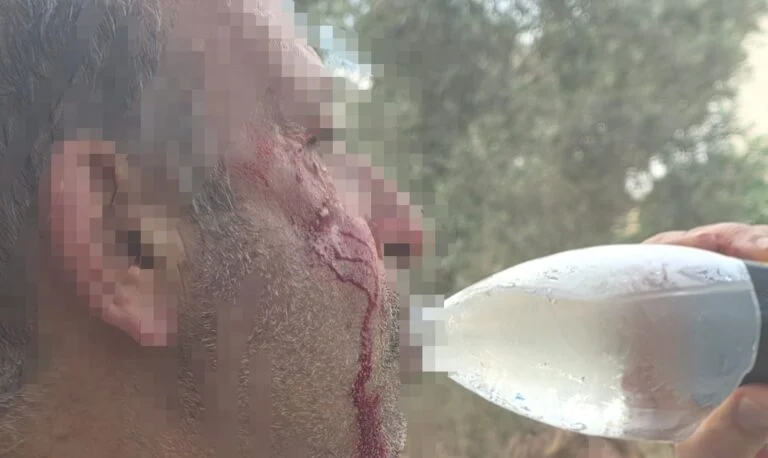
Another incident prosecutors point to occurred following the deadly attack near Givat Gilad on July 24: A terrorist who grabbed a weapon from a security guard opened fire, and in the battle against him, Major Yuval Ezra and Binyahu Melat, a member of Givat Gilad’s emergency response team, fell.
As part of the investigation into the attack, a father and son who were filmed in videos from the incident were arrested on suspicion of involvement in events leading to the attack. But Judge Capt. Ortal Zer ruled that the evidentiary foundation presented to her was insufficient to continue their detention and ordered their release under restrictive conditions. “I found that the same substantive evidentiary difficulty still exists even regarding the current suspicions the prosecution attributed to the suspects,” the judge wrote in her decision.
Military prosecutors criticized the decision as part of their broader claim that a series of decisions by the court conveys an overly lenient policy toward suspects and defendants in security offenses.
 5+
5+The Allegation: Meetings with Defense Attorneys Without Prosecutors Present
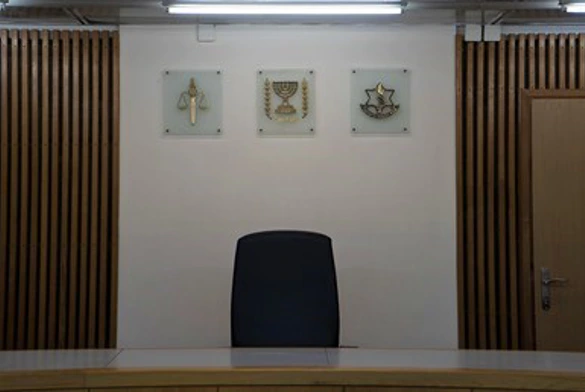
Another allegation raised by prosecutors concerns the conduct of Zahraldin, president of the Samaria Military Court: According to them, the president regularly holds meetings in his office with defense attorneys representing defendants in terror offenses, without the presence of prosecution representatives. According to those sources, this is conduct that doesn’t align with the law and with the required separation between the court and the parties in proceedings.
“There’s no proper separation here between the president and the parties,” the sources claimed. “This conduct sends a message that messages can be conveyed without us being there and able to object—and thus influence ongoing proceedings.”
Prosecutors emphasize that from their perspective, these aren’t isolated incidents but ongoing conduct that they say undermines the ability to conduct aggressive and deterrent proceedings against terrorists.
 5+
5+According to them, precisely at a time when the security establishment seeks to intensify the fight against terror, decisions are being made at the Samaria Military Court that send the opposite message. The sources are now demanding an examination of the court’s conduct and the line between the broad judicial discretion given to judges and conduct that they claim exceeds it.
IDF Spokesperson’s Response: The attempt in the article to create a false impression of Samaria Military Court policy is wrong and doesn’t match reality. The military courts in Judea and Samaria operate independently and professionally. All decisions in cases are made according to the law and based solely on professional considerations. Trials are conducted according to existing law while strictly maintaining fair process and the rights of crime victims.
 5+
5+Regarding the claim about the decision to release under conditions two of those involved in the incident that occurred in the village of Tel in July—the decision was based on evidentiary difficulties in the evidence collected. An appeal filed on the decision was rejected by the Military Court of Appeals, which also noted the evidentiary difficulties in the material presented.
Regarding the trial of Khamed Tsubah, his defense attorney filed a request to convene a panel of judges so that his client and his partner could admit to the indictment, for offenses primarily involving intentional killing of Elisha Antman, Harel Masoud, Nachman Shmuel Mordoff, and Ofer Feirman. During the hearing, the defendant indicated he was indeed considering pleading guilty but requested the opportunity to speak with his mother.
The court clarified in the courtroom the accepted procedural orders on the matter, and afterward the defense attorney’s conversation with his client continued in order to bring the case to a close and spare the hearing of the many witnesses in the case. The claim that the court’s conduct was contrary to accepted procedures is completely baseless. The court explained the existing procedural orders in the courtroom, and subsequently the defendant admitted to the indictment as written and the case was scheduled for a sentencing arguments hearing.
 5+
5+The president of the Samaria Military Court holds periodic work meetings with all court visitors—prosecution and defense, police bodies and Prison Service representatives. The meetings deal with administrative and logistical matters only and are held according to procedures and lawfully.