


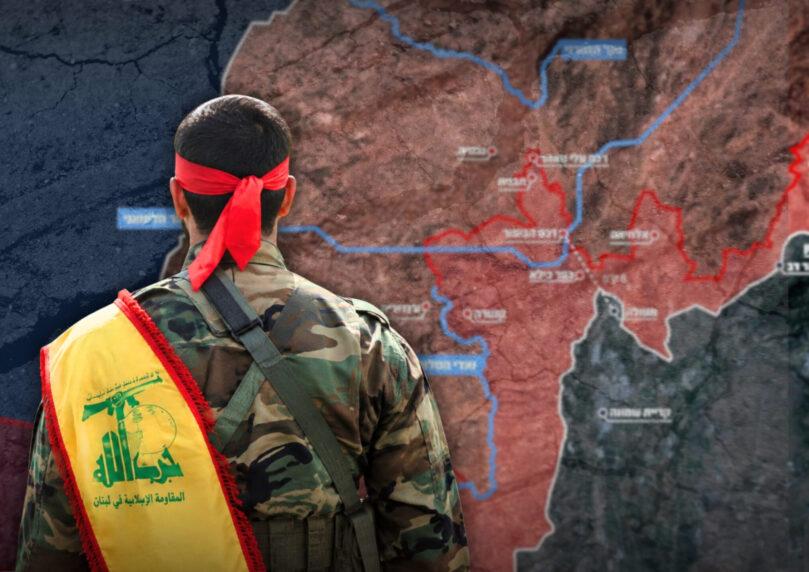

Israel-Lebanon negotiations have surfaced a contentious issue: which countries will be allowed to participate in disarming Hezbollah. As implementation of the plan moves forward, Israel has rejected several nations—and others remain in limbo. We reported this evening (Monday) that Israel has drawn a clear line on the composition of the force that will help disarm Hezbollah. The line: countries that acted against Israel in international courts in The Hague—whether against the state of Israel or against Israeli officials—will not be part of the international force in Lebanon. During discussions, several countries emerged as possible candidates to participate in the mechanism, but Israel rejected the participation of France, Turkey, and Spain due to their hostile attitude and activity against Israel.


 1+
Beyond the rejected countries, there’s a dilemma regarding nations that haven’t acted directly against Israel in international courts but have announced they will honor and enforce the arrest warrants issued against Prime Minister Benjamin Netanyahu and former Defense Minister Yoav Gallant. One country in this category is Switzerland, and Israel has not yet made a decision on whether it can participate in the force. Another country under dispute is Italy, which is hosting the negotiations. On one hand, during the war a series of sharp statements against Israel were heard in Italy. On the other hand, Rome made clear it would not arrest Israeli officials despite the arrest warrants.
 1+
Additional countries that have emerged as possibilities to join the force are Indonesia, Britain, and Greece. The latter is considered to have particularly close relations with Israel, including security cooperation and joint military exercises held in recent months. Behind the debate over which countries stands a broader Israeli conception: Jerusalem is seeking to draw a red line and change the approach when it comes to entrusting Israeli security issues to international actors. The Israeli message is that countries that look after the interests of Israel’s enemies, or those that actively operate against Israel in the international arena, cannot be partners in a plan meant to ensure Hezbollah’s disarmament. From Israel’s perspective, disarming Hezbollah is an Israeli security interest. If an international mechanism acceptable to Israel that can guarantee implementation of the agreements on the ground is not found, the message is clear: Israel will not hesitate to act with force.