


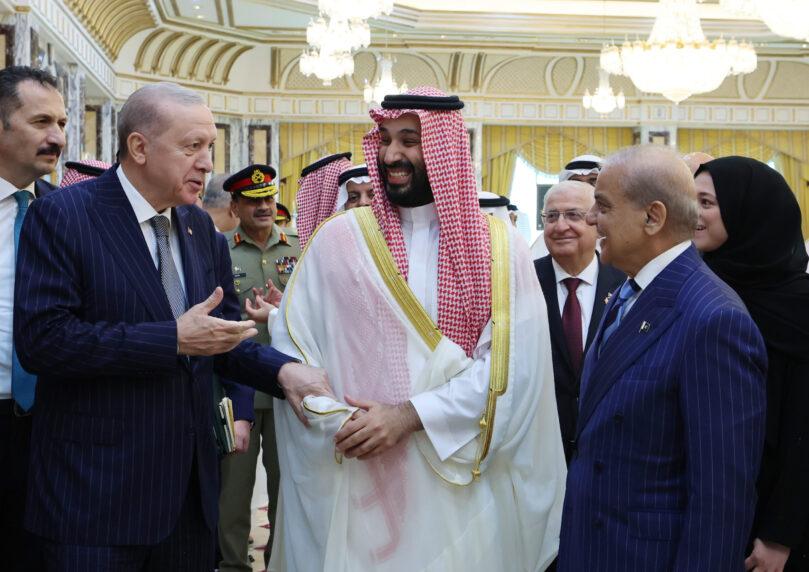

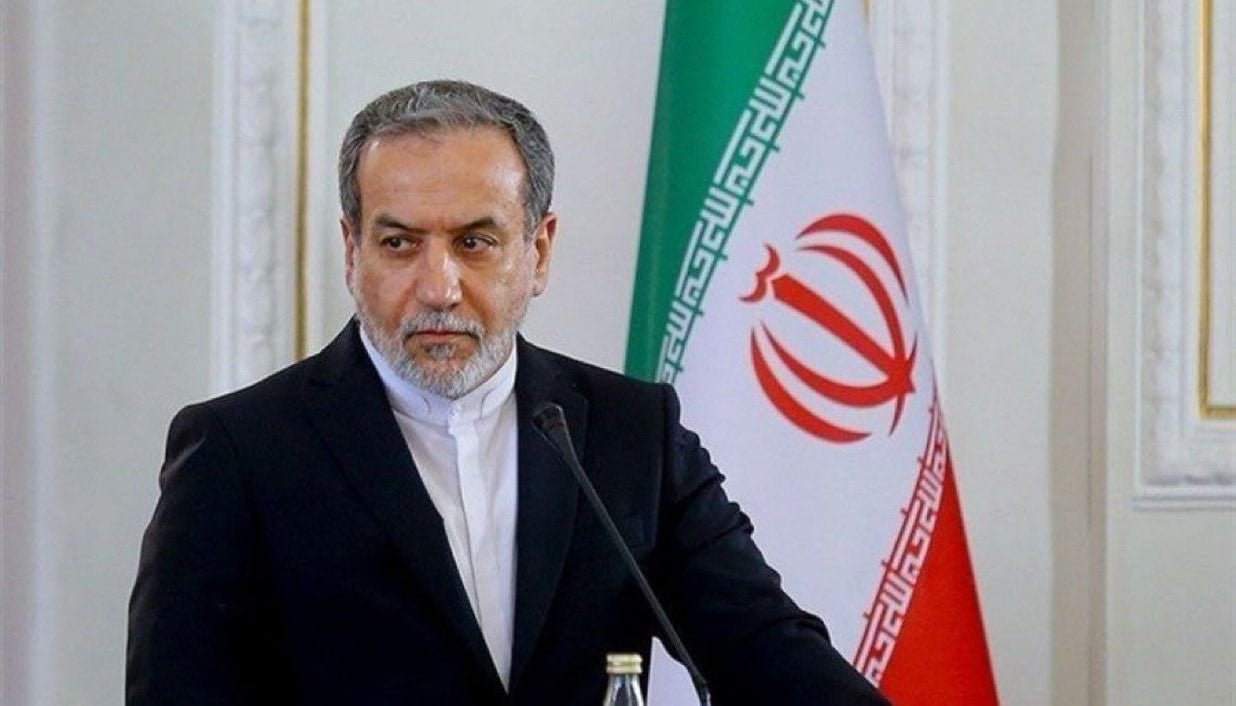
The new security agreement between Saudi Arabia, Turkey, and Pakistan continues to roil the Middle East—especially the country that feels most threatened by it: Iran. Yet Pakistan’s foreign minister moved quickly to reassure his western neighbor, telling his Iranian counterpart the pact isn’t offensive at all and even appearing to hint that Iran could join. The exchange has left Arab commentators puzzled: if the agreement isn’t offensive, why was it signed in the first place? Pakistani Foreign Minister Ishaq Dar spoke Monday with his Iranian counterpart, Abbas Araghchi, with the “Mecca Agreement” dominating the conversation. The Islamabad official made clear to Araghchi that the pact with Saudi Arabia and Turkey has no offensive purpose whatsoever—and isn’t directed against Iran. Beyond that, Dar added that the agreement is open to other regional states.

 1+
A statement from Pakistan’s Foreign Ministry said Dar reached out to Araghchi and briefed him on the fundamentals of the “Mecca Joint Defense Agreement,” signed over the weekend between Pakistan, Saudi Arabia, and Turkey, emphasizing its goals of strengthening strategic cooperation and contributing to regional peace and security. It’s unclear whether the Pakistani foreign minister actually intended to invite Iran to join the agreement, but he did expose its inherent problem. Over the past six months, Iran has repeatedly attacked Saudi Arabia, and even Turkey intercepted several ballistic missiles that passed over its territory. While these weren’t massive strikes, both Saudi Arabia and Turkey successfully dealt with them. When Dar told Araghchi the agreement has no offensive purpose, the question arises: what is its purpose? After all, both Turkey and Saudi Arabia have the capability to defend themselves with American systems—so why do they need Pakistan?
 1+
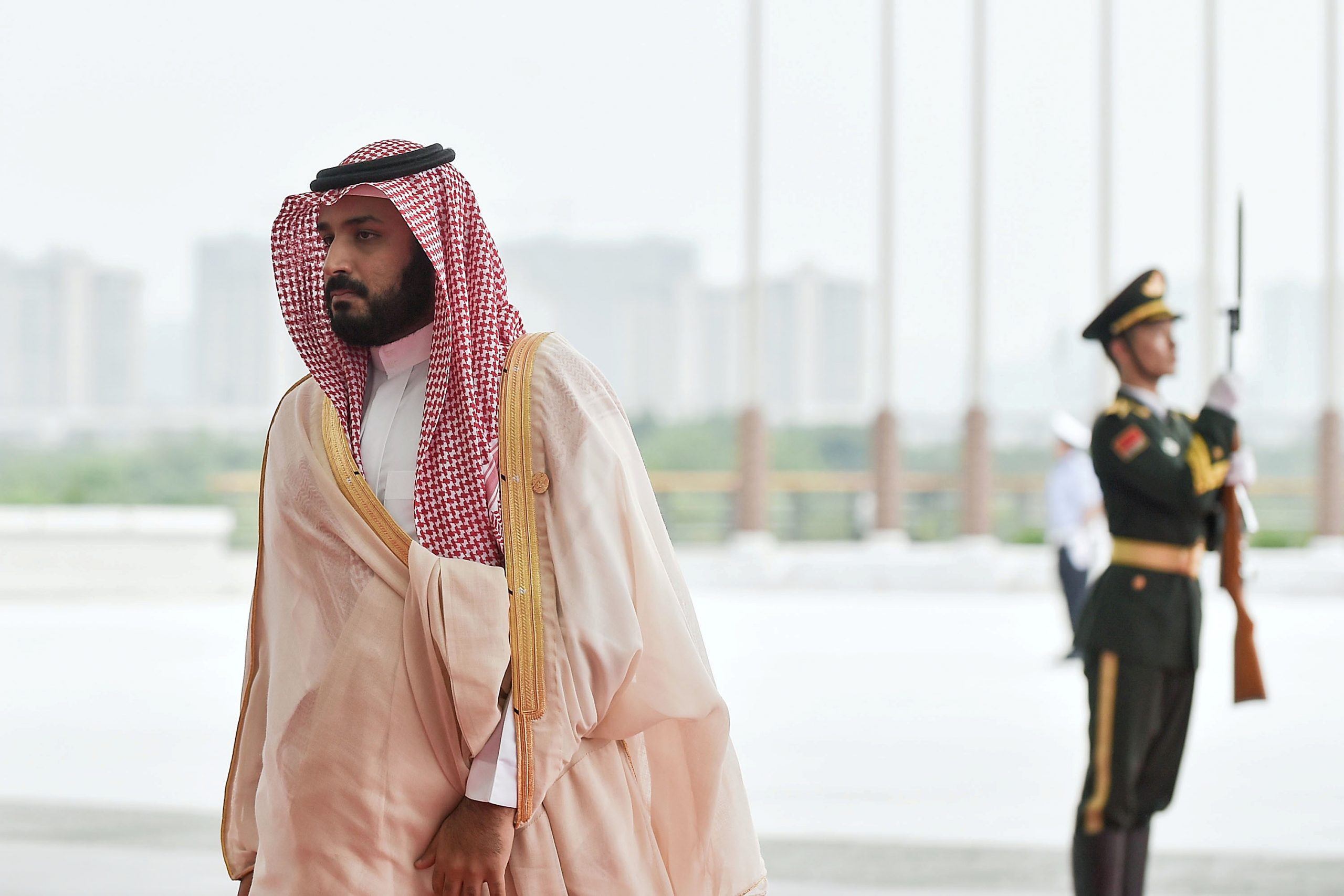
It’s important to note that Saudi Arabia and Pakistan already signed a security agreement in January of last year, before Operation “Lion’s Roar” began. That agreement is hard to define as “non-offensive,” since part of the alliance involved Saudi purchase of JF-17 fighter jets—an aircraft jointly produced by China and Pakistan. But fighter jets aren’t the most important part. What likely drove Turkey and Saudi Arabia to pursue an agreement is the fact that Pakistan is a nuclear-armed state.
The agreement doesn’t create deterrence, since immediately after it was signed, the Houthis—led by Iran—continued attacking Saudi-backed forces in Yemen. Moreover, the chance that Pakistan would use its nuclear weapons against Iran, especially on behalf of another country, is virtually nonexistent, according to Qatari analysts. As a result, the content of the meeting between the Pakistani and Iranian foreign ministers has raised questions again across the Arab world about the agreement—with many still unclear why it was signed.