




The war between Russia and Ukraine continues to hit civilian targets—this time striking at the heart of local culture: A Russian drone destroyed the offices and warehouses of Ranok, a well-known publishing house in central Kyiv, according to Reuters. The publisher’s director, Viktor Kruhlov, called the incident a cultural tragedy, saying “it’s a terrible and cruel sight to see books burning.”

 1+
1+This isn’t the first time Russia has launched targeted strikes against Ukraine’s printing and publishing industry. Earlier this month, a massive drone attack on book warehouses in Kharkiv led to the destruction of roughly 8 million books. It’s the most severe and damaging blow Ukraine’s publishing industry has suffered since the war began, putting many Ukrainian publishers in existential danger. Western and Ukrainian officials believe this is no coincidence, but rather a deliberate Russian tactic. Reuters points to a deeper motive tied to the identity struggle: since fighting broke out, there’s been an unprecedented surge in demand for books in the Ukrainian language. Because Russia sees Ukraine as part of its vision of “Greater Russia,” the spike in use of the local language is viewed in the Kremlin as an act of protest—hence the decision to target cultural infrastructure.
 1+
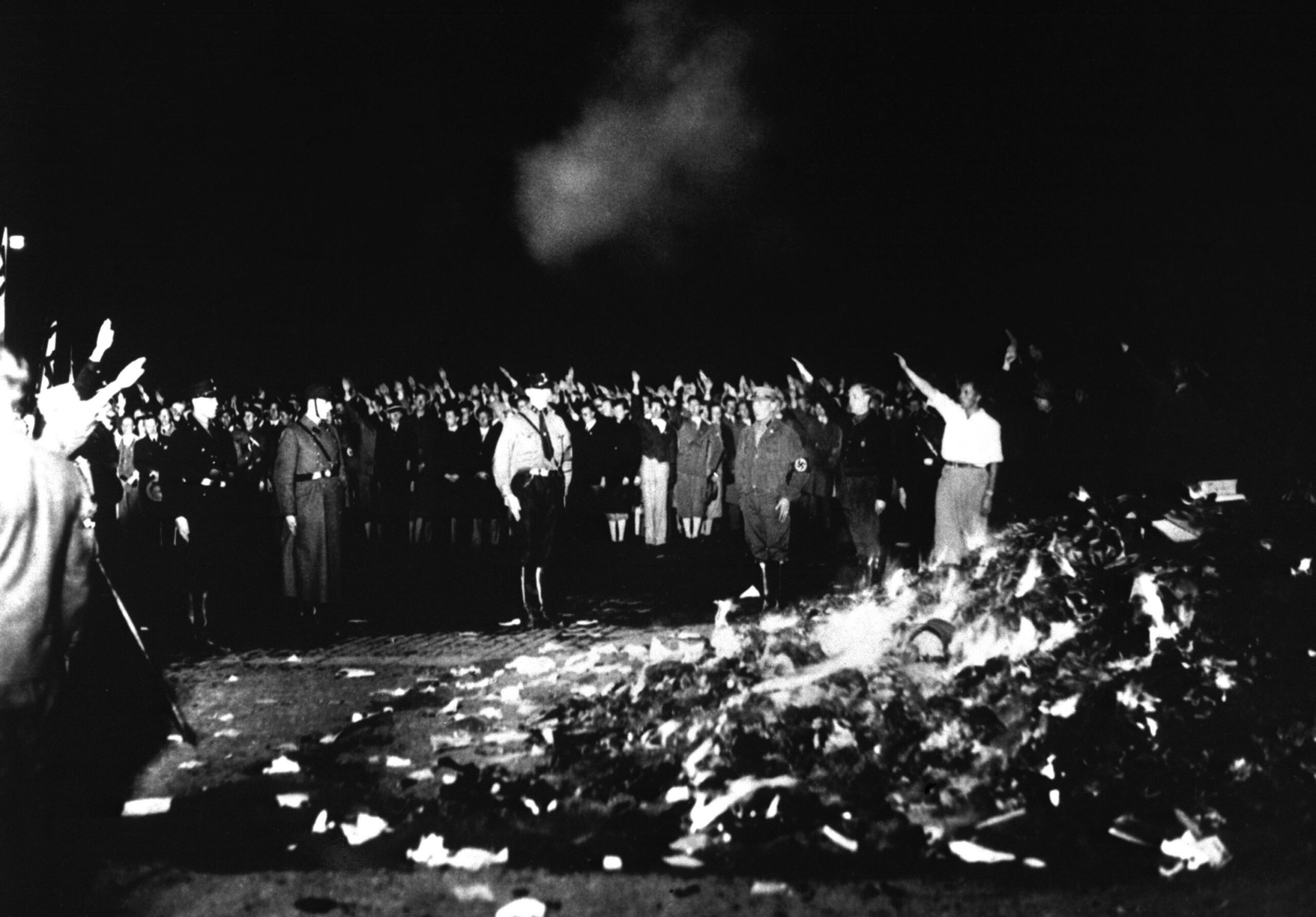
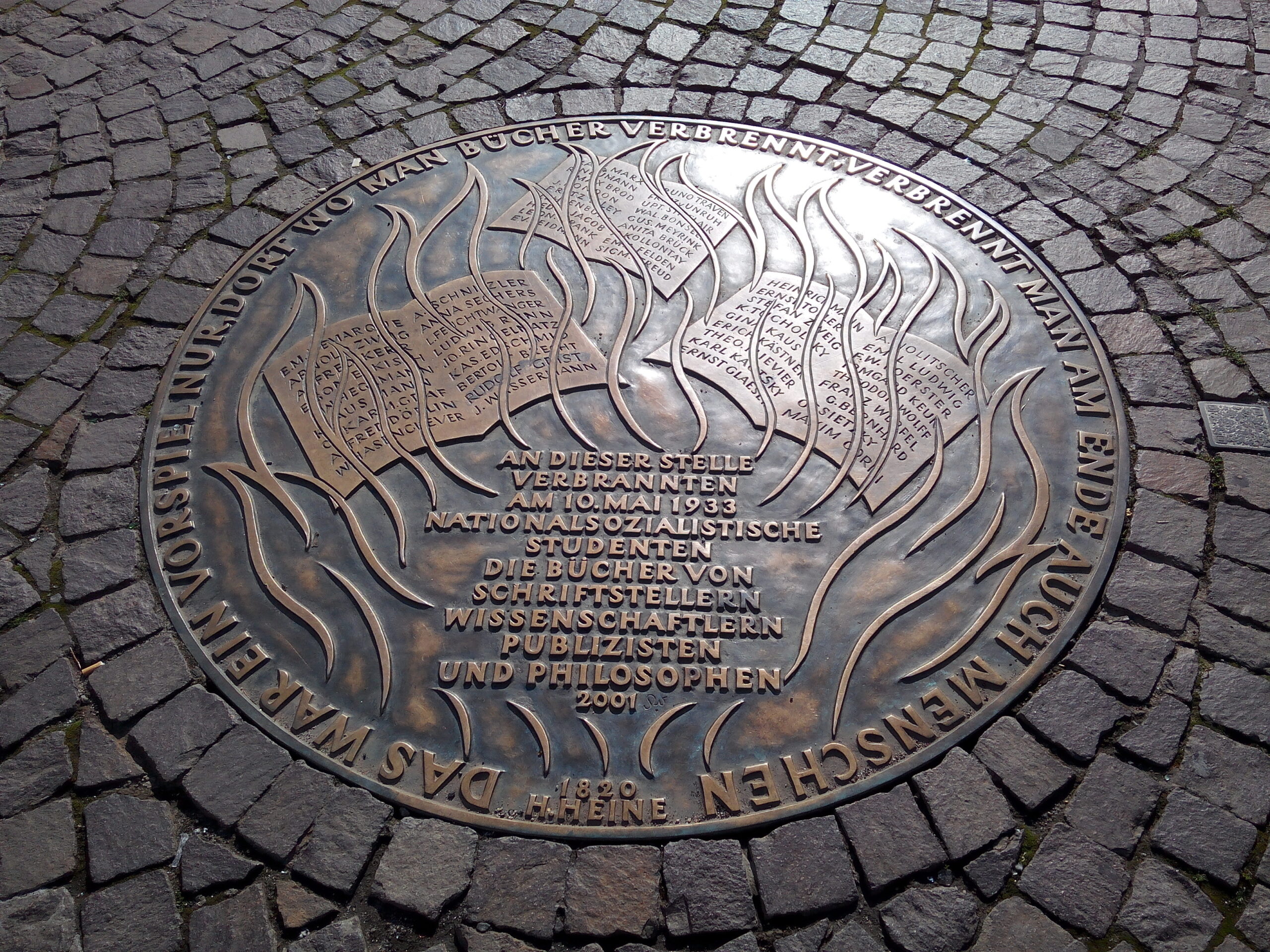
1+Targeted attacks on literature and cultural assets are a familiar practice of totalitarian regimes throughout history to erase national identity. The most prominent example occurred in Nazi Germany in 1933, with the mass burning of books marked as “contrary to the spirit of the state”—an event that gave rise to poet Heinrich Heine’s famous line: “Where they burn books, they will ultimately burn people too.”