


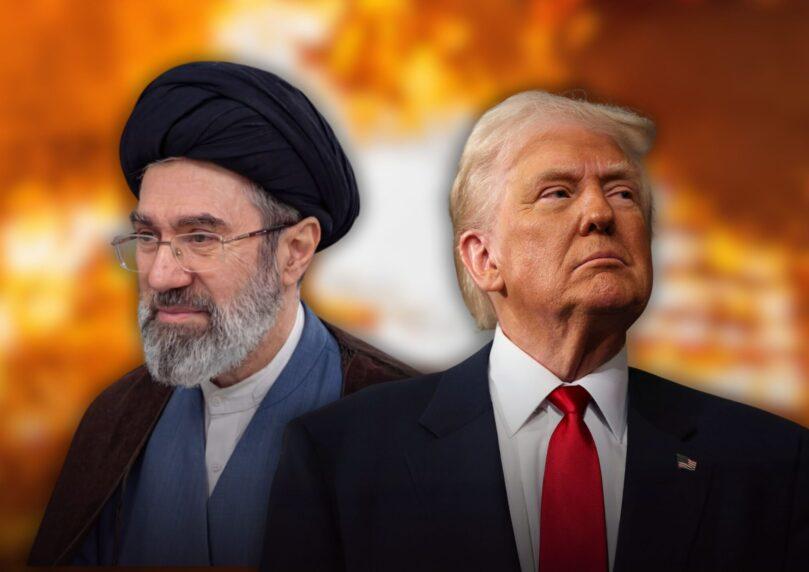

With U.S. midterm elections approaching and high fuel prices angering voters, President Donald Trump has been looking for a way to end the standoff with Iran and present the American public with a diplomatic achievement.

 3+
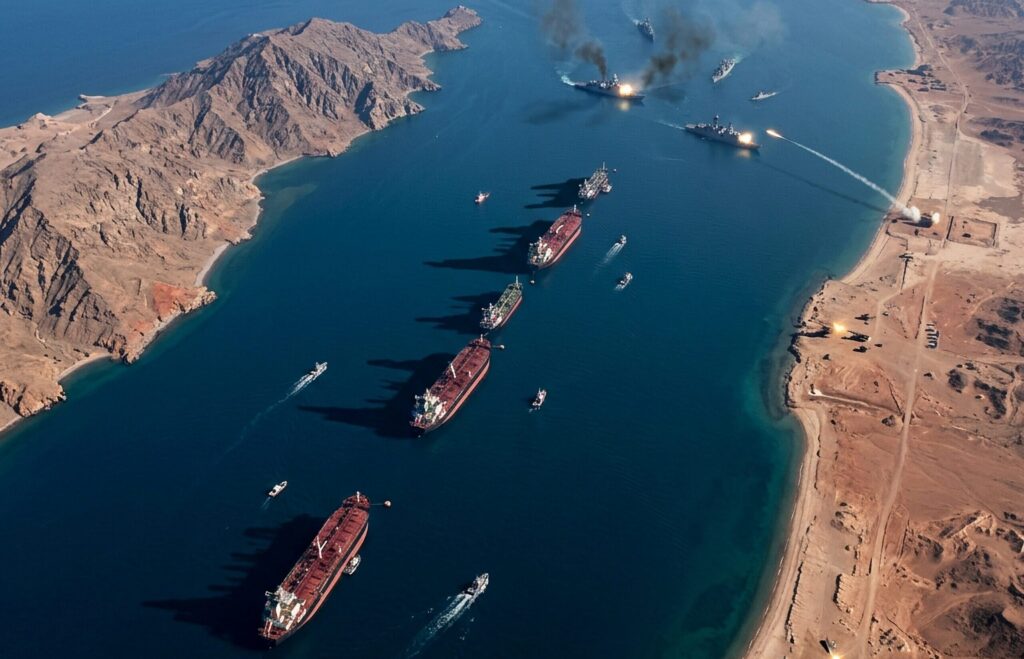
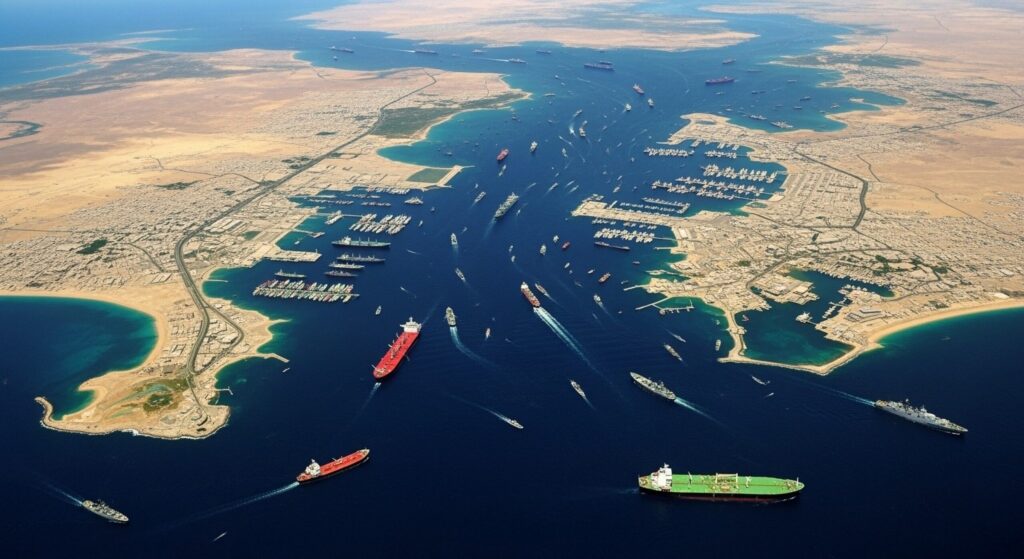
3+According to officials cited in a Wall Street Journal report on Sunday, the administration was preparing to declare victory the moment the critical Strait of Hormuz shipping lane reopened to full traffic. The President reportedly made it clear in closed-door conversations that he was willing to forgo signing a new nuclear agreement with Tehran to close out the crisis, believing that intelligence monitoring and deterrence alone would prevent Iran from reviving its nuclear program.
The White House strategy rested on the assumption that the primary threat to the American economy was blocked energy routes, and that reopening them would suffice to calm the markets. Officials in Washington argued that military objectives had been achieved, with Vice President JD Vance explaining that the U.S. would continue applying pressure to ensure steady energy flows that would bring down fuel prices for Americans.
 3+
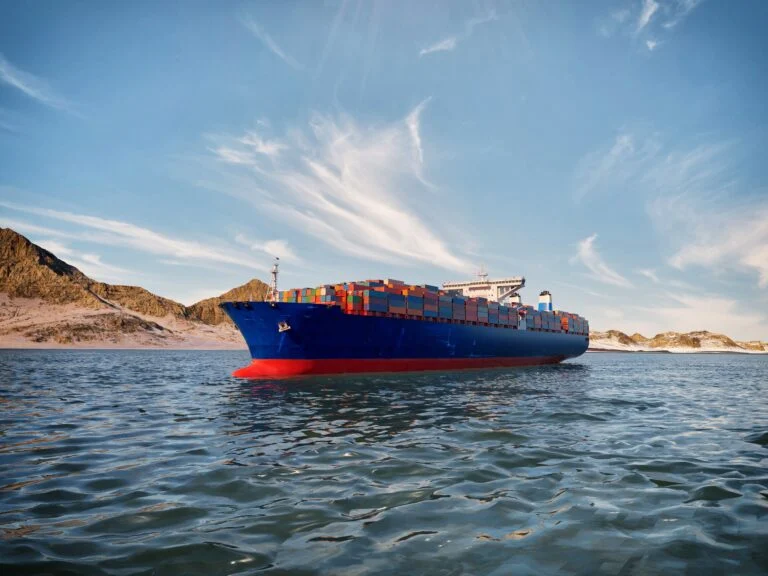
3+But the plan has hit major obstacles. Iran laid out a series of rigid demands and massive concessions in exchange for reopening the shipping lane, including: billions of dollars in compensation, the release of frozen assets, the lifting of sanctions, and a demand for the withdrawal of American forces alongside a complete halt to operations against regional militias. Tensions on the ground also escalated further when the United Arab Emirates reported that one of its ships had been struck by an Iranian missile.
In recent days, it was revealed that President Trump told reporters at the White House he was prepared to order a massive, widespread military strike—one he described as unprecedented since World War II—but halted it at the last minute at the request of U.S. allies in the region.
 3+
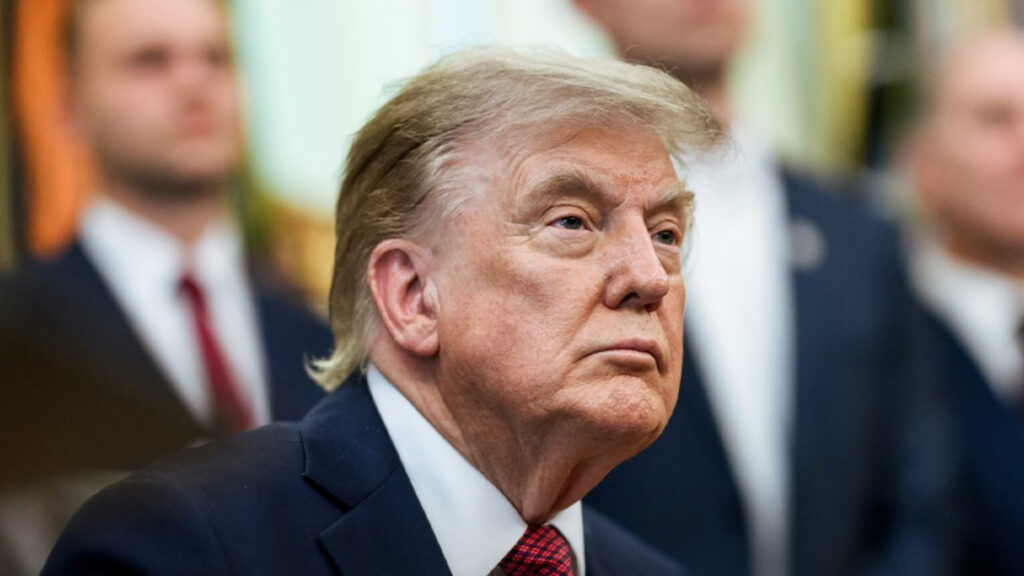
3+Despite these complications, Trump has continued to project confidence, recently sharing a link on social media to an article titled, “Donald Trump Won the War in Iran,” implying that his core objectives have already been met even without a formal new agreement.
Conversely, experts and political figures warn that the reality on the ground is far more complex than any victory declaration. According to the American Automobile Association (AAA), the average price of gas recently stood at $4.02 per gallon—a significant jump from the $3.16 American consumers paid last year. While prices have slightly decreased from the previous week, they remain high enough to pose a significant burden on voters heading into November.
 3+
3+Addressing concerns about the potential revival of the Iranian nuclear project, administration officials noted that Trump asserted in private that Iran is incapable of rebuilding its nuclear operations as long as he is in office—especially after U.S. strikes destroyed three key facilities last year. According to the President, America’s intelligence-gathering capabilities would immediately detect any future attempts to secretly rebuild the sites, and the threat of severe military retaliation serves as a long-term deterrent against Tehran acquiring a nuclear weapon.