


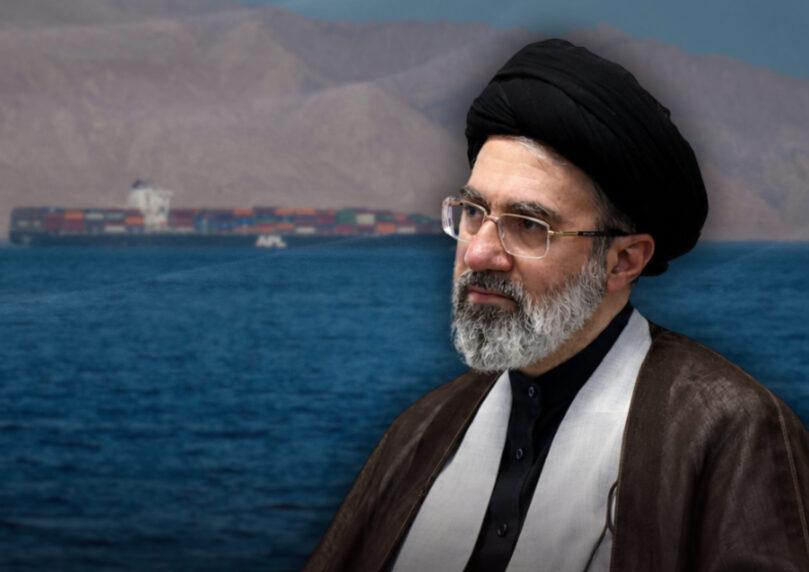

Senior Iranian regime officials continue sending aggressive messages to Washington over the Strait of Hormuz, making clear that a possible agreement with Oman on a shipping route doesn’t guarantee the strait will reopen. Tehran is laying out a series of conditions for the U.S., including lifting sanctions, releasing frozen assets, and paying compensation for war damages.

 2+
2+Iran continues signaling today that it won’t give up control of the Strait of Hormuz. On one hand, regime officials are talking about progress in negotiations with Oman regarding the shipping route. On the other, they’re making clear that any such arrangement doesn’t guarantee the strait will reopen, and that the decision will depend on Washington accepting Tehran’s conditions.
A Revolutionary Guards spokesman said this morning that “this war is effectively the only war in which the U.S. is accepting its defeat without achieving any accomplishment.” According to him, “we forced the enemy to rapidly retreat from all the goals it imagined and set for itself, until it reached a situation where its goal is opening the Strait of Hormuz. It’s concentrating all its efforts on opening a strait that was previously open.”
 2+
2+Continuing his remarks, the spokesman claimed that from Iran’s perspective, the strait isn’t just a waterway but a “geographic combat zone.” According to him, “our current strategy is to hold this strait until the enemy accepts all our conditions.”
The Iranian military spokesman also joined the aggressive line, saying that “today, the Iranian order controls the Strait of Hormuz. The U.S. has no choice but to accept the existing situation, otherwise it will suffer at far higher costs than in the past.”
Mohammad Baqer Zolghadr, secretary of Iran’s Supreme National Security Council, published a letter yesterday detailing Tehran’s demands. “As long as the U.S. doesn’t correct its behavior, the Strait of Hormuz will not open,” he wrote.
Among the conditions the Iranian regime set: cessation of threats against Iran, ending aggression against it and its allies in Lebanon, Palestine, Yemen and Iraq, lifting the naval blockade, withdrawal of American military forces from the region, full compensation for war damages, lifting sanctions, and releasing frozen Iranian assets.
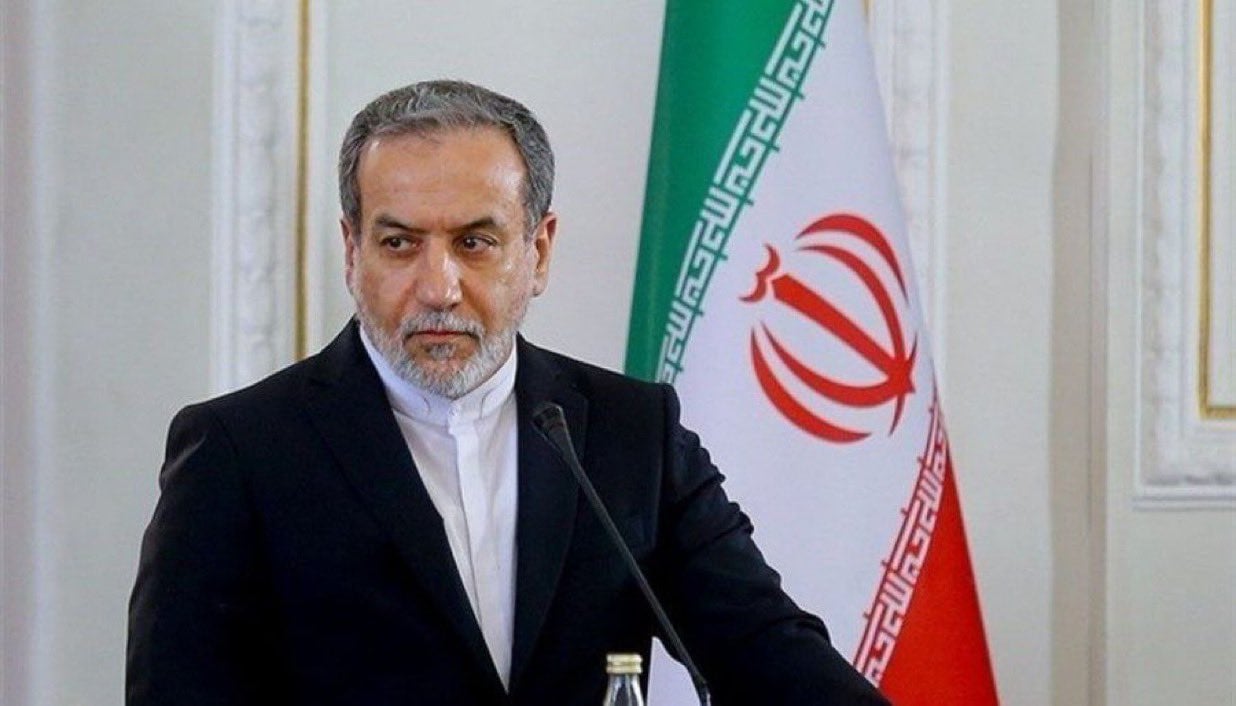
Iranian Foreign Minister Araghchi addressed the Oman talks last night, saying: “We’re talking about the route in question, and we’re very close to reaching a result. Establishing this route between Iran and Oman doesn’t necessarily mean the Strait of Hormuz will open. That also depends on additional conditions.”
 2+
2+Araghchi accused the U.S. of violating the memorandum of understanding, claiming Iran had already begun working to restore traffic in the strait to pre-war levels. According to him, after about two weeks of implementing the understandings, traffic volume already reached about 60% of previous levels, but the Americans worked to create new routes that he claimed were designed to undermine Iranian management of the strait.
“We will not tolerate a situation where someone violates the memorandum of understanding and it remains without response,” the Iranian foreign minister said. “And we will not tolerate a situation where someone seeks to harm Iran’s management, Iran’s sovereignty, or Iran’s power and authority in the Strait of Hormuz.”
Parliamentary Deputy Speaker Haji Babaei said the Strait of Hormuz “must be in the hands of the Islamic Republic of Iran,” adding that any arrangement must preserve the oversight and will of the Iranian people. According to him, if Iran decides one day that no ship will enter the strait, “then no ship will enter.”