


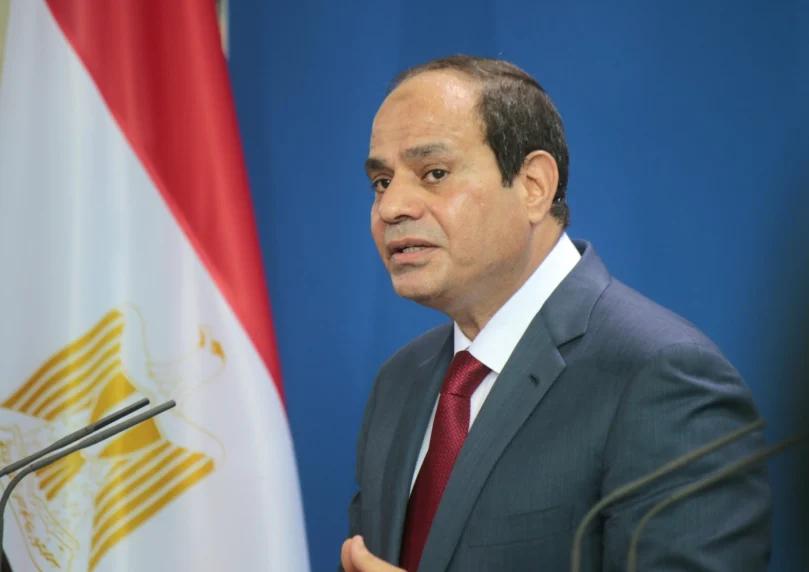

Egypt may soon join the newly established mutual defense alliance founded by Saudi Arabia, Turkey, and Pakistan, according to Turkish Foreign Minister Hakan Fidan.
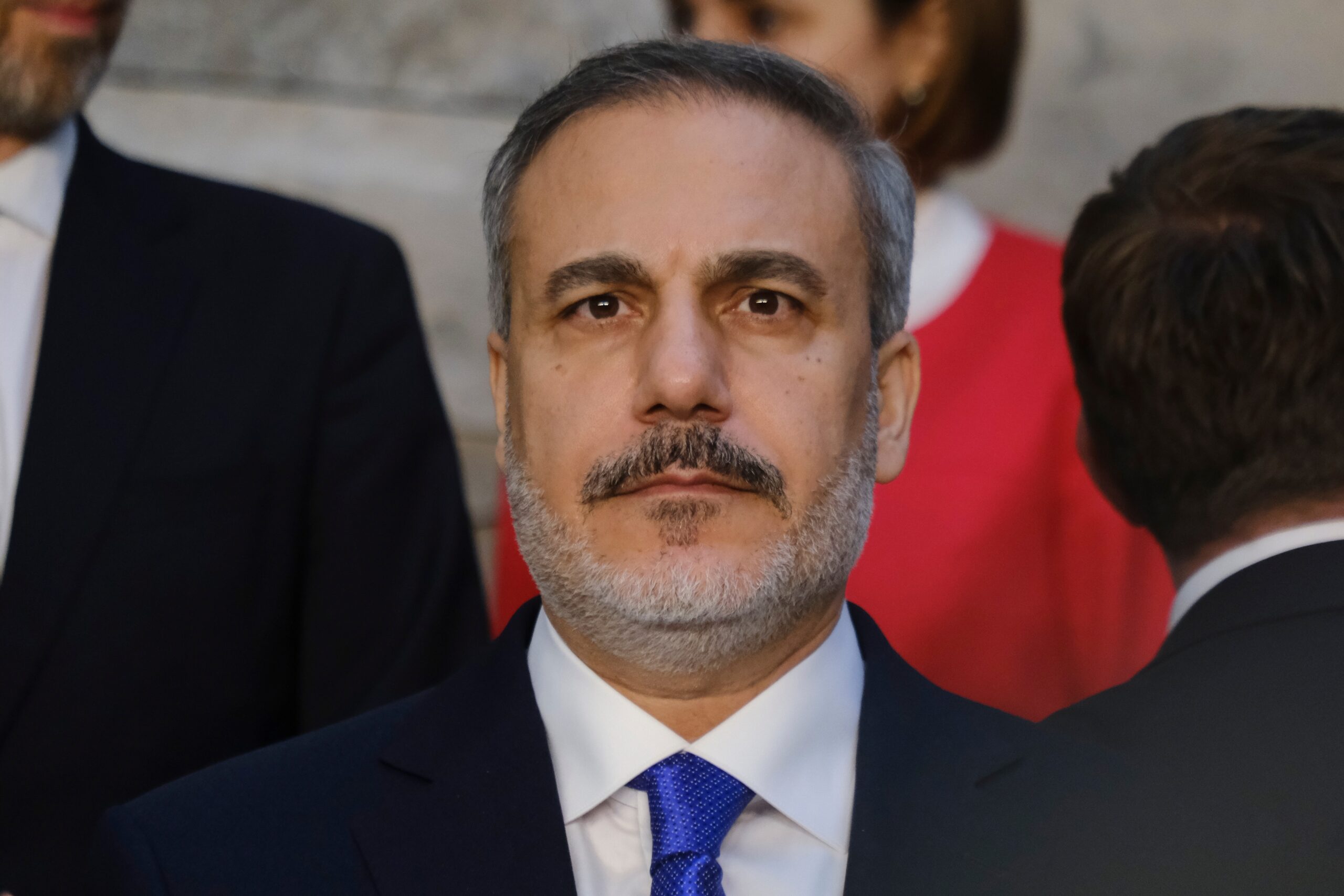
Speaking on the initiative, Fidan indicated that Cairo is poised to enter the pact once “certain technical issues” are ironed out, a development that would substantially broaden the emerging security framework in the Middle East.
The landmark agreement, signed on Friday by Saudi Crown Prince Mohammed bin Salman, Turkish President Recep Tayyip Erdoğan, and Pakistani Prime Minister Shehbaz Sharif, operates on a collective defense principle akin to NATO’s Article 5: an attack on any member state is treated as an attack against all. The pact establishes a ministerial committee and a permanent general secretariat based in Saudi Arabia.

Fidan sought to tamp down perceptions that the alliance is explicitly anti-Tehran. “Iran is not the target of this defense alliance. No one is a target unless they attack member states,” Fidan stated. He added, however, that maritime security in the Red Sea remains a vital mutual interest, prompting Ankara’s keenness to participate in regional maritime defense initiatives.
According to Fidan, Ankara’s long-term vision aims to expand the bloc beyond its three founding signatories to include other regional players. The agreement emphasizes defense industry cooperation, shared military technology, intelligence exchange, and joint military drills.
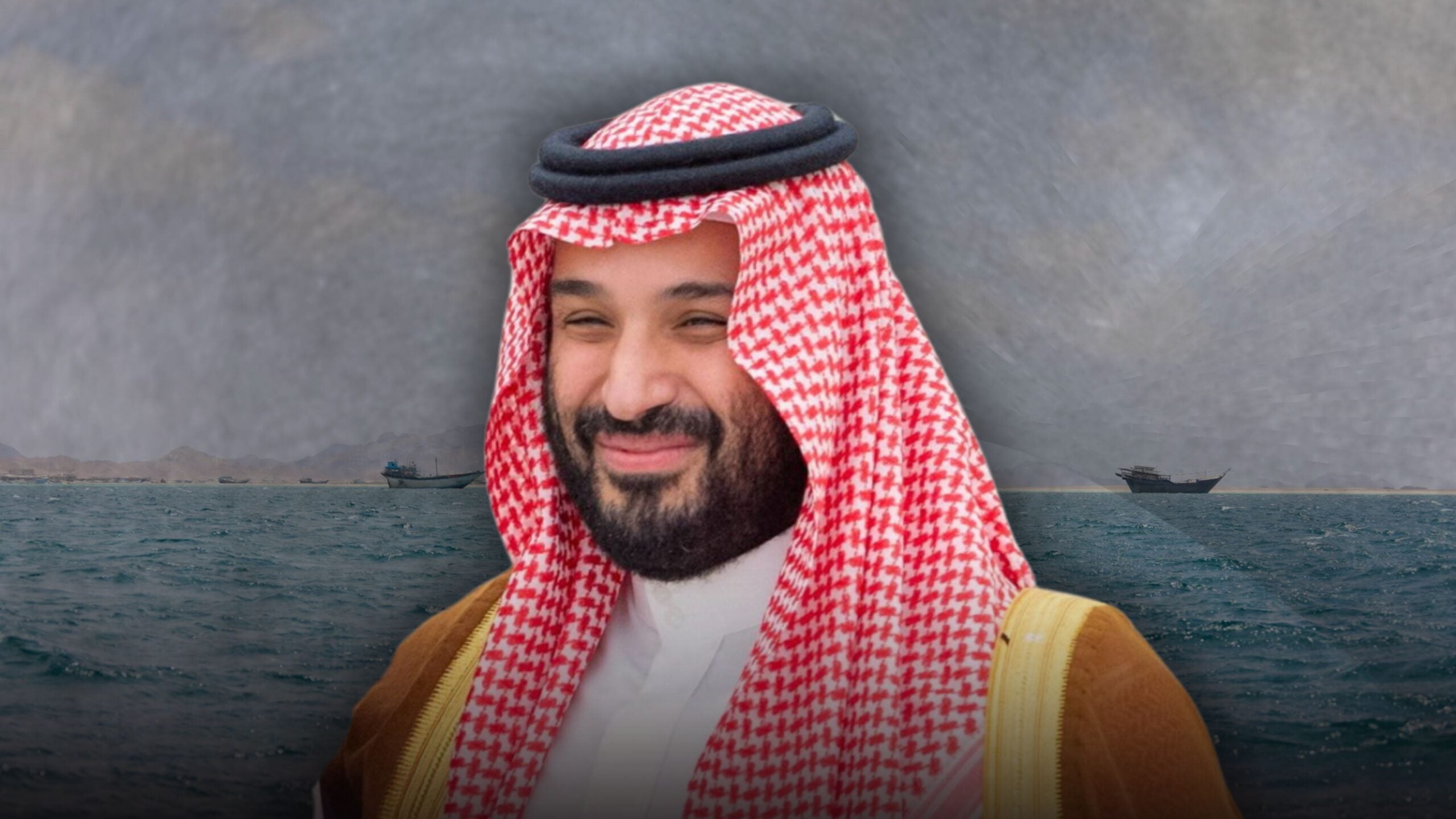
The pact’s formation comes amid heightened regional volatility, growing concern over Iranian proxy operations, and pushback across the Islamic world regarding Israeli actions. Pakistan’s defense minister openly called on Muslim-majority nations to unite against what he labeled common regional threats, while ongoing friction with Yemen’s Houthis continues to test regional maritime security.