



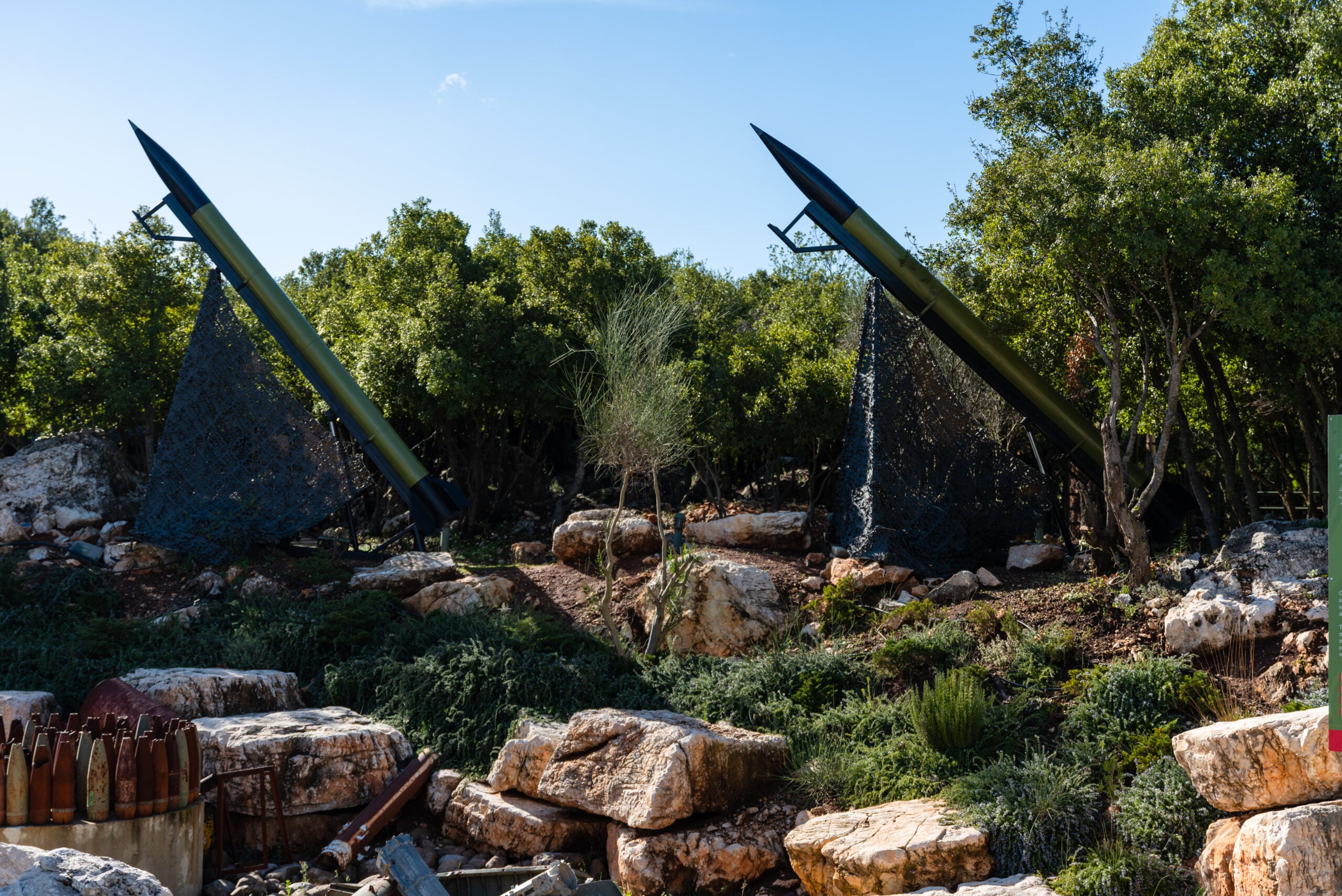
A new outline for removing terror group Hezbollah’s missiles and drones from Lebanese territory is being examined in regional talks, the Lebanese newspaper “An-Nahar” reported. According to the paper, the weapons will be transferred to Iran in coordination between Ankara and Tehran, and at the same time Israel will be required to fully withdraw from southern Lebanon.
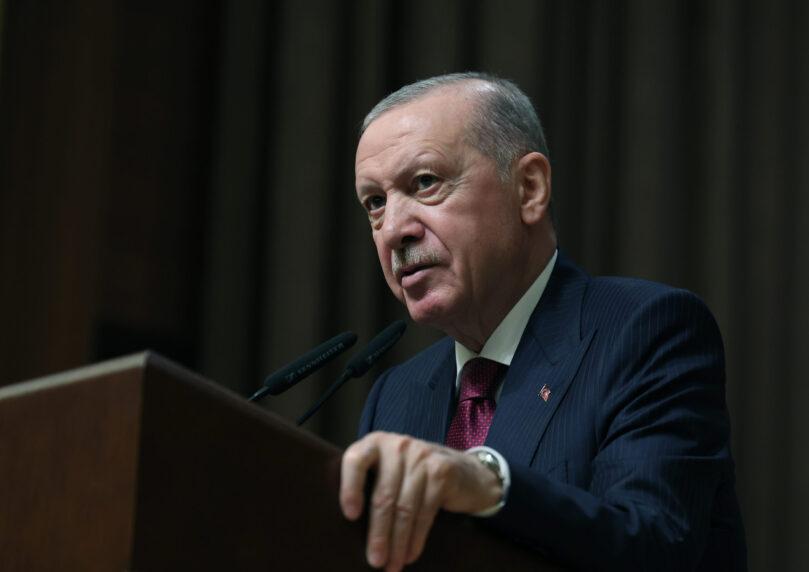
The possibility arose during a meeting held late last month by Lebanese President Joseph Aoun and Turkish President Recep Tayyip Erdoğan in Ankara. The two discussed the future of the terrorist group’s heavy weapons, with the goal of linking the dismantling of its main military capabilities with Beirut’s demand for an Israeli withdrawal.
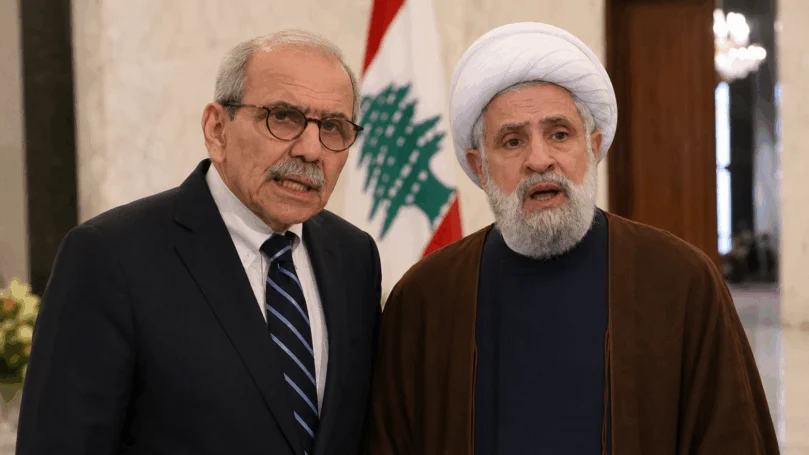
According to the report, the outline also includes a commitment from the United States and other countries that Israel will not attack Lebanese territory again after the arrangement is completed. However, the terrorists have not yet responded to the proposal.
Light weapons may remain in Hezbollah’s hands
Since his term began, President Aoun has maintained talks with Hezbollah leadership regarding the future of the organization’s arsenal. Among the options examined are the transfer of heavy weapons to the Lebanese army, their removal from the country, or their delivery in another framework to be agreed upon between the parties.
According to “An-Nahar”, the parties involved in the talks do not rule out the possibility that Hezbollah will continue to possess, at least in the first stage, light and medium weapons. The decision regarding these means of warfare will be postponed to a separate arrangement between the terror group and the Lebanese government.
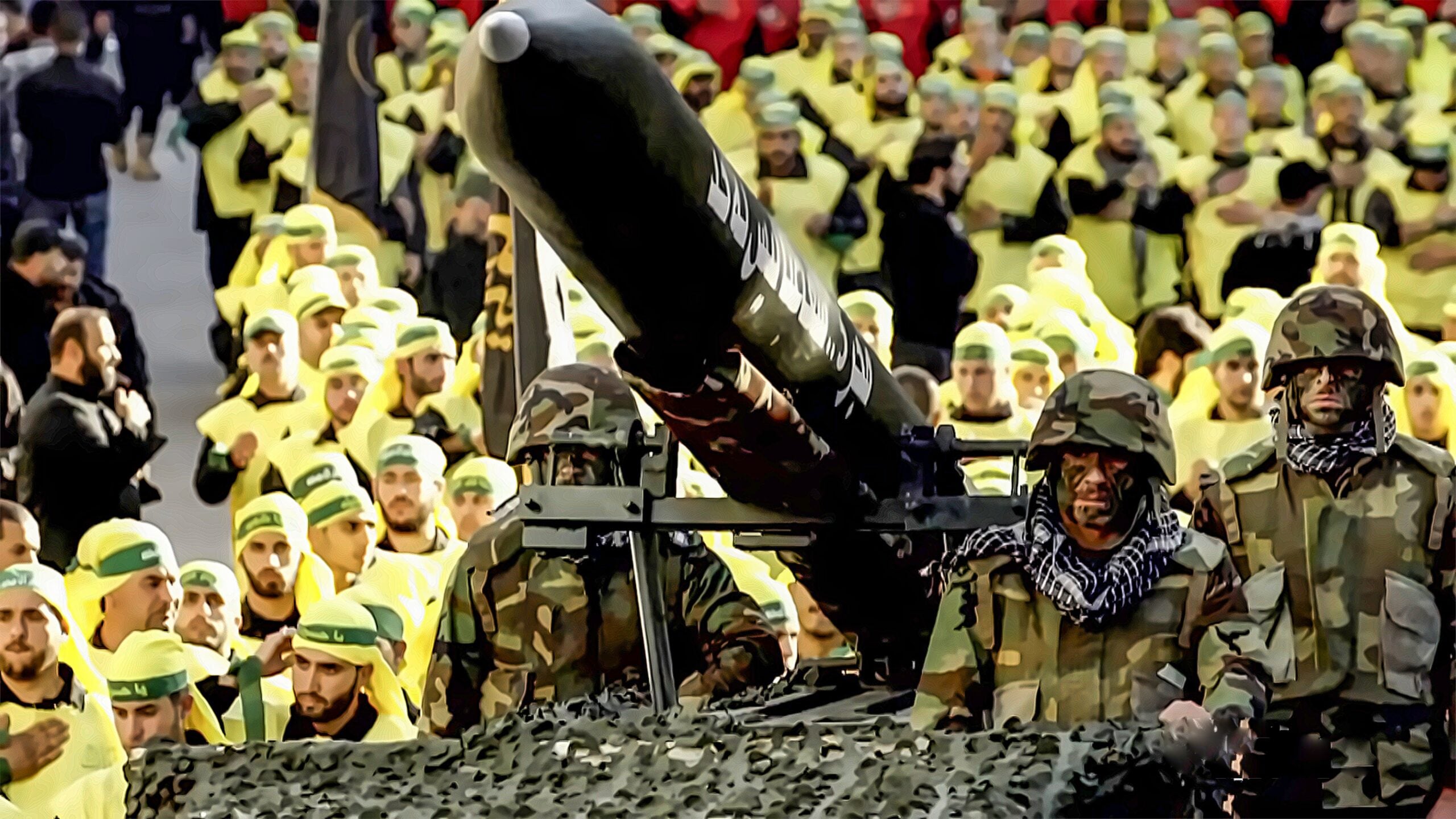
Hezbollah is currently awaiting developments in the talks between the United States and Iran. The organization hopes that broader agreements between Washington and Tehran, including understandings regarding the Strait of Hormuz, will help advance the outline on the Lebanese front.
Another issue that has not yet been decided is the identity of the international force that will be stationed along the border between Israel and Lebanon and will supervise the implementation of the arrangement. The issue was discussed in Rome and other capitals, but according to the publication, Israel has not yet has given its consent to deploying this type of force.
One option being considered: Turkish soldiers in southern Lebanon
Turkey has expressed its willingness to join the arrangement, but demands that the move be carried out in coordination with Iran and after the picture of relations between Tehran and the Trump administration becomes clearer. Ties between Ankara and Hezbollah also continue through security channels, but Turkey is dissatisfied with the organization’s history involvement in the Syrian civil war and its continued support for the Assad regime.
Ankara is not interested in seeing Hezbollah defeated by Israel. According to the report, Erdoğan expressed concern about the expansion of Israeli activity from southern Lebanon to southern Syria and the Gaza Strip. It is also claimed that he warned Syrian President Ahmed al-Sharaa against sending forces to Lebanon for the purpose of a confrontation with Hezbollah.
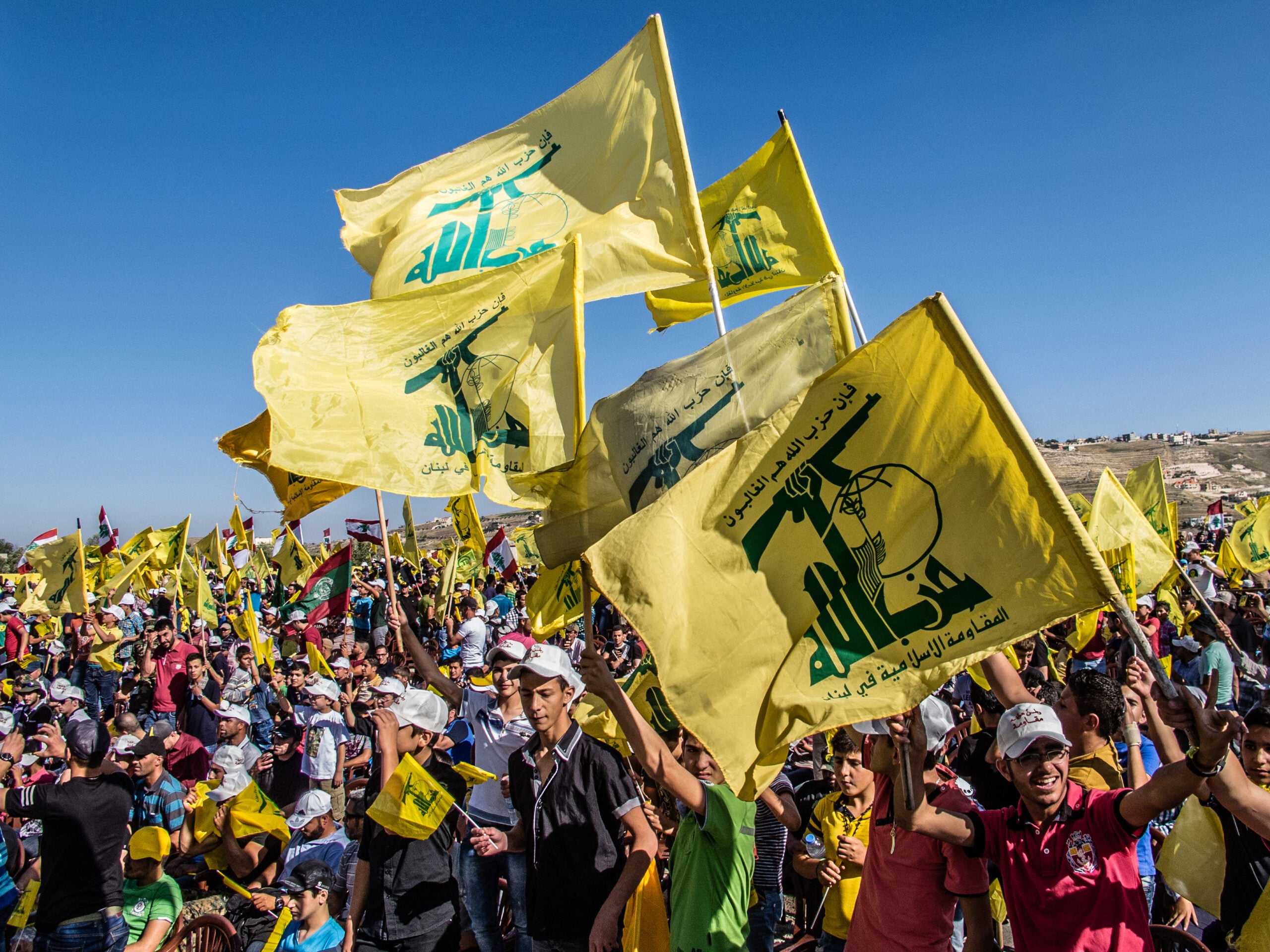
One of the options discussed is the deployment of a Turkish force in southern Lebanon as part of the international monitoring mechanism. Ankara clarifies that it will not agree to the move without prior coordination with Washington and regulation of the rules of engagement with Israel. “We cannot afford for a Turkish soldier to be killed by Israeli fire,” said a Turkish source quoted in “An-Nahar.”
So far, the talks have not yet matured into an agreement: Israel has not committed to a full withdrawal from the territories it holds in southern Lebanon, and Hezbollah has not yet responded to the outline intended to remove its missiles, drones, and heavy weapons.