




The Democratic Party in the United States has been undergoing a dramatic shift in recent years. While candidates previously required the backing of party leadership and mainstream media outlets to break onto the national stage, more and more progressive candidates are now building independent power bases through left-leaning podcasts, YouTube channels, social media, and live streams. These platforms allow them to bypass the establishment, raise funds, and connect directly with their audience.
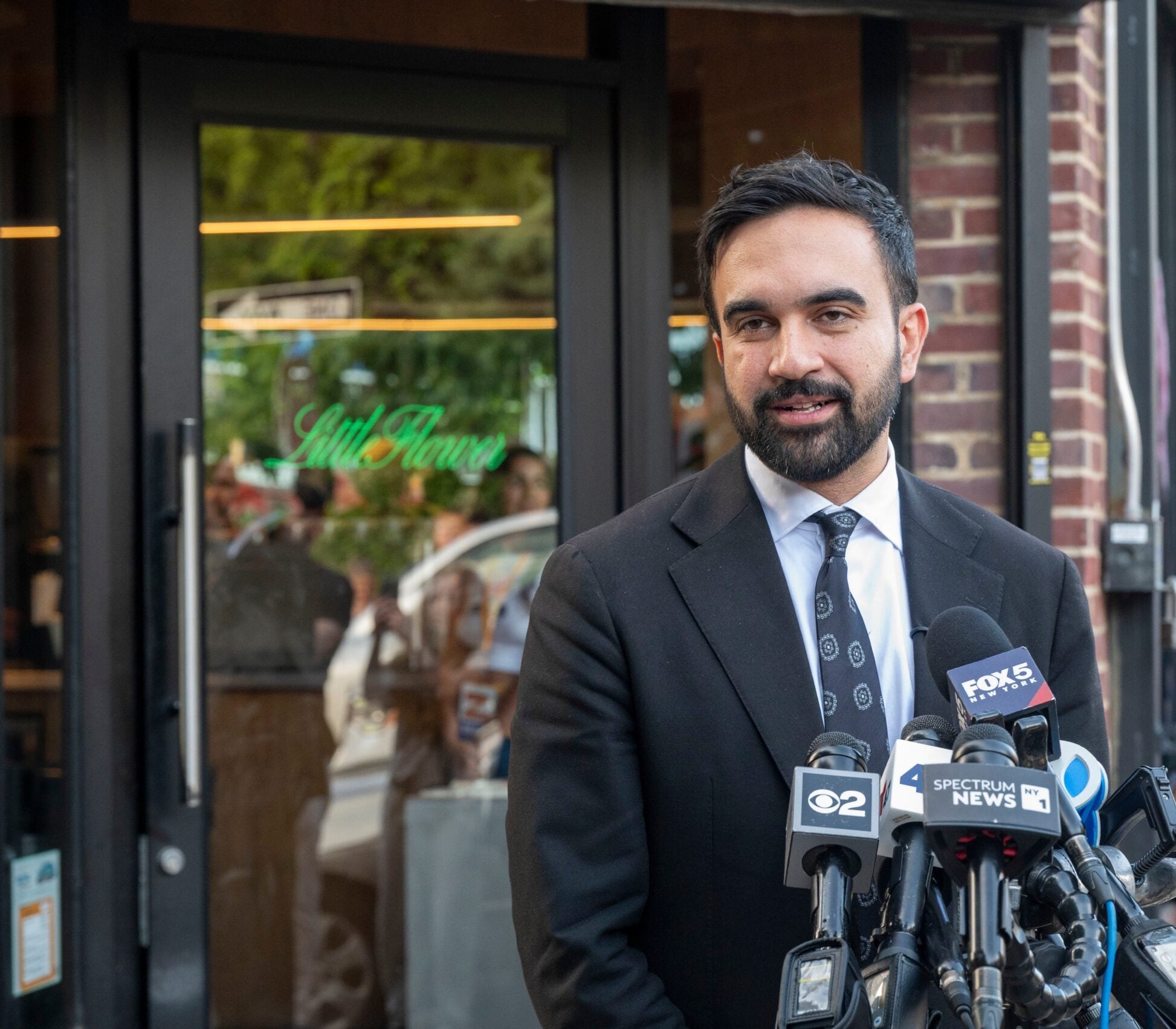
Reuters points out that this shift is reflected in a series of victories in Democratic primaries across the country. One example is Chris Rabb, a Democratic Socialist from Pennsylvania, who defeated a more moderate candidate after receiving extensive exposure on shows like The Majority Report with Sam Seder and Breaking Points. “It helps boost exposure, legitimacy, and fundraising ability,” he said. “It’s like a Venn diagram of success.”
However, the most significant test came in Michigan. Progressive candidate Abdul El-Sayed won the Democratic primary for the Senate against Congresswoman Haley Stevens, who was considered the preferred candidate of party leadership and backed by pro-Israel organizations and major donors. Despite massive budget disparities, El-Sayed managed to prevail in a key swing state where President Donald Trump won the 2024 presidential election.

El-Sayed’s victory carries broad significance far beyond Michigan. In recent years, progressive candidates have achieved success primarily in solidly Democratic states; however, this time the outcome occurred in a battleground state, leading many to view the result as a test for the future of the Democratic Party and the struggle between its moderate and progressive wings.
Among the key issues promoted by progressive media are support for universal healthcare, calls to abolish Immigration and Customs Enforcement (ICE), and demands to end military aid to Israel. Mehdi Hasan, former MSNBC host and founder of media outlet Zeteo, argued there is a “hunger for different perspectives,” adding that the same energy driving the success of alternative media outlets is also propelling new candidates forward.

The numbers illustrate the shift. Zeteo has approximately 700,000 subscribers on Substack—a nearly 50% increase in one year. The Majority Report channel has over two million subscribers on YouTube, with most of its audience under the age of 55. Progressive commentator Hasan Piker boasts over three million followers on Twitch, while other left-leaning podcasts reach millions of listeners and viewers.
Democratic strategists explain that the main advantage of these platforms is the ability to conduct long-form interviews and deep-dive discussions that are rarely possible on traditional television. Simultaneously, short clips can be distributed across social media to reach younger audiences. “We help generate initial excitement,” said podcast host Sam Seder. “Our audience includes many activists and people who lead advocacy organizations.”

Despite this success, criticism is also emerging. Researchers and strategists warn that this approach often amounts to “preaching to the converted,” which could deepen internal party divides and alienate moderate voters. Professor Hans Noel of Georgetown University noted that these media outlets successfully mobilize voters who feel the party platform isn’t bold enough, but warned that strongly ideological voices rarely compromise—a trait that could complicate matters for progressive candidates in general elections.
In Israel, developments are being monitored closely, primarily due to El-Sayed’s positions regarding the country. The candidate, who frequently accuses Israel of “apartheid” and “genocide,” has called for freezing US aid to Israel and opposed defining it as a Jewish state. His victory, along with the strengthening of other candidates from the progressive wing, is viewed by many as another signal of the ideological shift taking place within the Democratic Party—a shift that could impact US-Israel relations in the coming years.