


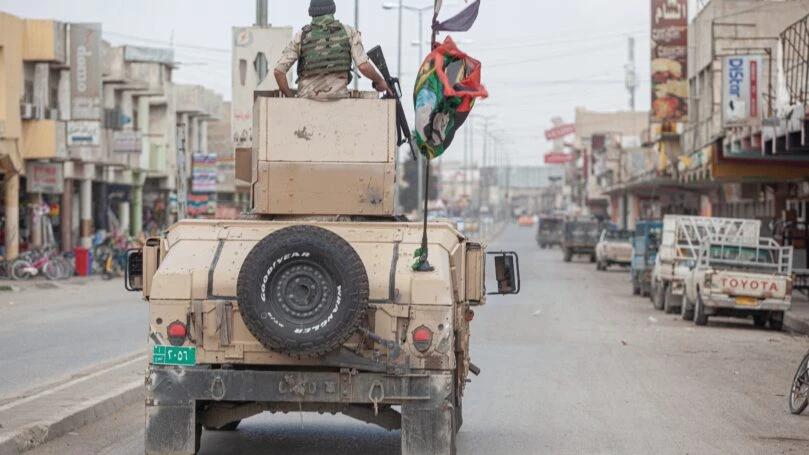

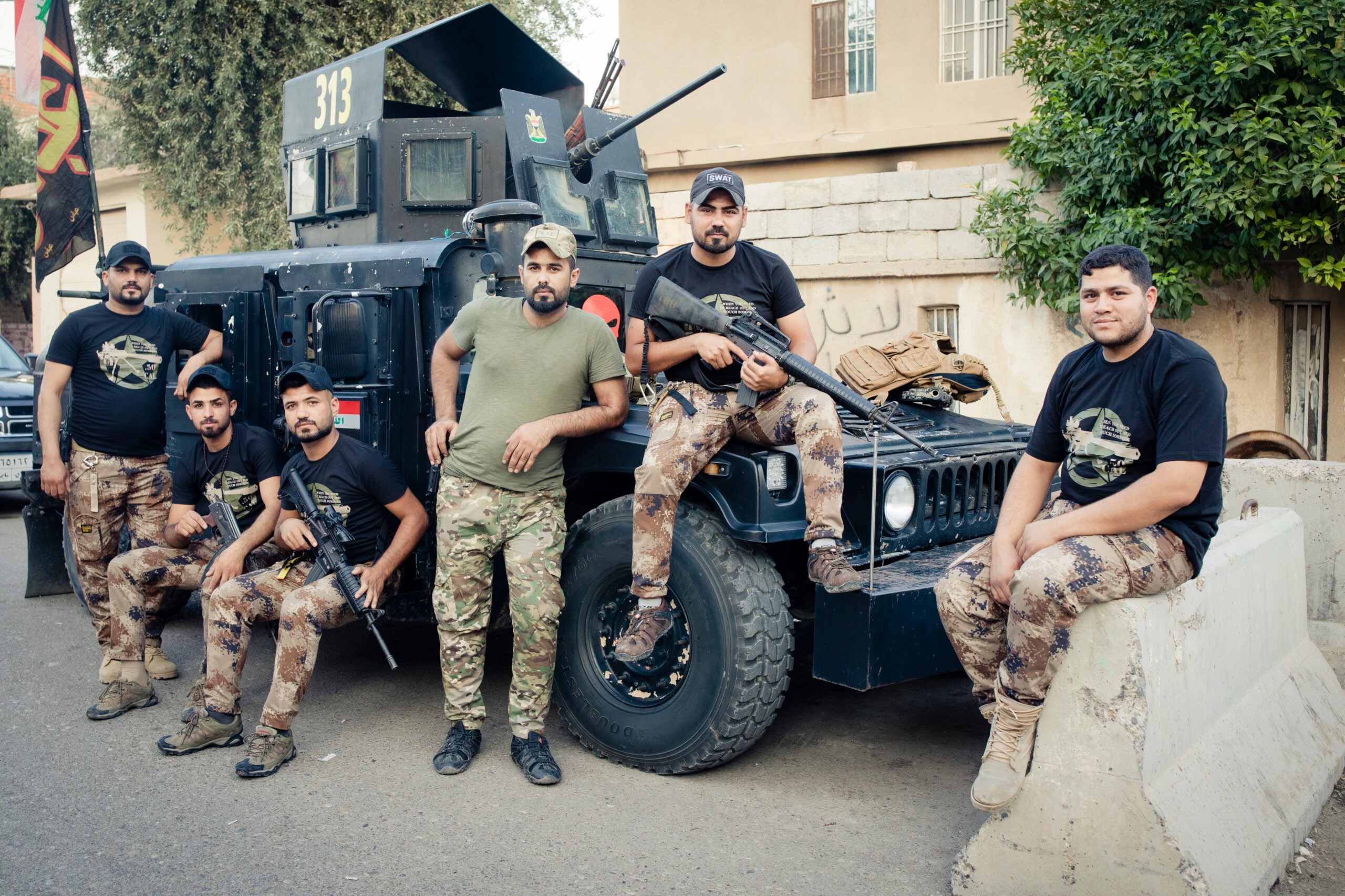
Iraqi security forces raised the alert level today (Thursday) across all camps and bases, alongside the deployment of counter-terrorism military reinforcements toward the capital, Baghdad. Saudi media reported that Iraqi soldiers are ready to act and respond to potential security developments—expected to stem from the Iranian proxy groups within the country.
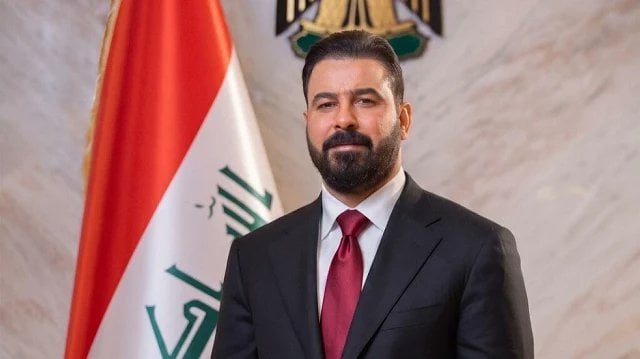
The new directives were distributed by the Commander-in-Chief of the Armed Forces, Prime Minister Ali al-Zaidi, as reported by the official Iraqi news agency. In this context, Iraqi security sources reported that pro-Iranian terror organizations in the country have redeployed on the ground and are expected to continue operating and striking targets at Iran’s behest—as they recently did in Saudi Arabia.
The situation recently escalated after Saudi Arabia and the US retaliated against the Iranian proxy and struck various targets across al-Zaidi’s country. Now, precisely after attempting to distance his country from any potential conflict, Iraq is on the brink of an internal war between the local army and terror organizations—in what appears to be a continuation of the US-Iran conflict spilling over onto Iraqi soil.
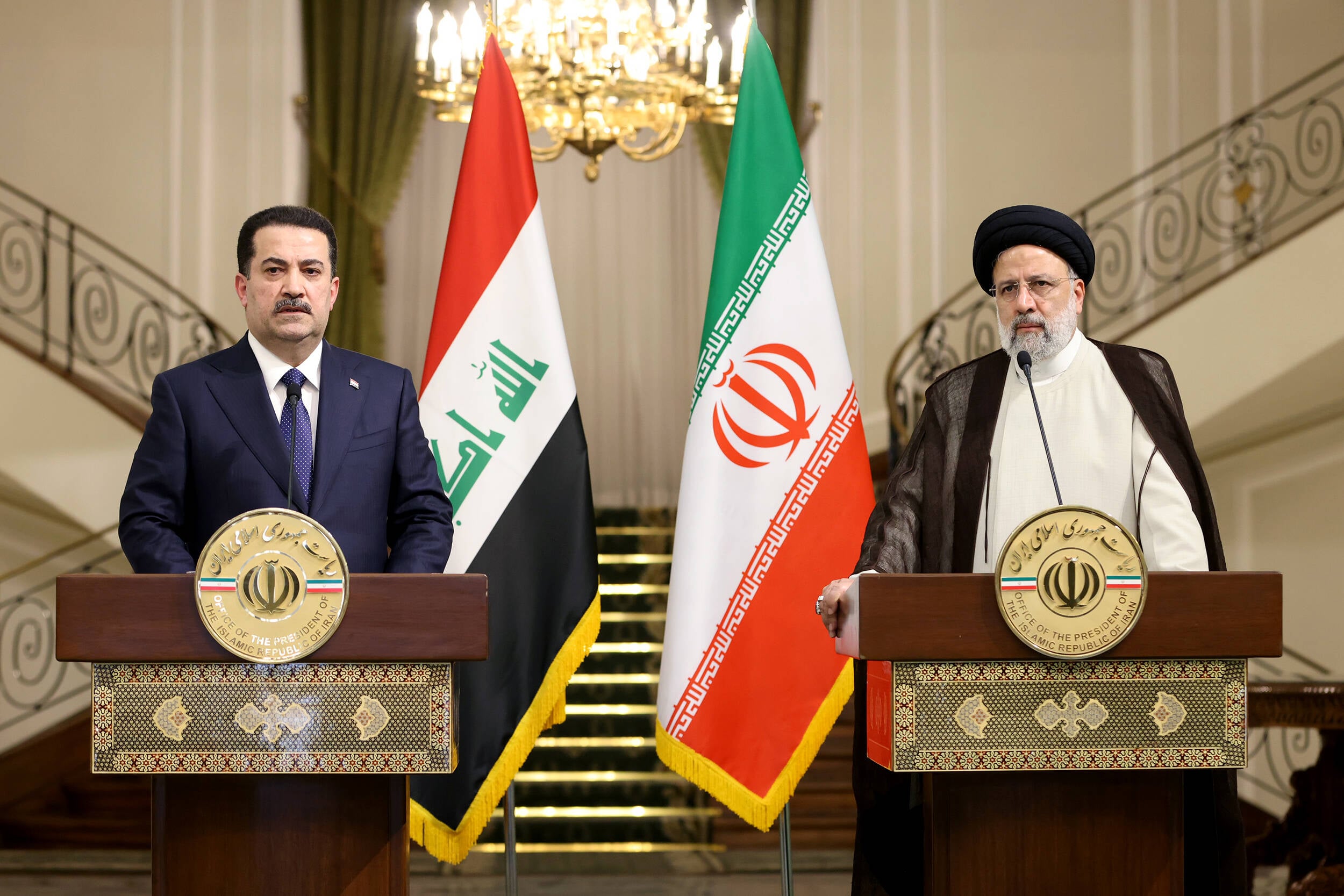
Since taking office at the end of last April, al-Zaidi—an inexperienced businessman and politician—aimed to pull Iraq out of its era of wars, distance it from any regional conflict, and maintain good relations with all countries in the region (except Israel). To that end, al-Zaidi met with regional leaders, with US President Trump in Washington, and even visited Tehran.
In recent years, Iraq had transformed into an Iranian client state, as pro-Iranian Shiite terror organizations flooded the territory, entered politics, and became part of the government. Consequently, Iraq became a major asset for Tehran, where senior regime officials and the Revolutionary Guards could roam freely (with the exception of Qasem Soleimani, who was eliminated) and even funneled weapons through it into Assad’s Syria and onward to Hezbollah in Lebanon.
Trump sought to change this dynamic, leveraging the Iraqi elections to pave al-Zaidi’s way to the premiership. The President requested that once assuming the role, al-Zaidi must sever ties with pro-Iranian elements. Al-Zaidi tried, but the task of forming a government in Iraq—a country with a Shiite civilian majority, including al-Zaidi himself, which supports Iran as the premier Shiite state—without elements backed by Iran was nearly impossible from the start.
The failure to form a government excluding pro-Iranian elements consequently led to difficulties in disarming the pro-Iranian terror organizations. These groups, which exert military control over the country and have even attacked Israel at the Iranian regime’s request, are ultimately more loyal to the Islamic Republic than to the local government (which, prior to al-Zaidi, was itself subordinate to Tehran).
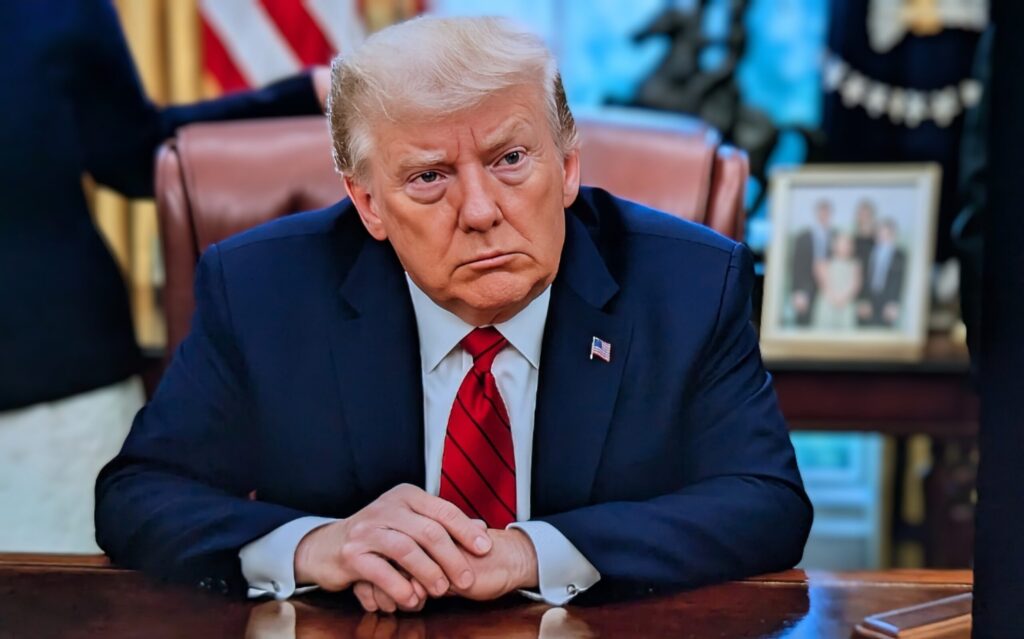

As noted, the Iraqi army is now preparing for a ground confrontation against the pro-Iranian organizations, at a time when reports suggest Iran and the US are nearing a certain framework agreement in the Strait of Hormuz. Therefore, the question arises: Will Trump risk the progress in negotiations and intervene militarily to save his new project in Baghdad?