


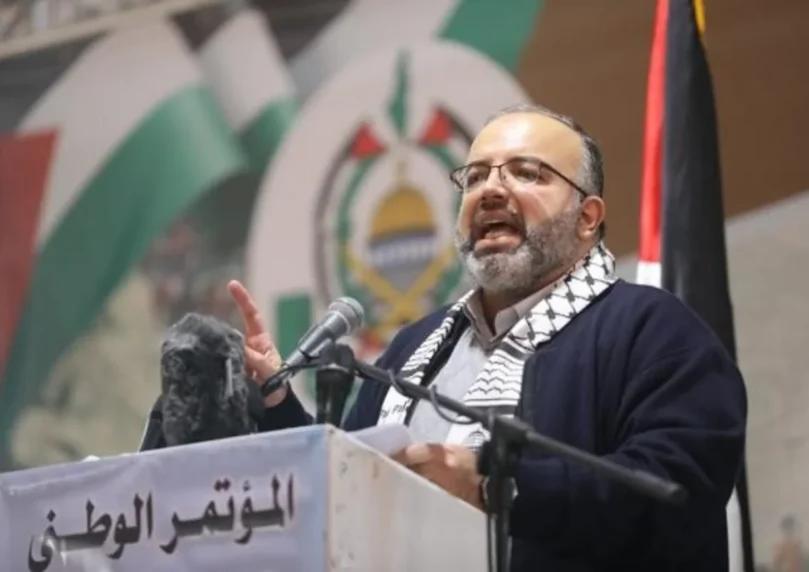

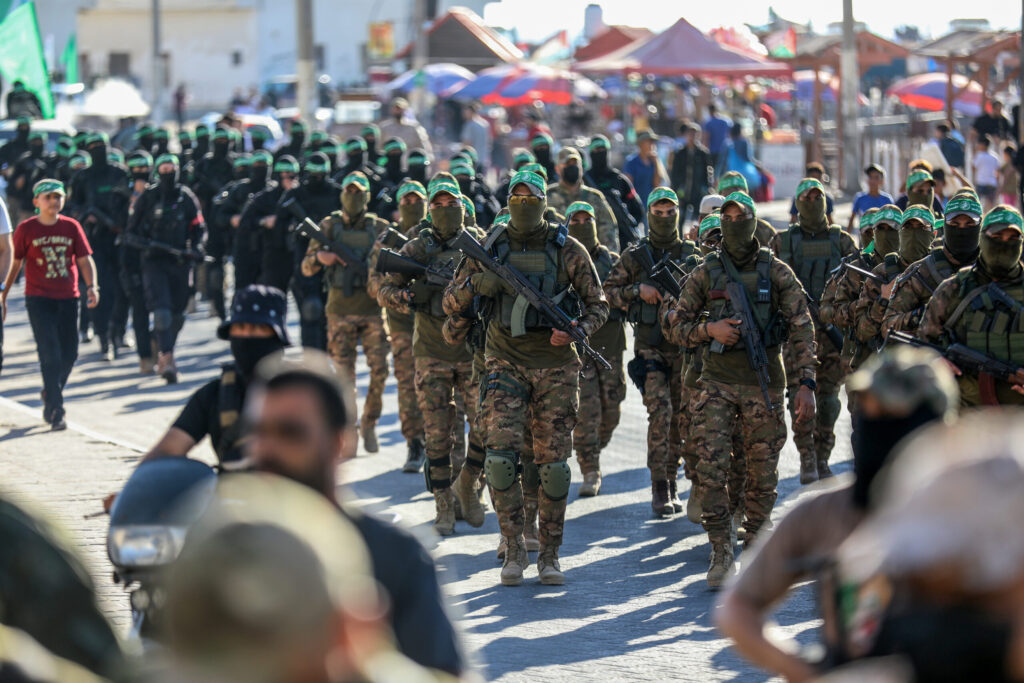
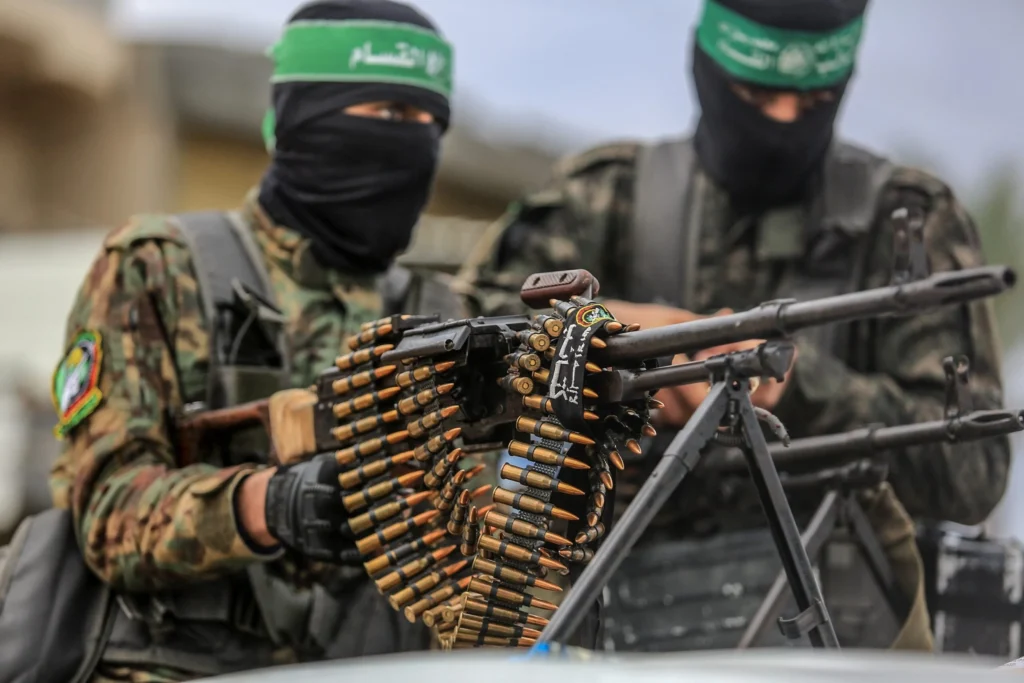
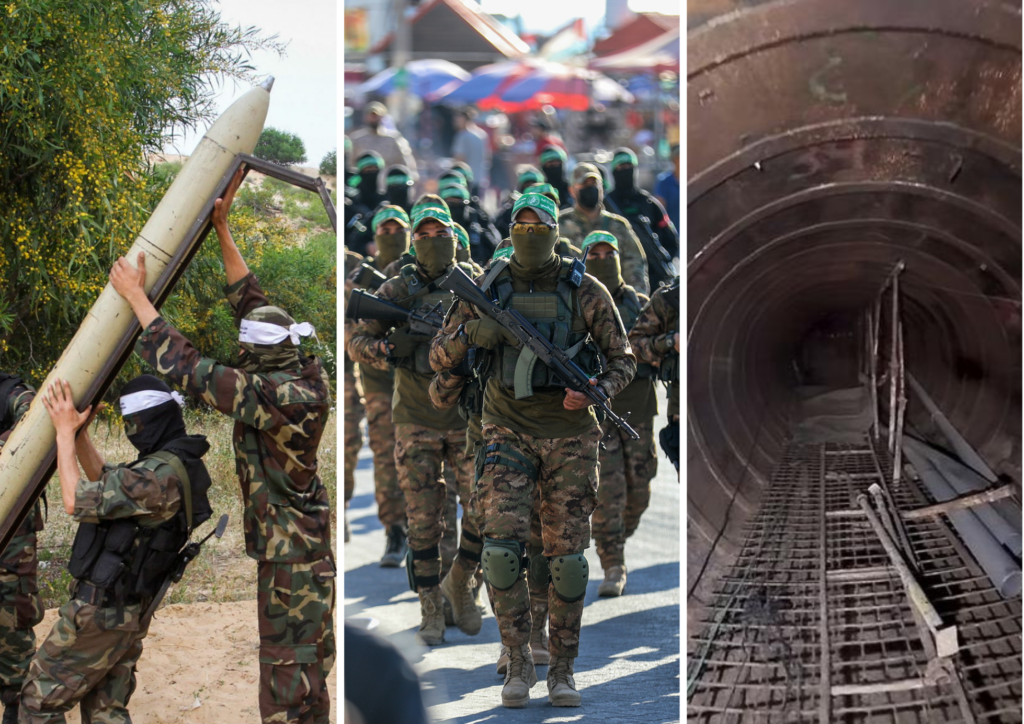
Ali al-Amoudi was recently appointed as the terrorist leader of Hamas in the Gaza Strip following the terror group’s internal elections. He assumes this position at a time when Hamas is facing intense international diplomatic pressure demanding the dismantlement of its military capabilities—from the Kalashnikov rifle, the traditional symbol of armed resistance, to the complete dismantling of the organization’s military production infrastructure throughout the Gaza Strip.

 20+
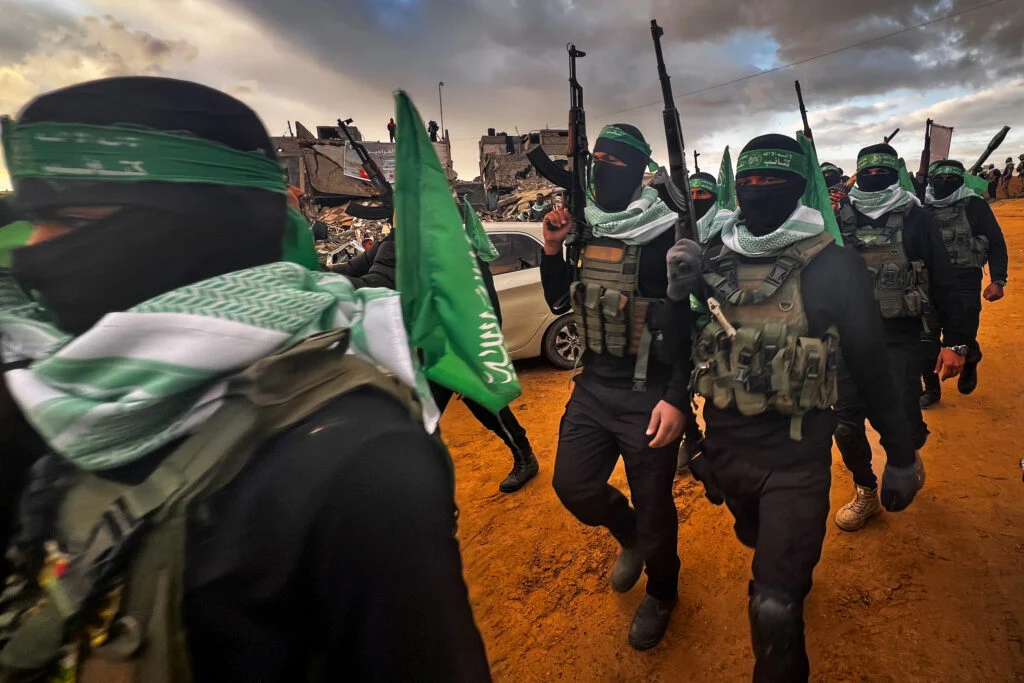
20+Any reasonable observer understands that Hamas has no intention or desire to voluntarily surrender its weapons. Such a move would effectively bury the historical source of the terror group’s power: the military framework identified with the Izz ad-Din al-Qassam Brigades, Hamas’ armed wing named after the prominent jihadist figure.
 20+
20+For Hamas, weapons represent far more than a military tool. They constitute a central source of the terror organization’s honor, prestige, and identity as a jihadist organization determined to pursue an uncompromising struggle against those it defines as infidels ruling over sacred Islamic lands.
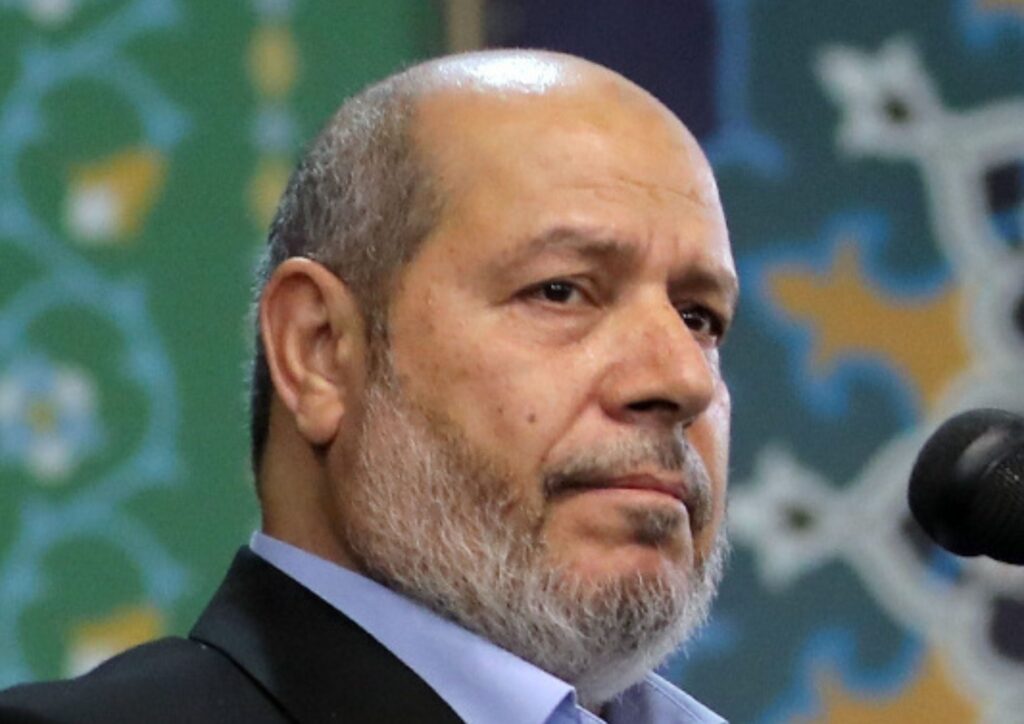
This worldview was clearly reflected in the inaugural speech delivered by Hamas Political Bureau chief Khalil al-Hayya before the cameras of the Qatari media network Al Jazeera: “We will continue on the same path of jihad toward victory in Haifa, Jaffa, Safed, and the Negev—pure Arab land.”
 20+
20+The Test Facing Hamas’ New Leader
At this moment, many eyes within the Gaza Strip—and across the broader so-called ‘Axis of Resistance’ —are focused on Hamas’ new leader in Gaza, Ali al-Amoudi, particularly regarding the question of whether Hamas will be forced to dismantle its military capabilities.
 20+
20+The central question is whether al-Amoudi will succeed in maneuvering under the heavy international political pressure exerted by the Board of Peace, which is pushing Hamas in Gaza into an increasingly difficult position while demanding that the terrorists relinquish their weapons.
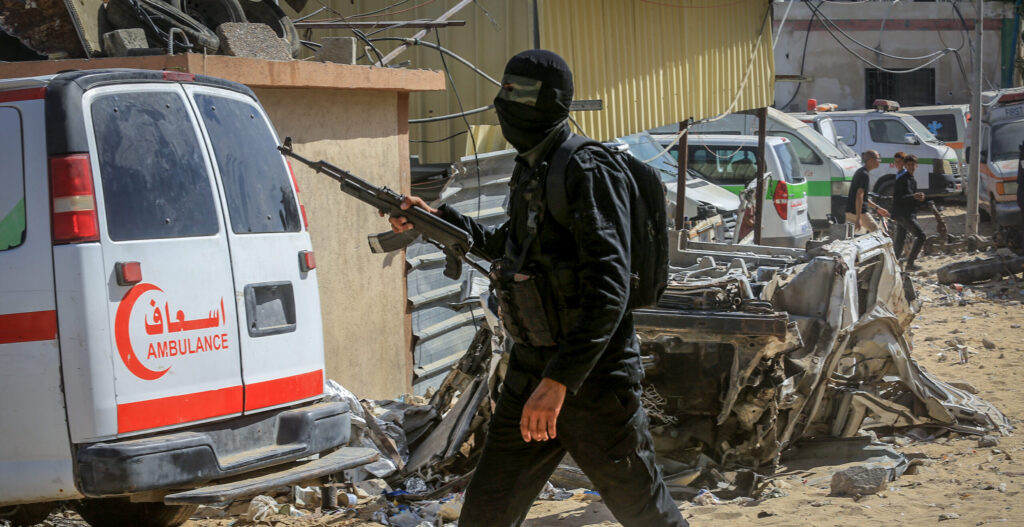
At the same time, another fundamental question remains: will al-Amoudi succeed in rebuilding, from the ruins of war, an exhausted and weakened organization that has suffered a devastating blow since the outbreak of the war in October 2023?
 20+
20+And if he does succeed in rebuilding Hamas, will he restore the terror structure to its traditional form in the Gaza Strip—as a terrorist army that it became following Ahmed al-Jaabari’s takeover in the summer of 2007—or will he be forced to introduce substantial changes in an attempt to construct a different model suited to the new reality facing Hamas?
The Bureaucrat Tasked with Rebuilding Hamas
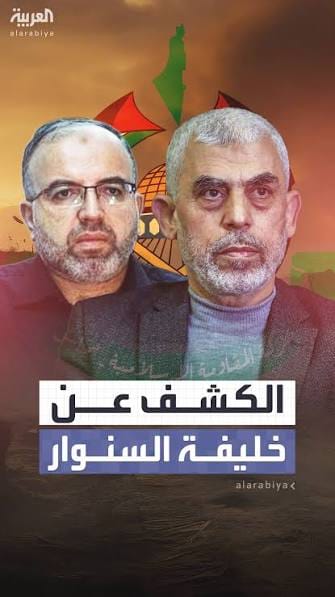
Much of al-Amoudi’s influence stems from his identity as a bureaucrat and an organizational figure—someone whose strength lies in administration, structure, and rebuilding institutions.
 20+
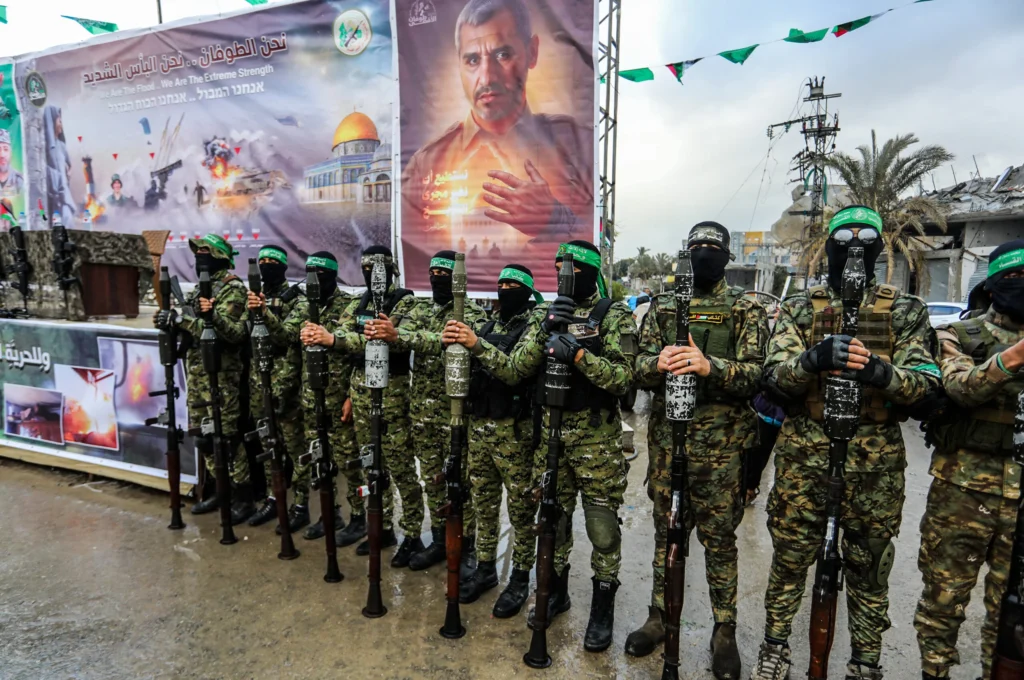
20+On this matter, Dr. Harel Chorev, a senior researcher of Arab affairs at the Moshe Dayan Center for Middle Eastern and African Studies at Tel Aviv University, stated in an interview with Channel 14: “Al-Amoudi is a bureaucrat who likely possesses a greater ability than others to rebuild a destroyed organization. He can carry out new appointments within Hamas’ military wing, the Izz ad-Din al-Qassam Brigades, creating alternatives to those who were killed or wounded during the war. His primary mission is to build, almost from nothing, a new infrastructure for an organization that may need to undergo fundamental changes rather than simply return to what it was in the past, but instead build something different that is better suited to the current military and political reality Hamas faces.”
 20+
20+The Mastermind of Hamas’ Media and Psychological Warfare
Another important aspect of al-Amoudi’s profile is his role as a strategist in the fields of media and psychological warfare. Dr. Harel Chorev further adds: “He is highly capable in the field of psychological and media operations, through which he has done much to undermine the legitimacy of the State of Israel in the West. In this regard, he was second only to the jihadist propagandist Abu Obeida.”
 20+
20+From Possible Successor to Hamas Leader
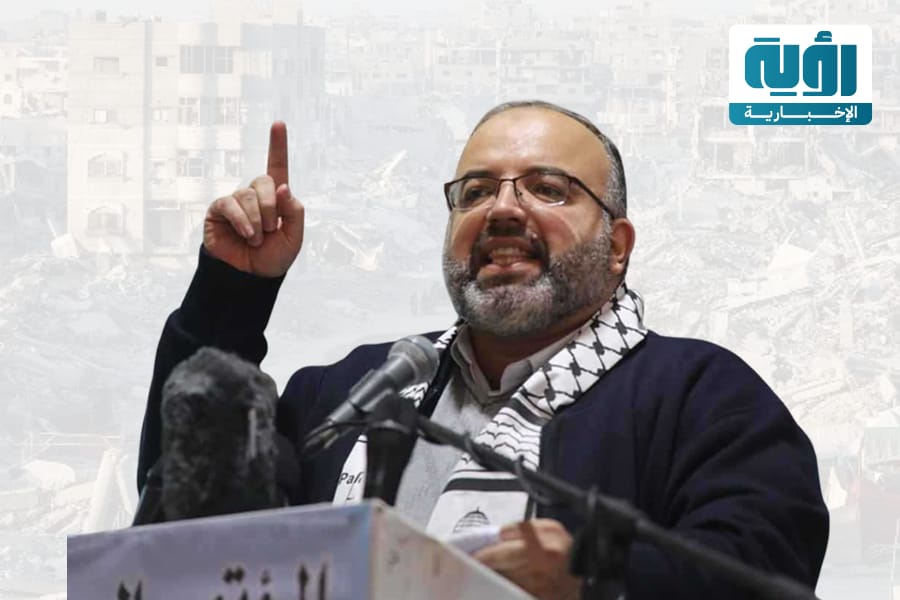
Ali al-Amoudi’s name first emerged publicly in November 2025, when the Saudi newspaper Asharq Al-Awsat identified him as a possible successor to Yahya Sinwar as the next leader of Hamas in the Gaza Strip. At the same time, however, unofficial Israeli assessments, alongside Hamas researchers and Arab affairs journalists, identified another realistic candidate: Tawfiq Abu Naim.

Abu Naim had maintained a long-standing relationship with Yahya Sinwar dating back to the 1980s, when the two operated together within Hamas’ notorious internal security apparatus, al-Majd. The two were later imprisoned together in Ashkelon Prison, from which they attempted to escape in the early 1990s. The fact that both names emerged as realistic possibilities for Hamas’ leadership succession was not coincidental. Both men belonged to Sinwar’s broader circle for many years.
 20+
20+Nevertheless, neither of them was actually part of Hamas’ innermost decision-making circle. Their prominence was largely the result of their survival following the extensive campaign of targeted killings against senior Hamas figures in the Gaza Strip—a campaign that formed part of a broader strategy of leadership decapitation and one of several strategic tools employed in the war against terrorist organizations affiliated with the Iranian-backed Sunni-Shiite Axis of Resistance.
The Leadership Circle That Shaped Hamas
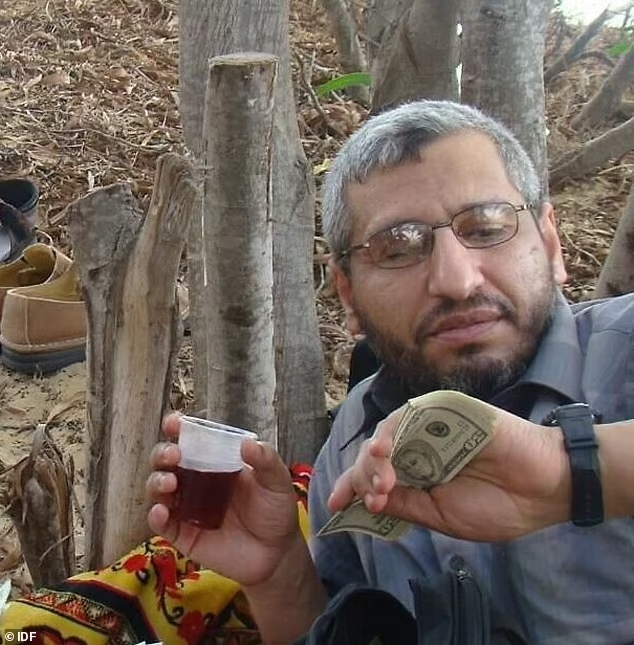
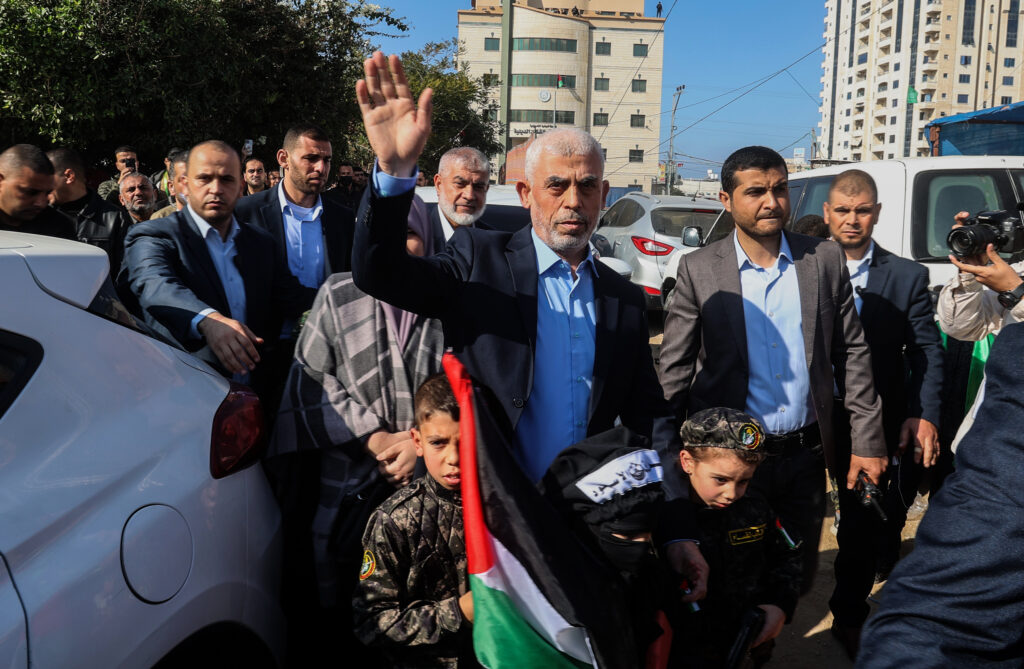
In this context, joint research conducted by Dr. Harel Chorev and former senior Shin Bet official Adi Rotem sheds light on Hamas’ internal leadership structure: “The quartet consisting of Yahya Sinwar, Mohammed Deif, Marwan Issa, and Rawhi Mushtaha constituted for years the primary decision-making nucleus within the movement.”
 20+
20+This remained the reality until the morning of the October 7 massacre, and arguably continued to shape Hamas’ leadership structure afterward, until these figures were eliminated one after another during the war with Israel.
Dr. Harel Chorev further explains regarding Ali al-Amoudi: “He was one of Yahya Sinwar’s closest trusted associates within a highly compartmentalized environment. They sat together in prison, and the two were released together as part of the Shalit Deal. From Sinwar’s perspective, this was extremely significant.”
 20+
20+A Prison Relationship That Shaped Hamas’ Future
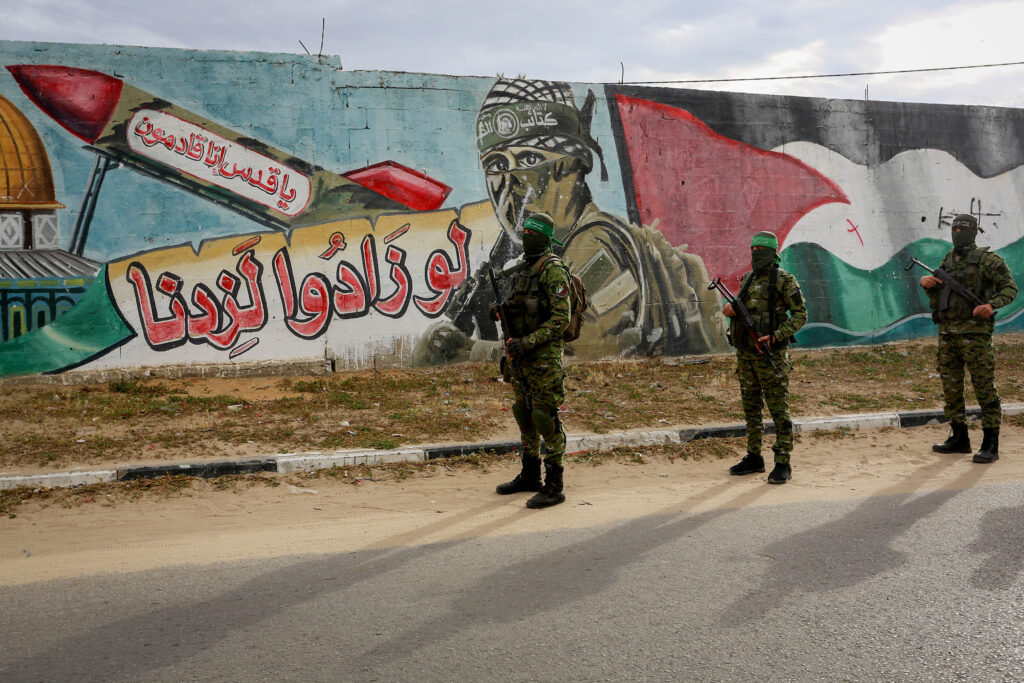
Ali al-Amoudi first arrived in the Gaza Strip following his release from Israeli prison in the autumn of 2011, as part of the prisoner exchange agreement known as the Shalit Deal, which secured the release of Israeli soldier Gilad Shalit for 1,027 terrorists. He had served approximately 17 years in prison for his membership in an Izz ad-Din al-Qassam Brigades terrorist cell that operated in the Ramallah area and carried out the murder of Shin Bet coordinator Noam Cohen, of blessed memory, in February 1994 in the town of Beitunia.
 20+
20+Upon his release, Israel’s security establishment decided to deport him to the Gaza Strip together with 163 additional terrorist operatives. The overwhelming majority of them were affiliated with the military circles of the Izz ad-Din al-Qassam Brigades in Judea and Samaria, and had been involved in terrorism against Israeli civilians during the era of the Oslo Accords in the 1990s and during the Second Intifada in the early 2000s.
The 163 Deportees and Hamas’ Judea and Samaria Headquarters
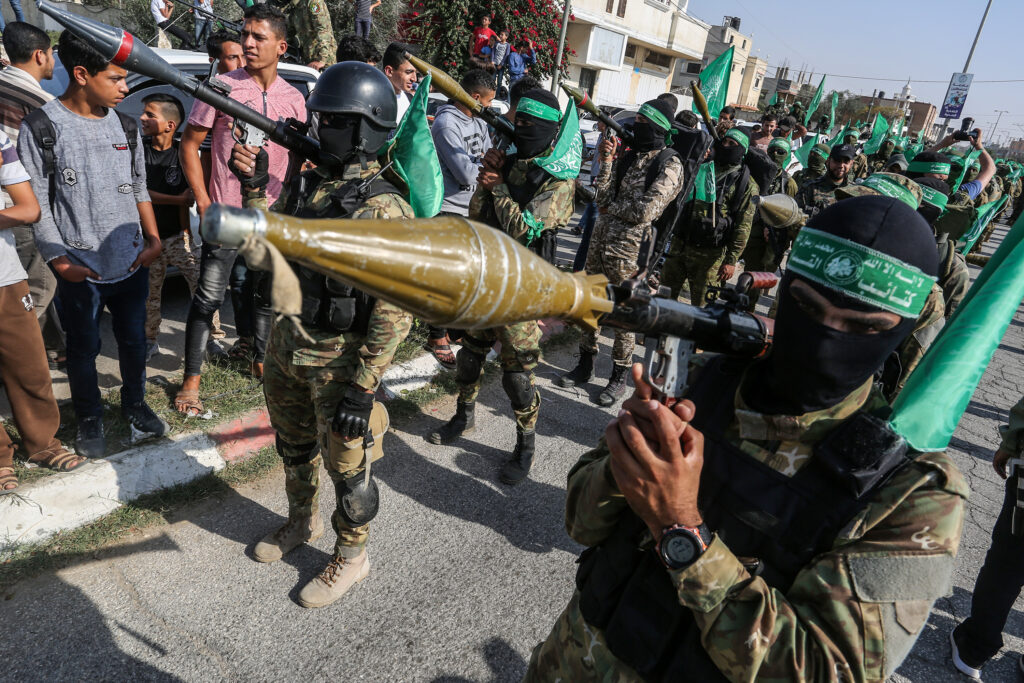
Over time, some of these deportees played a central role in establishing and strengthening a sophisticated Hamas terrorist infrastructure known as the Judea and Samaria Headquarters.
 20+
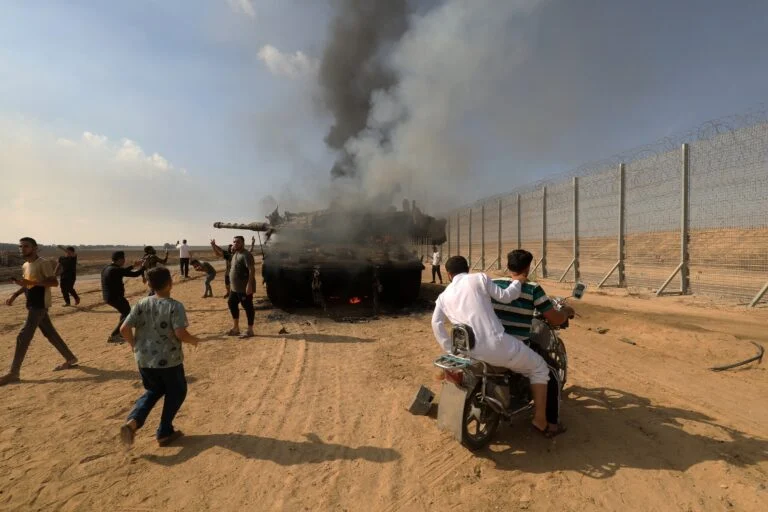
20+Through this framework, several key Hamas figures—including Ayman Abu Daoud, Mahmoud Qawasmeh, Zakaria Najib, and Amir Dukkan—directed terrorist activity throughout Judea and Samaria, relying extensively on their broad familial and sociological networks across the region.
These networks became a significant component in Hamas’ efforts to maintain and expand its operational capabilities beyond the Gaza Strip.
 20+
20+From Prisoner to Sinwar’s Chief of Staff
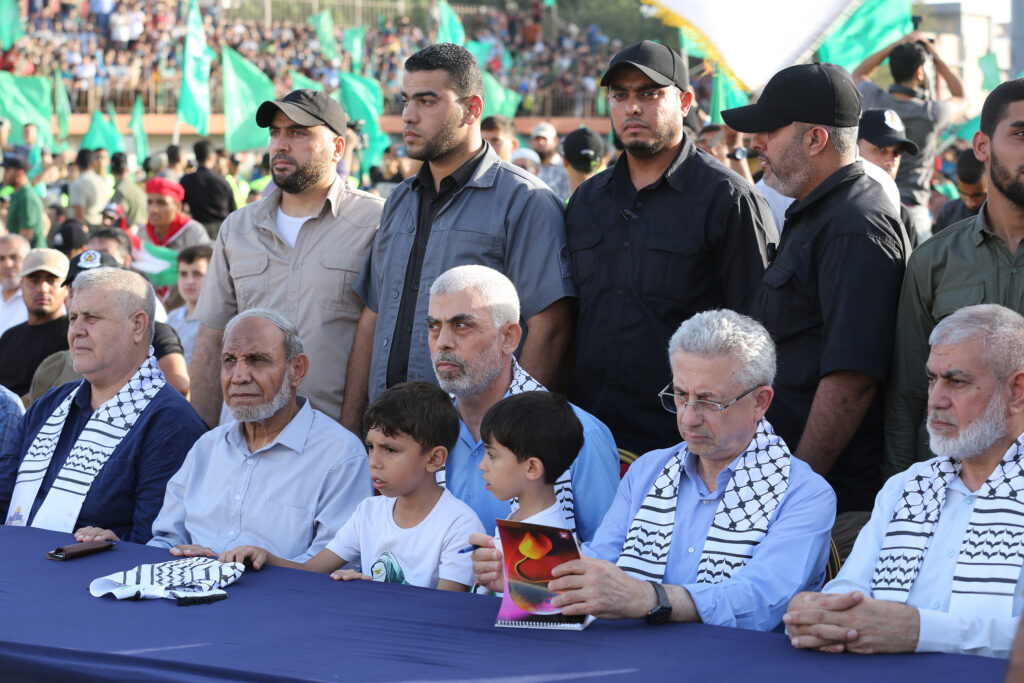
Unlike many of those released as part of the Shalit Deal, Ali al-Amoudi did not return to the militant operational circles of the Izz ad-Din al-Qassam Brigades, nor did he become part of Hamas’ Judea and Samaria Headquarters. Instead, as a trusted associate of Yahya Sinwar since their shared years in Israeli prison, al-Amoudi gradually assumed a different role within Hamas.
 20+
20+Following Sinwar’s rise to leadership of Hamas in the Gaza Strip in early 2017, al-Amoudi became his Chief of Staff and an integral member of his inner circle. His importance did not derive from direct battlefield command, but rather from his organizational capabilities, loyalty, and proximity to Sinwar—qualities that positioned him as one of the figures capable of managing the reconstruction of Hamas after the devastating blows suffered by the terror organization during the war.
 20+
20+Hamas After the War: Collapse or Transformation?
Although Hamas’ future in the Gaza Strip currently remains uncertain, and although the terror groups could potentially disappear from the collective consciousness if it is dismantled as a military organization, Israel must nevertheless prepare for another possibility: the transformation of Hamas rather than its disappearance. The terror organization may change its organizational structure while preserving the ideological foundations that have guided it since its establishment.
 20+
20+These foundations originate from the ideological framework of the Muslim Brotherhood, whose worldview continues to include uncompromising hostility toward the existence of a Jewish state and the pursuit of its strategic objectives through jihadist ideology.
The challenge facing Israel is therefore not limited solely to Hamas’ military capabilities, weapons, or command structure.
 20+
20+The deeper challenge lies in the possible continuation of the ideological infrastructure that sustains the terror organization, even if Hamas is forced to alter its organizational model.
The Strategic Challenge Facing Israel
The continued survival of figures such as Ali al-Amoudi and others in the Gaza Strip—only a short distance from Israel’s Jewish communities—must be examined within a broader strategic context.
 20+
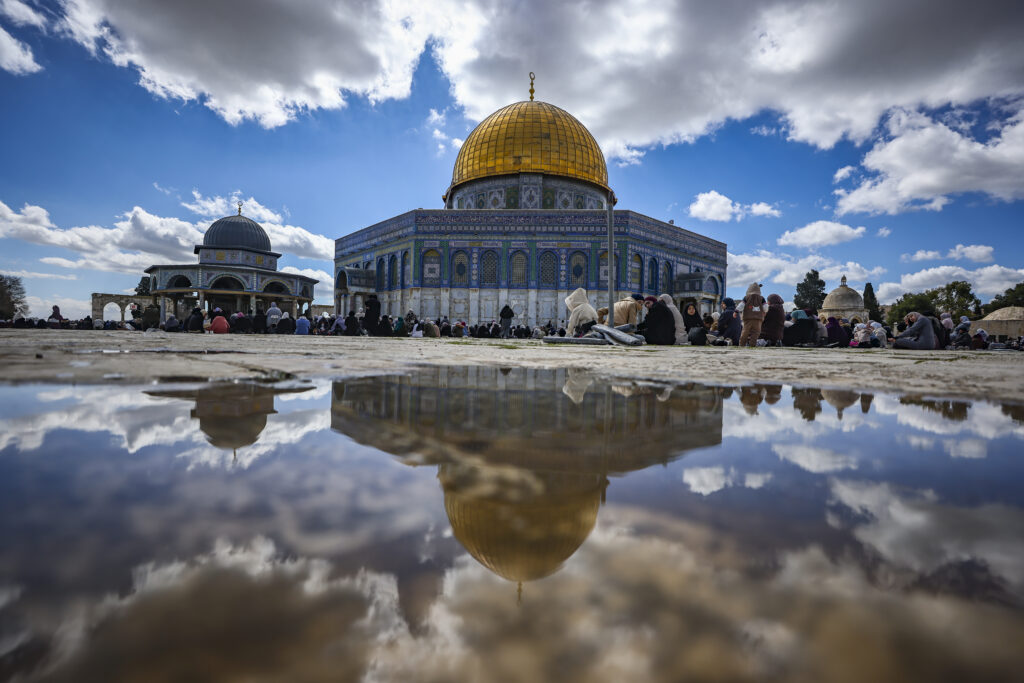
20+They represent an ideological current within Hamas that remains committed to jihad against the State of Israel and its Jewish citizens, while maintaining ties with the broader Iranian-backed Axis of Resistance and operating under the influence of strategic guidance from circles connected to the Islamic Revolutionary Guard Corps (IRGC) in Iran. For this worldview, the ultimate ideological and religious objective remains the “liberation” of Jerusalem and the Al-Aqsa Mosque.
 20+
20+Therefore, even if Hamas undergoes structural changes in the aftermath of the war, Israel must take into account that organizational transformation does not necessarily mean ideological transformation. The future of Hamas’ terror structure may depend on its ability to adapt militarily and politically to a new reality. However, the central question will remain whether the terror organization’s ideological foundations survive alongside any future ‘organizational’ framework.
 20+
20+Ali al-Amoudi’s rise to leadership places him at the center of this struggle: between the growing demands for Hamas’ dismantlement and the terror organization’s effort to preserve its military identity, organizational resilience, and ideological mission.