




Against the backdrop of growing tension, Israel and Lebanon resumed the third meeting of the seventh round of negotiations in Rome this morning (Thursday). Despite the severe incident in Southern Lebanon—in which two soldiers fell and four were seriously injured, initially leading to Israeli refusal to resume talks and plans for a major military response—the United States intervened and bridged differences between the parties.
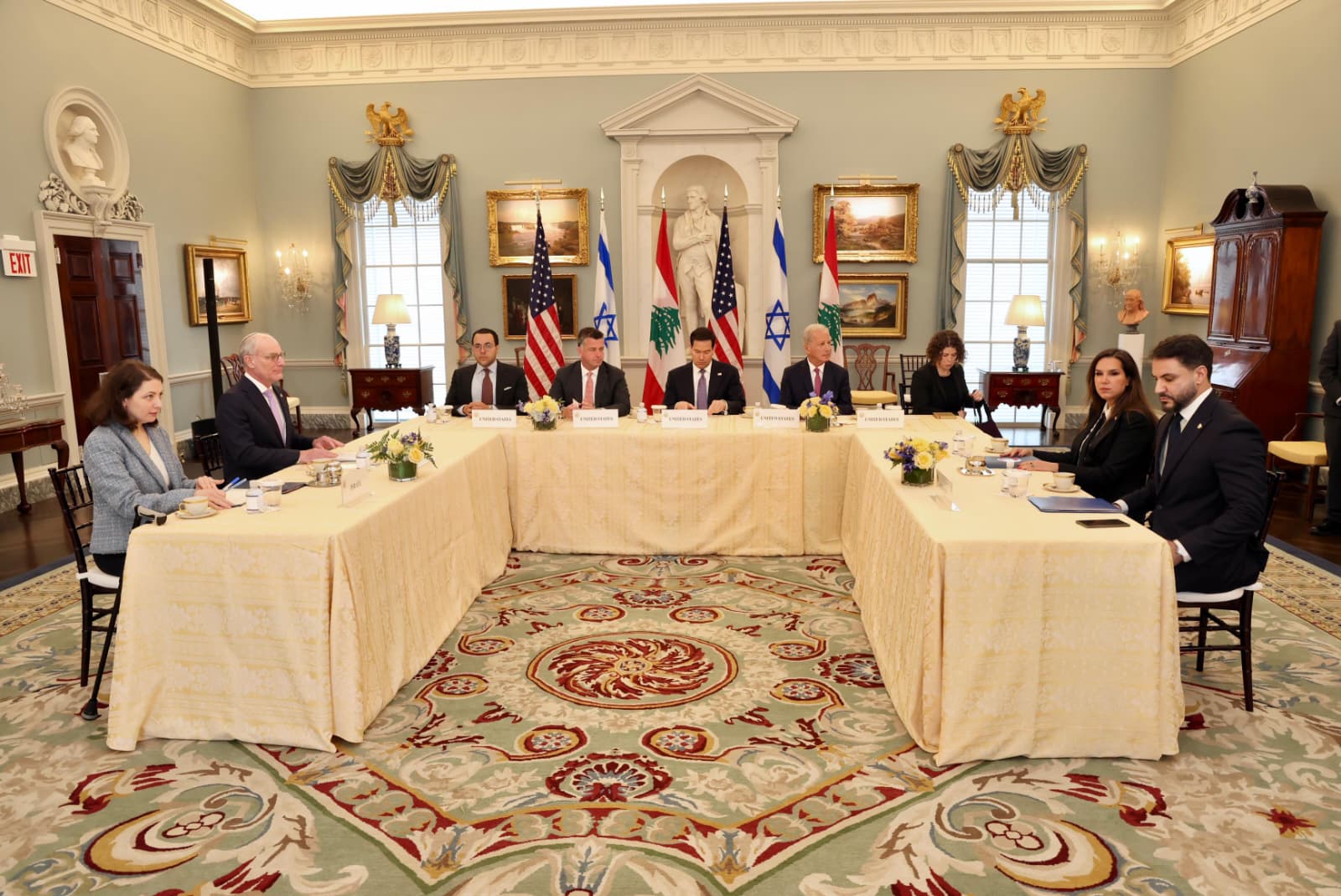
According to a report in the Lebanese newspaper Nidaa al-Watan, Washington acted urgently to curb escalation and limit the Israeli response in order to protect the “momentum” built at the negotiating table thus far. Talks are currently progressing across three main tracks: political, military, and border demarcation.
Along the border track, progress was reported on the land border file, featuring the presentation of historical documents and deliberations over disputed points along the Blue Line. On the military track, the concept of “model zones” is being evaluated—a mechanism through which the Lebanese Army would assume responsibility over designated areas as “test zones” in place of Hezbollah terrorists.
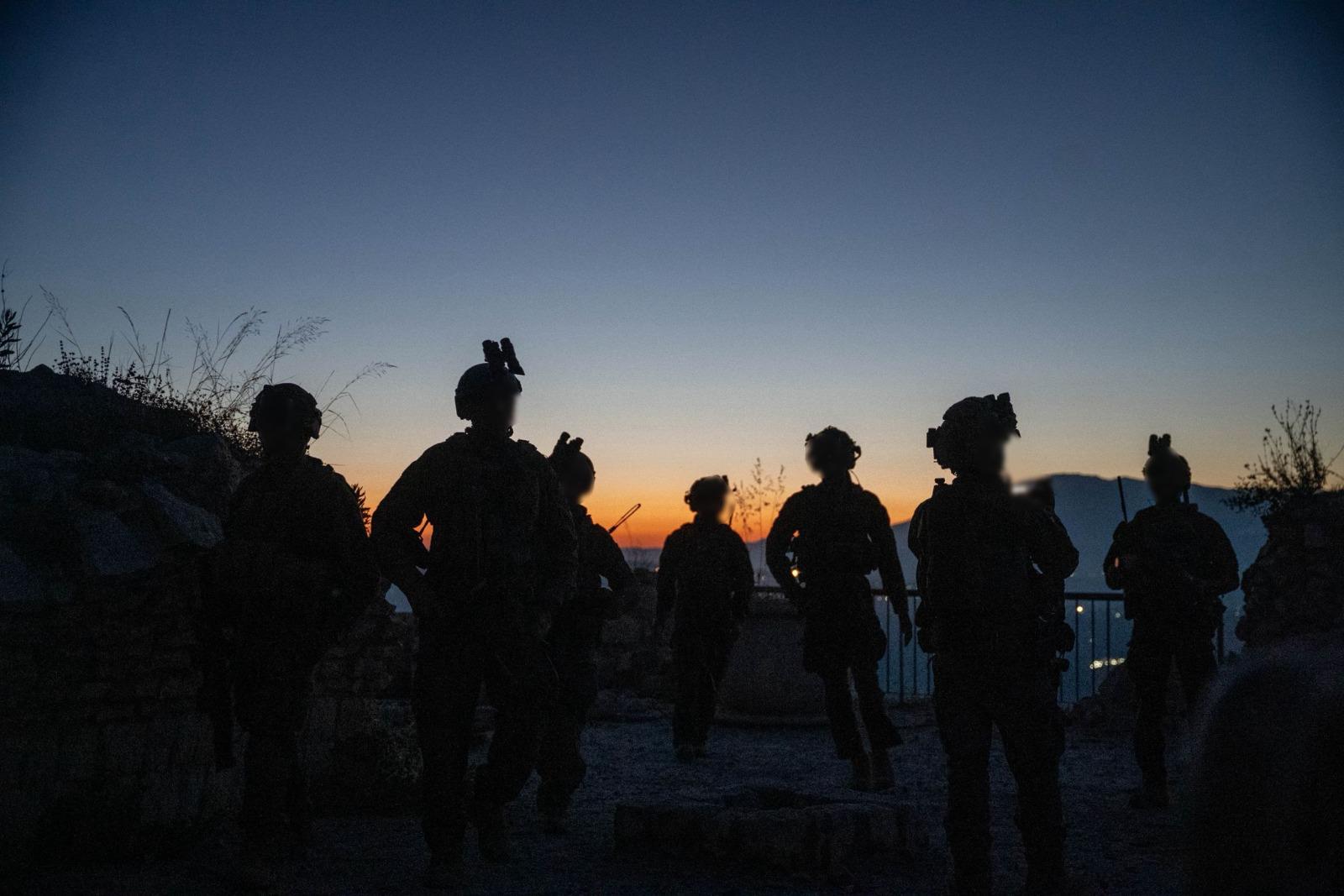
It was further reported that the Lebanese delegation proposed Bint Jbeil and Al-Khiam as initial model areas, but Israel has yet to respond to the proposal, and Americans express skepticism regarding the Lebanese Army’s operational capability to execute concrete actions such as destroying tunnels and confiscating weaponry. Meanwhile, on the political track, disagreement persists over the verification and monitoring mechanism. Israel demands to conduct oversight itself, whereas Lebanon proposes American or European entities. Due to mutual objections regarding France and Spain, Italy may ultimately be selected as the mediating party overseeing implementation on the ground.
Political Tensions Arise Against Backdrop of Severe Incidents in Southern Lebanon
The IDF Spokesperson cleared for publication this morning that during operational activity in the village of Majdal Zoun, Major (res.) Harel Birenstock, 34, and Master Sergeant (res.) Tamir Vaknin, 33, were killed after an explosive device planted by the Hezbollah terror organization struck forces inside a booby-trapped building.
Four additional soldiers were severely wounded in the incident.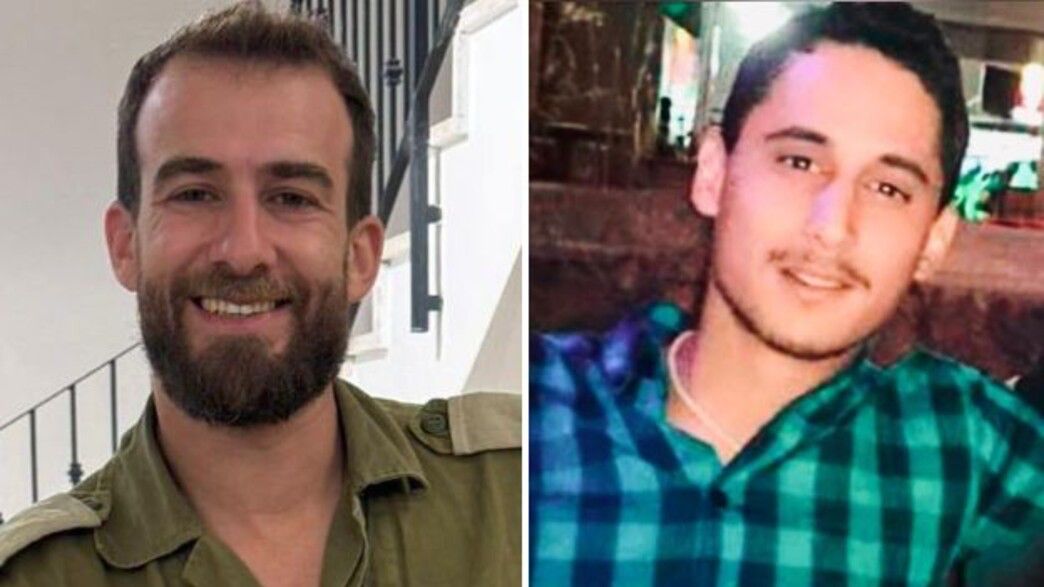
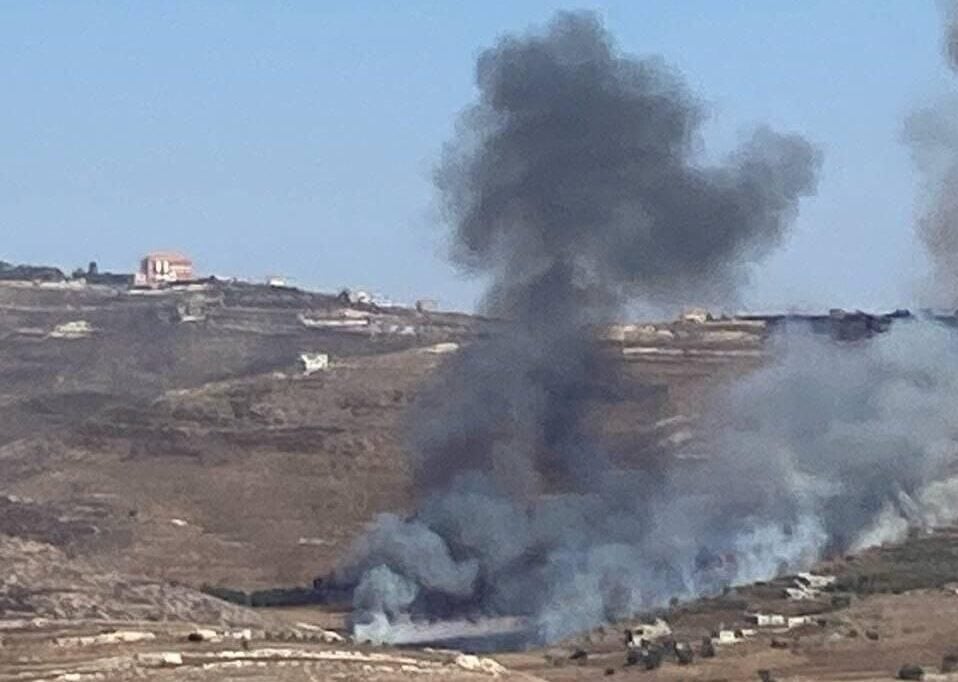
Furthermore, the IDF launched a targeted wave of strikes yesterday in Southern Lebanon after issuing an urgent evacuation order to residents of the village of Al-Mansouri, located within a security zone where military activity posing risks to civilians is ongoing. A military source explained that Lebanese civilians arrived at the location under the auspices of the Lebanese Army—which erected a checkpoint in the sector in violation of agreements.
The IDF Spokesperson emphasized at the time that the targeted strikes began in response to a series of Hezbollah violations, including the launch of an explosive drone toward an engineering vehicle belonging to our forces at the Ali Taher ridge approximately a week ago. As highlighted by our military analyst Noam Amir, despite talks of diplomatic understandings, Hezbollah persists in its rearmament efforts and return to Southern Lebanon.
The Lebanese Army, which is meant to serve as a balancing force, presents numerous enforcement challenges and fears searching booby-trapped structures, leaving terrorists with virtually unhindered freedom of operation. The emerging conclusion from intelligence and operational assessments is unequivocal: the mission in Lebanon is far from complete.