


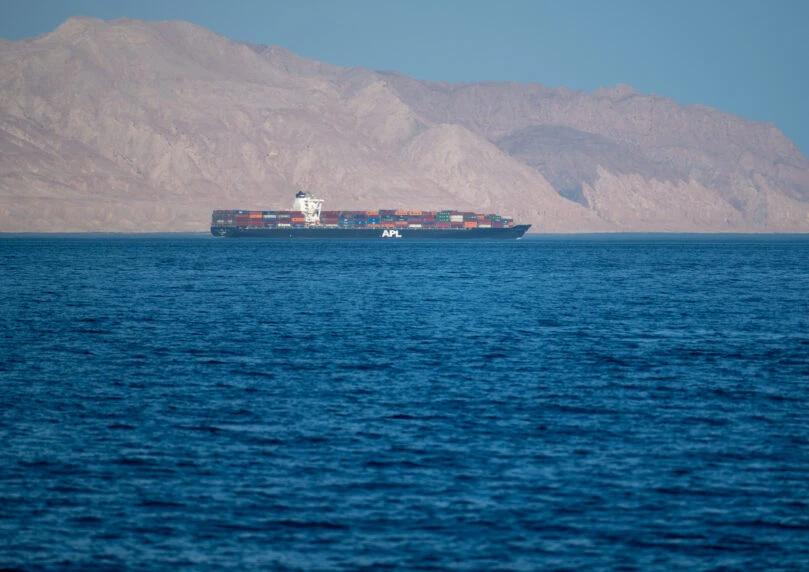

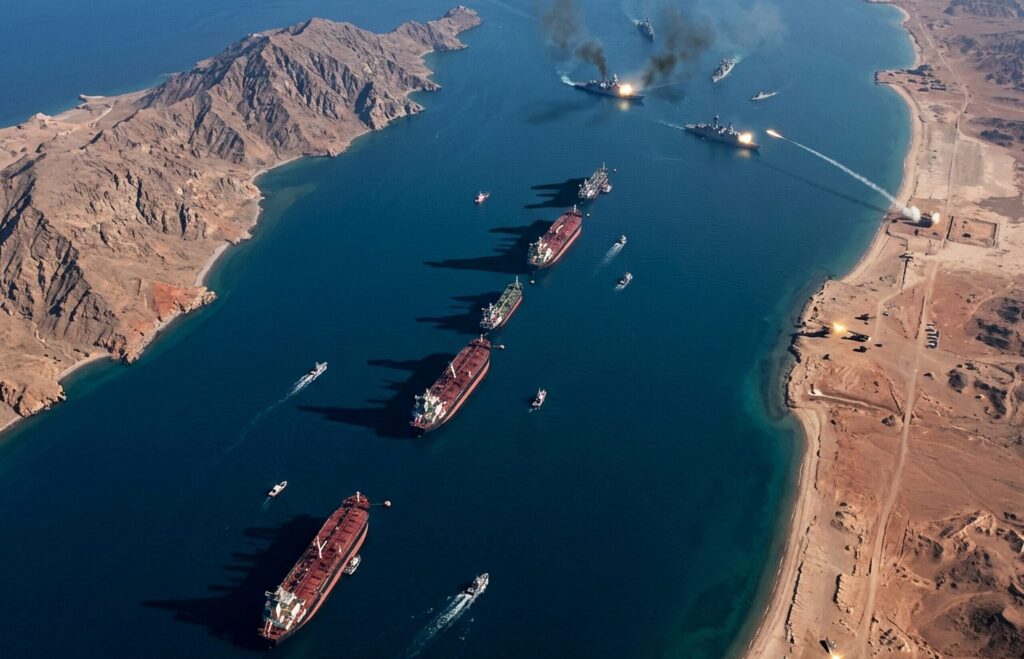
Following extended reports and anticipation from U.S. President Donald Trump, significant progress appears to have been made in negotiations to reopen the Strait of Hormuz and resume shipping along the strategic maritime route. Iranian Foreign Ministry spokesman Esmaeil Baghaei announced today (Wednesday) that Iran and Oman have reached an agreement on the geographical coordinates—the precise route commercial vessels will navigate—for a safe shipping corridor through the strait.

 1+
Baghaei claimed talks are progressing in a positive direction and that both sides are finalizing the draft of a joint statement, though he warned that success depends on third parties refraining from attempting to disrupt the process. The move follows a report earlier today by Reuters that the United States has already begun lifting Iran-related sanctions as part of advancing negotiations.
According to CBS, the emerging agreement does not include transit fees or service charges for vessels—despite prior Iranian demands for such fees. The proposed framework dictates that ships will enter the Strait of Hormuz through the Iranian-controlled lane and exit via the Omani-controlled lane. Estimates suggest that if the agreement receives final approval, the United States and Iran are expected to resume broader negotiations based on an already formulated memorandum of understanding.
The current development follows a day of high readiness and tension after Arab media reports indicated a joint statement was originally expected yesterday but faced delays. Only yesterday, the Wall Street Journal reported that the parties had actually moved further apart after Iran reiterated its demand to levy fees on passing vessels—a demand flatly rejected by the United States and regional allies. According to those reports, Tehran was demanding not only the ability to collect payments, but also an American commitment to lift the naval blockade, provide significant sanction relief on Iranian oil exports, and guarantee that no further military strikes would be launched.
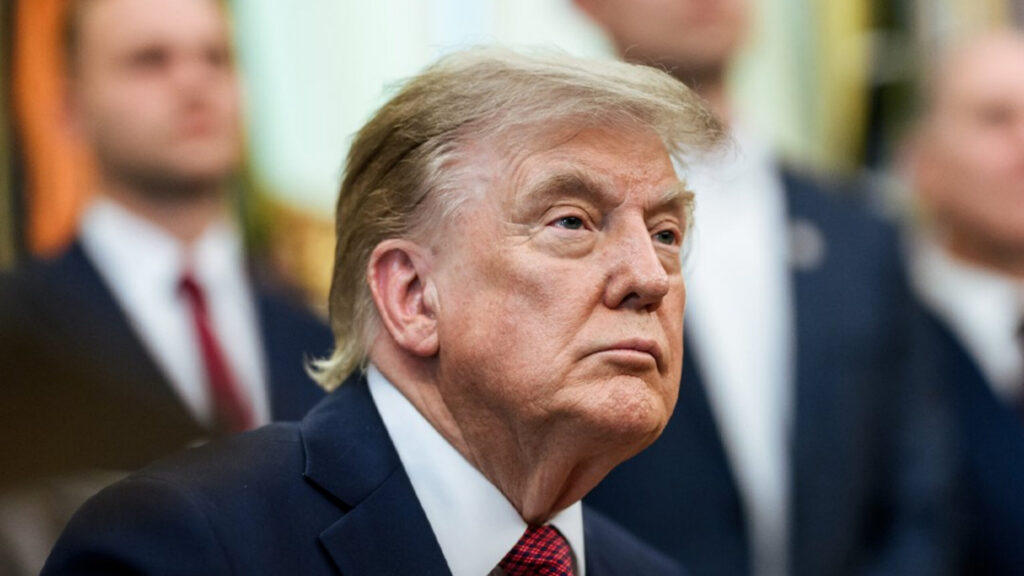
U.S. President Donald Trump addressed the talks yesterday, stating that Washington is conducting “good conversations” with Iran and predicting that the Strait of Hormuz will reopen very soon. However, Trump made clear that if Tehran backtracks on understandings or violates the agreement, it will suffer a “very severe blow,” hinting that while “there is plenty of time” from his perspective, his patience is not unlimited.
 1+
Despite the optimistic tone, a senior Gulf official told CNN that the probability of reaching an interim deal by this coming Friday stands at “50:50,” noting that “extreme and influential Iranian figures have not yet granted their approval to the outline.” This leaves room for a last-minute obstacle in the Strait of Hormuz—one of the world’s most critical shipping routes, carrying a major portion of global oil supplies.