


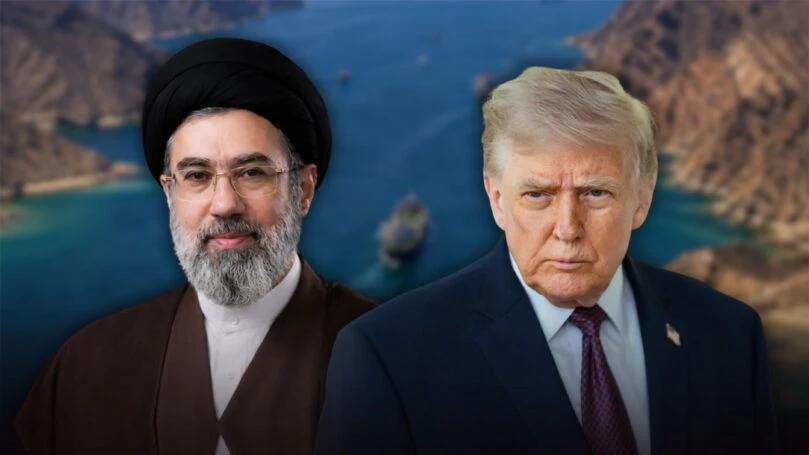

The United States is lifting Iran-related sanctions, Reuters reported this evening (Wednesday). The move comes against the backdrop of progress in negotiations between the parties and amidst efforts to reach an agreement that will allow the resumption of shipping through the Strait of Hormuz.

 2+
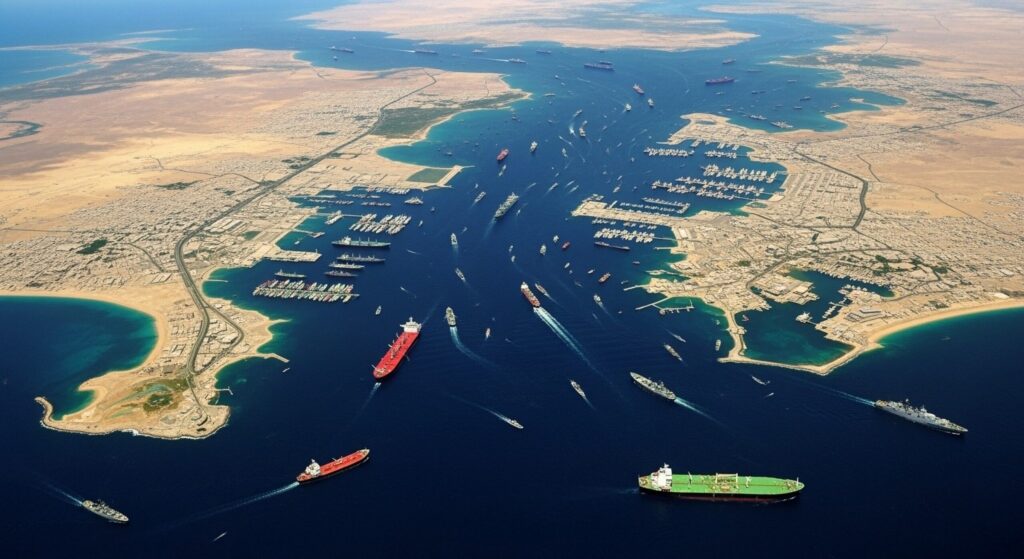
2+Earlier this evening, CBS reported, citing sources familiar with the talks, that the emerging agreement between Iran and Oman does not include transit fees or other service charges for vessels passing through the strait. According to the proposal, ships will enter the Strait of Hormuz via the Iranian-controlled lane and exit via the Omani-controlled lane.
According to the report, if the agreement is finalized, the United States and Iran are expected to resume negotiations based on the memorandum of understanding already formulated between the sides, in an effort to reach broader agreements.
 2+
2+Earlier today, a senior Gulf state official told CNN that there is a “50:50 chance” that the United States and Iran will reach an interim agreement as early as Friday. However, according to him, hardline and influential Iranian figures have not yet given their approval to the framework, meaning there remains a possibility that negotiations could hit a last-minute obstacle.
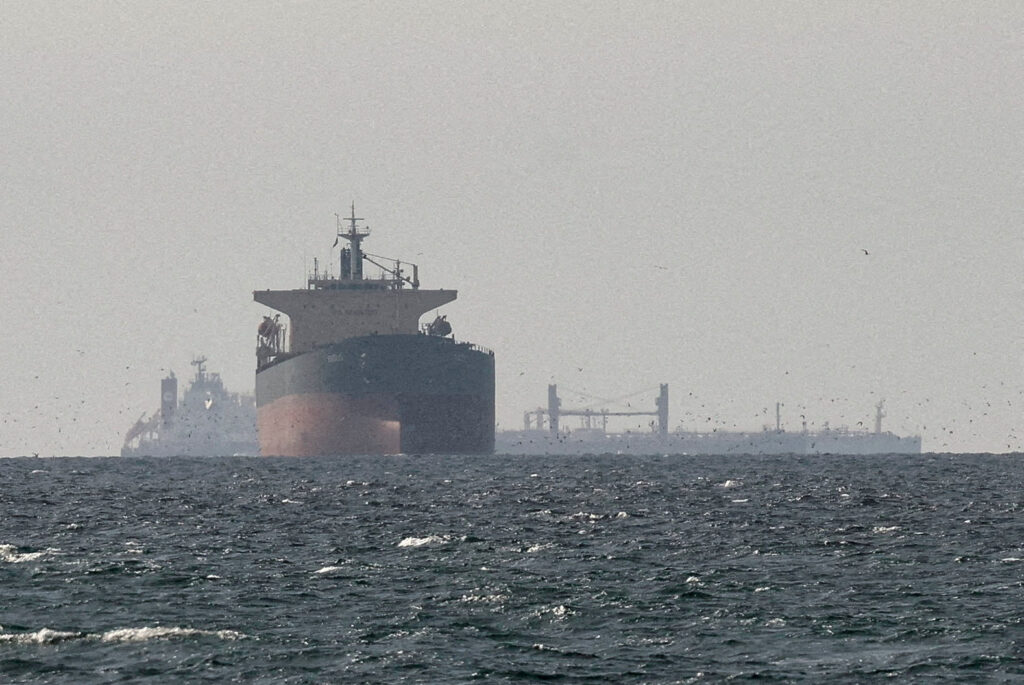
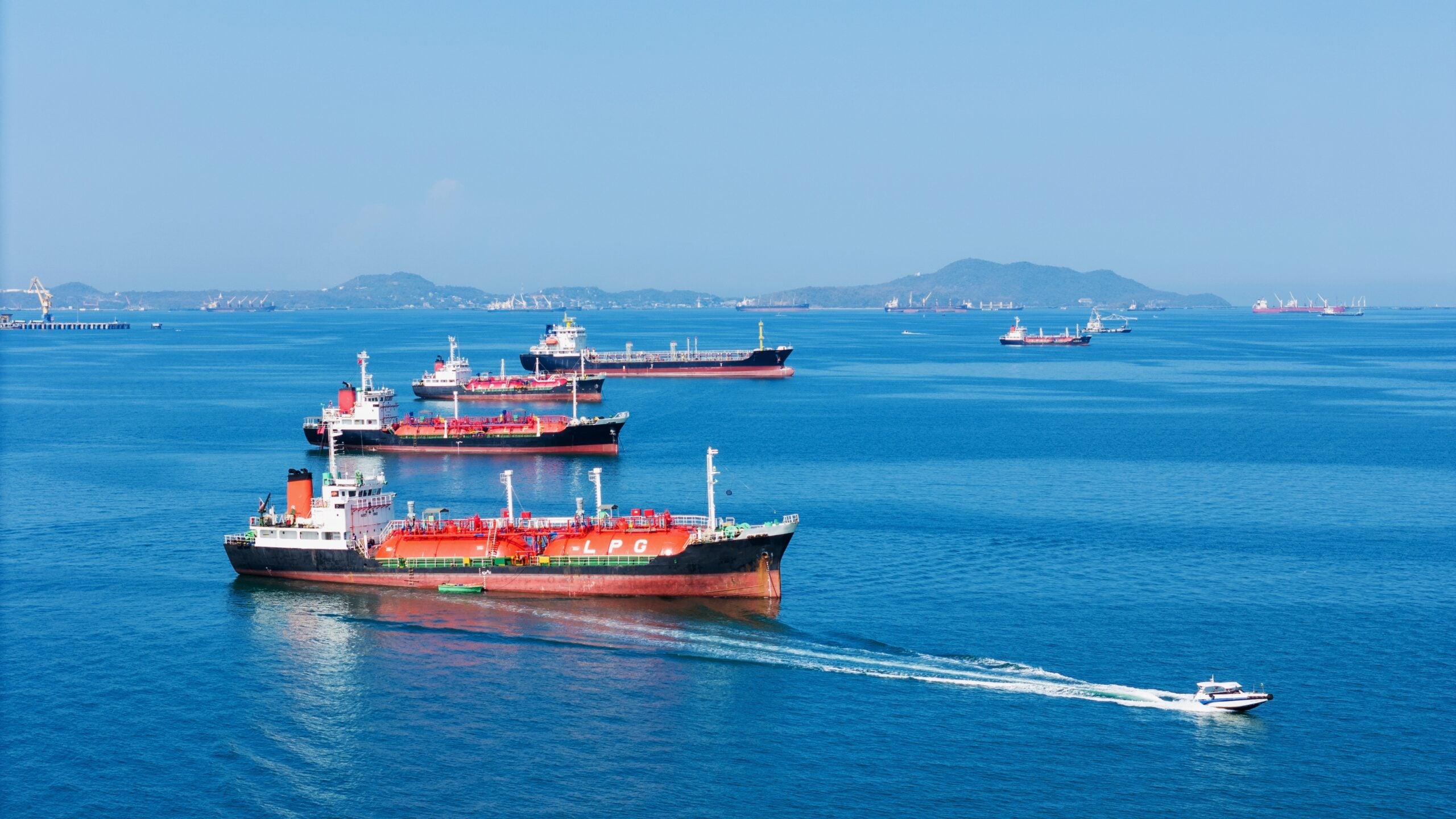
At the center of the talks is the Strait of Hormuz—one of the world’s most strategic and vital shipping lanes, through which a significant portion of global oil supplies passes. Under the framework discussed between the parties, vessels will transit the strait without payment or special fees, entering through the Iranian-controlled lane and exiting through the Omani-controlled lane.
 2+
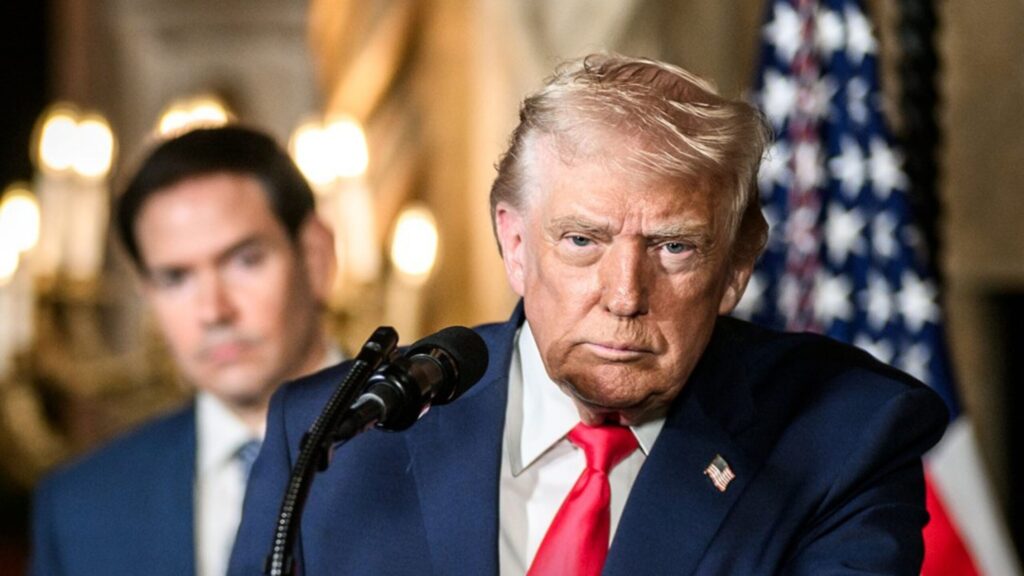
2+US President Donald Trump also addressed the negotiations today, stating that Washington is conducting “good talks” with Iran and that he estimates the Strait of Hormuz will reopen very soon. Alongside this, he made clear that if Tehran backtracks on understandings or violates the agreement, it will face a “very severe blow.” When asked how long he would continue to wait for progress, he replied that as far as he is concerned, “there is plenty of time,” while hinting that patience is not unlimited.
Despite the optimistic atmosphere, the Wall Street Journal reported just yesterday that the parties had actually moved further apart after Iran reiterated its demand to collect fees from vessels passing through the Strait of Hormuz—a demand firmly rejected by the United States and regional states.
According to that same report, Tehran is demanding not only the ability to levy charges on ships—possibly in cooperation with Oman—but also an American commitment to refrain from further strikes, the lifting of the naval blockade, and significant relief from sanctions, particularly on Iranian oil exports. In contrast, the United States demands guarantees that Iran and its proxies will cease threatening freedom of navigation and regional security.