


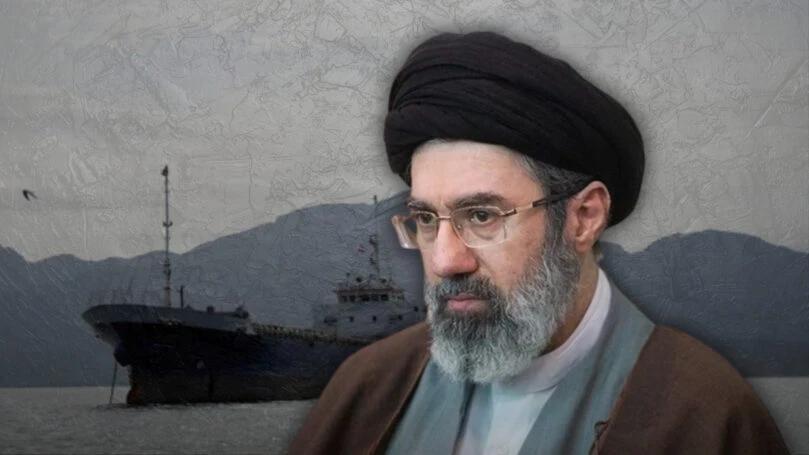

According to sources familiar with the details, under the emerging outline, ships entering the Persian Gulf will pass along a route adjacent to the coast of Iran, while ships exiting the Gulf will pass along a route adjacent to Oman. Iranian sources claimed that transit tolls will not be collected, but rather a “service fee” intended to cover environmental costs, security, personnel, and related services.

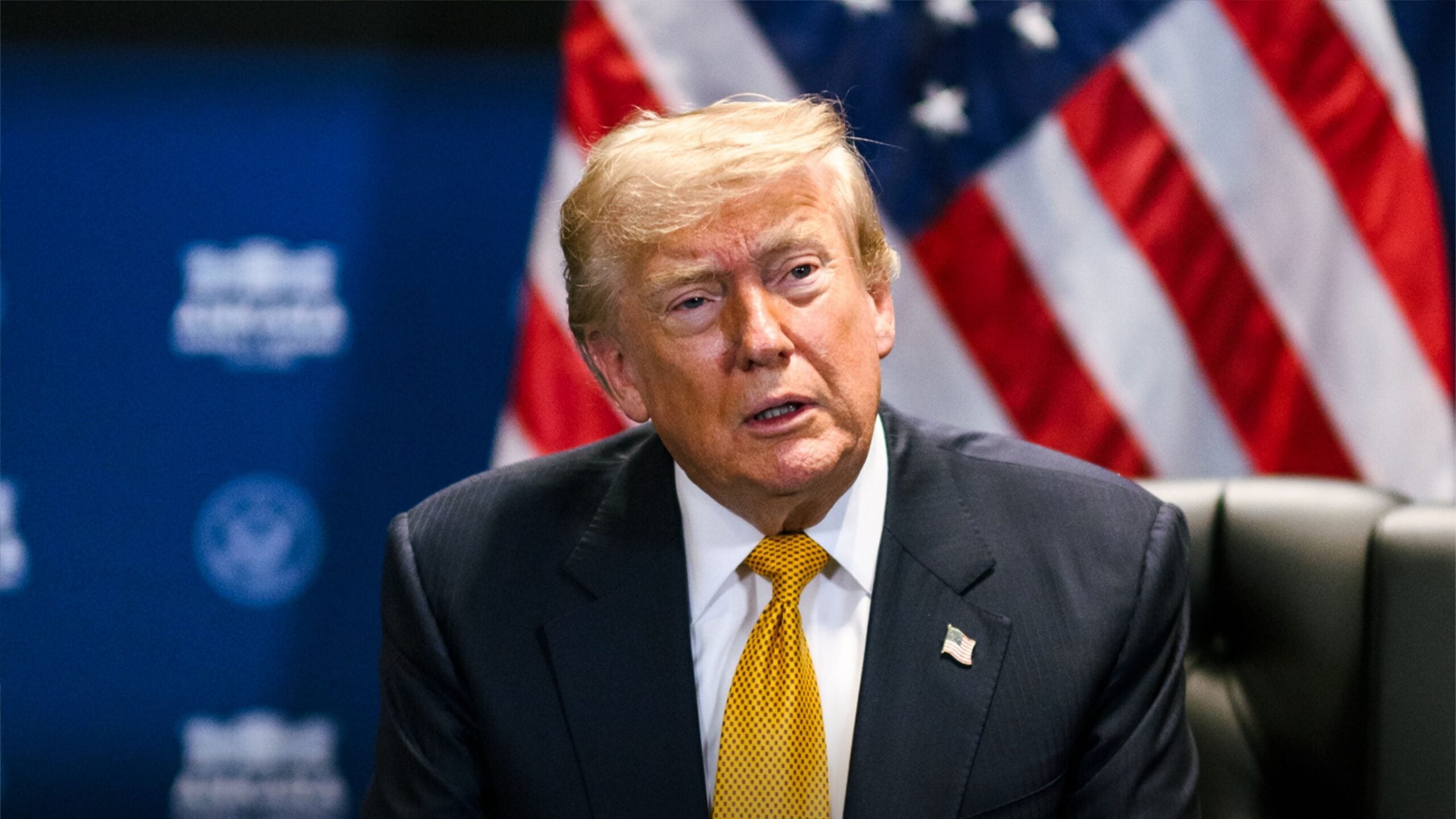
For U.S. President Donald Trump, reopening the Strait of Hormuz is a key objective after months in which the closure of the maritime route exerted pressure on international markets, trade movement, and energy flows. Trump stated at the White House that the agreement could move forward quickly, estimating that the first phase will be opening the strait, while the second phase will address the Iranian nuclear issue.
The main dispute surrounding the agreement centers on whether opening the strait will preserve freedom of navigation, or set a precedent of de facto Iranian control over an international shipping route. U.S. Secretary of State Marco Rubio previously warned that allowing a nation to control an international maritime passage and levy fees on vessels could set a dangerous precedent.
Skeptical voices are also emerging within the U.S. administration regarding the framework. According to the report, Pentagon officials fear such an agreement could be interpreted as a surrender to the Iranians, particularly since sea mines remain in parts of the shipping routes—a factor that might force coordination with Tehran to ensure safe passage for vessels.
Conversely, Iran views the Strait of Hormuz as a major strategic bargaining chip. Iranian sources claim the agreement is intended to formalize Tehran’s ability to influence movement through the strait, thereby preserving a leverage mechanism that was not fully utilized before the war.