


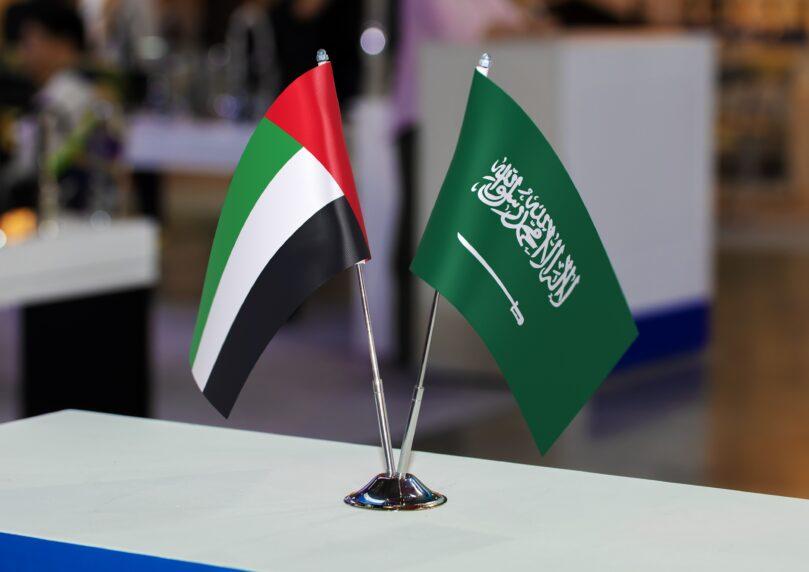

Amid the United States’ declining standing in the Middle East and growing concern over the Iranian threat, Brig. Gen. (res.) Hanan Geffen, former commander of the intelligence unit, Unit 8200, pointed yesterday (Sunday), in an interview with Ido Tauber, to a regional alignment that could shift the balance of power: security cooperation between Israel, Saudi Arabia, the United Arab Emirates, and other Gulf states.
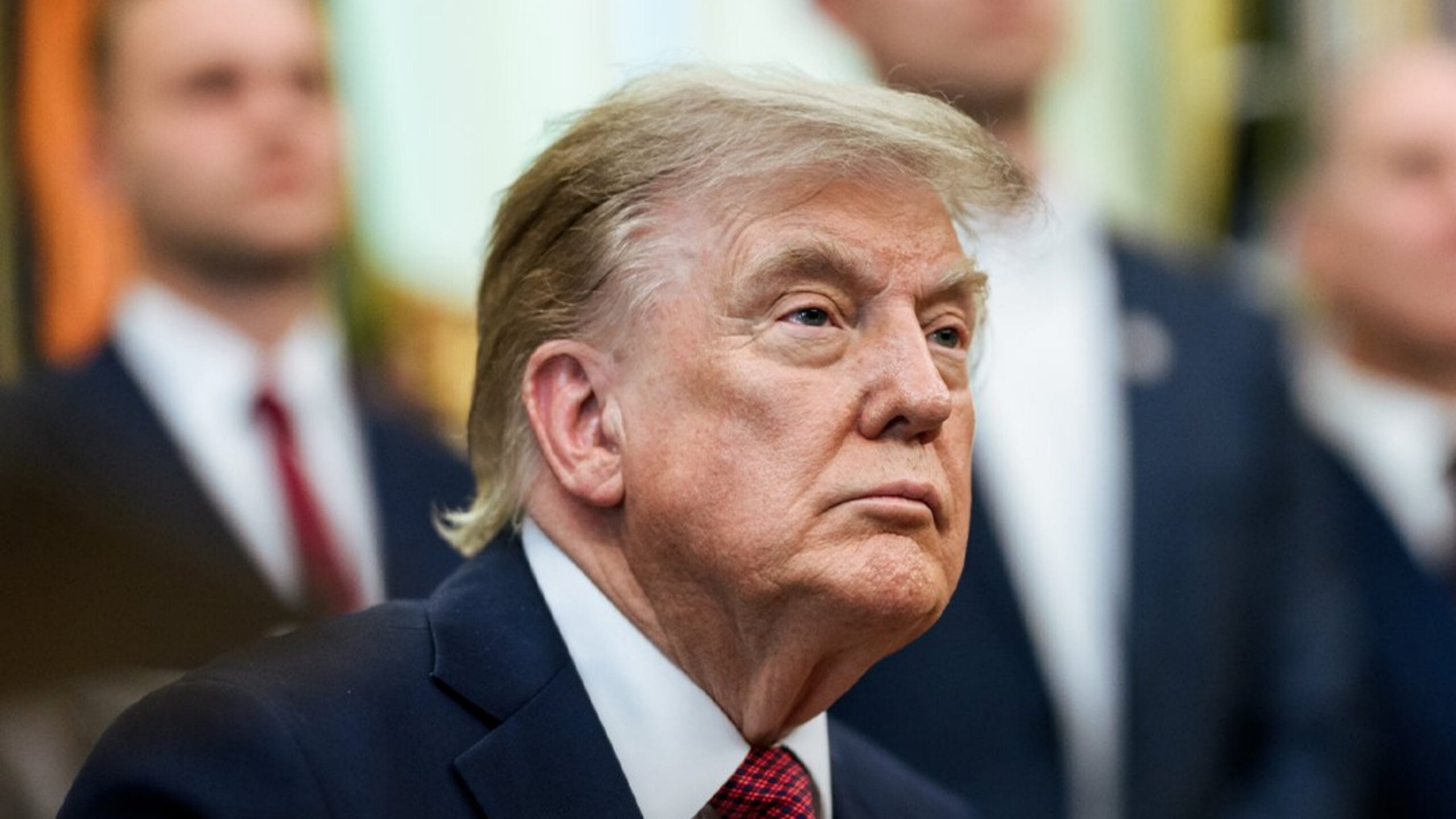
Geffen argued that America’s position has eroded: “The United States has been knocked down a peg in the Middle East. It is no longer leading the process—it is being led by it. Donald Trump has made, and continues to make, extremely serious mistakes in managing this strategy.”
According to Geffen, Iran has repeatedly succeeded in exploiting the American president’s conduct. “There were four, five, or more occasions when the United States, together with Israel, launched powerful initiatives against Iran. Iran was facing severe internal crises. Then, at the eleventh hour, they managed to stop him time and again, and every time he fell into the same trap. Then he grumbles and complains: ‘The Iranians are playing us.'”
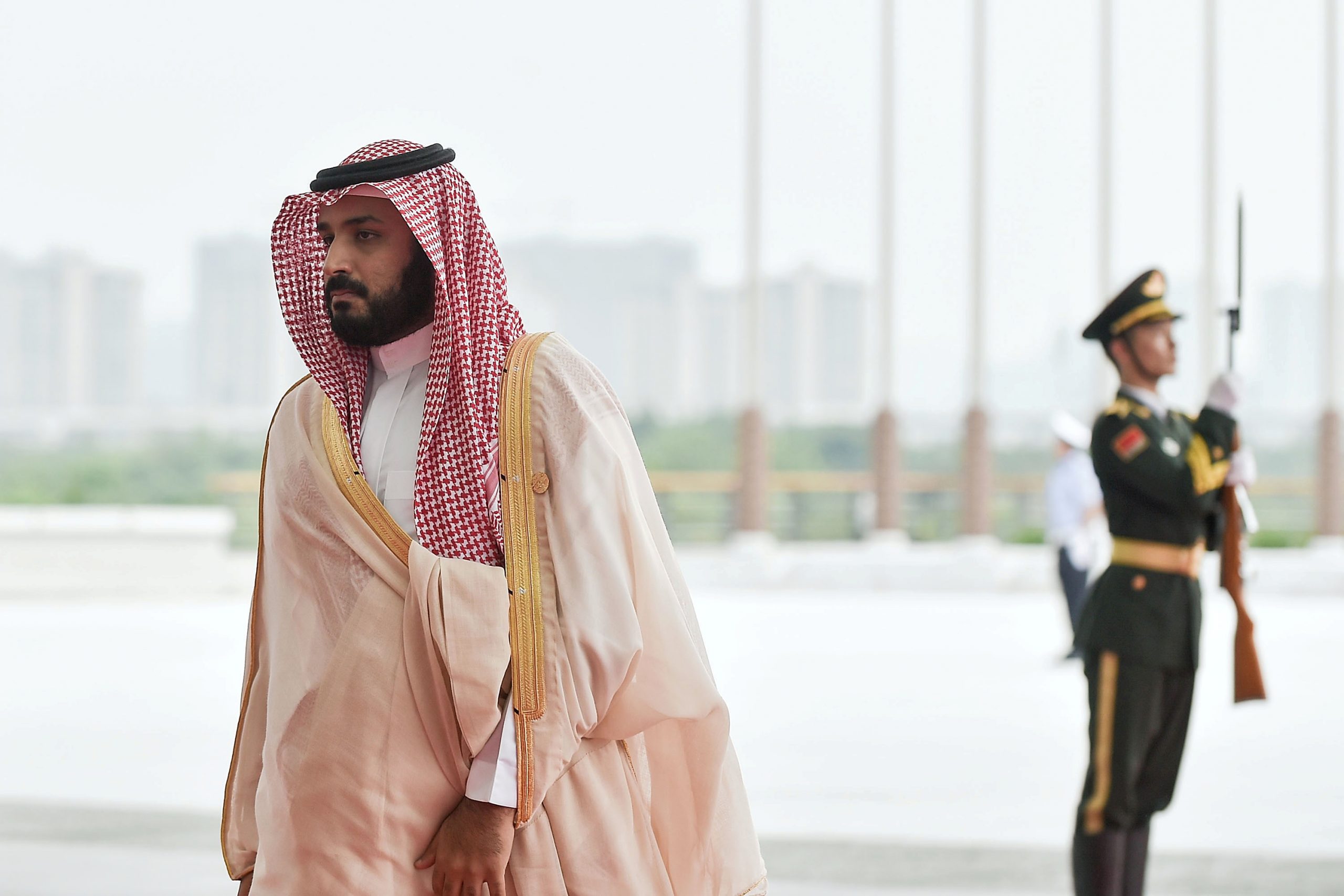
He went on to argue that these developments are already shaping how regional states view the situation. “I believe that today, this very morning, we stand at the threshold of a new reality in the Middle East. The countries of the region—both the Gulf states and others—are looking at the United States, and at the way it is conducting itself, not only about Iran, but also with Hamas and Hezbollah.”
The former 8200 commander said Israel should capitalize on the regional shift by strengthening its ties with the Gulf states. “What matters for us right now is that we take care of ourselves and join that alliance of Gulf countries—the United Arab Emirates, Saudi Arabia, and others. Perhaps not Qatar. On the one hand, they are seeking reconciliation with Iran… On the other hand, they will turn to us, because they know they need protection against Iran’s ballistic missiles.”
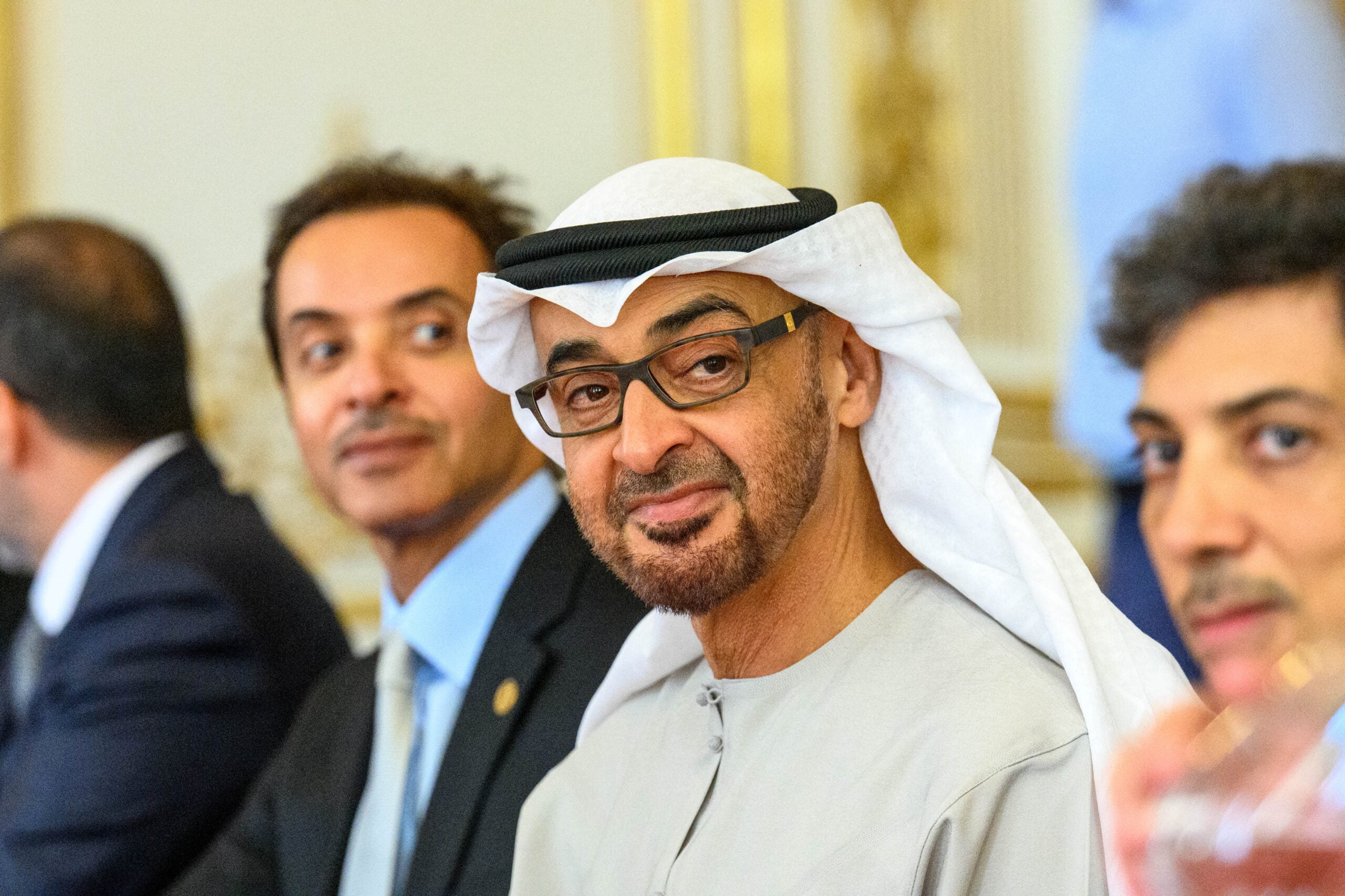
Geffen added that, in his assessment, developments in the region are still far from over. “As of this morning, we have exchanged one war for another. I hope we are all wrong.” He concluded that Israel must continue to rely first and foremost on itself and on the regional partnerships it can build, given the changing balance of power in the Middle East.