



The United States and Israel are discussing the possibility of imposing a land blockade on Iran, the British Telegraph reported Friday. According to the report, it’s one of several options being examined in Washington and Jerusalem aimed at ramping up economic pressure on the Iranian regime after a prolonged period of strikes and regional confrontation that hasn’t changed Tehran’s behavior.

 3+
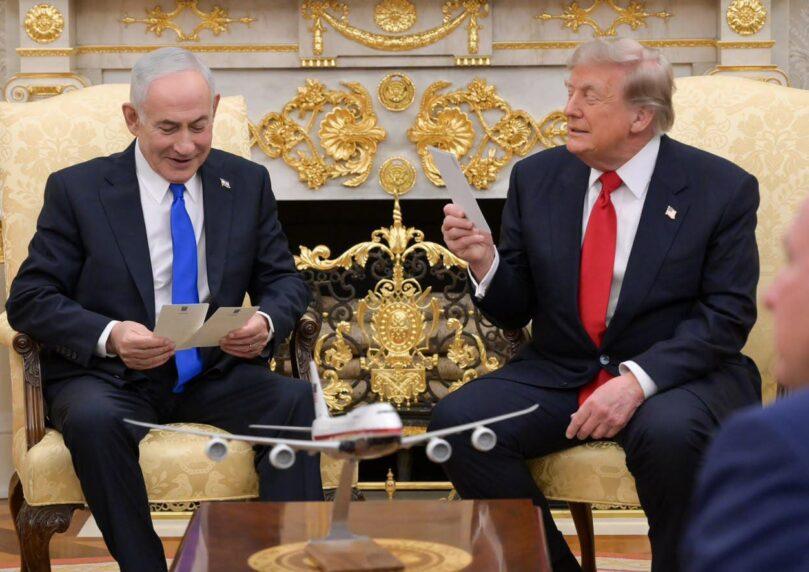
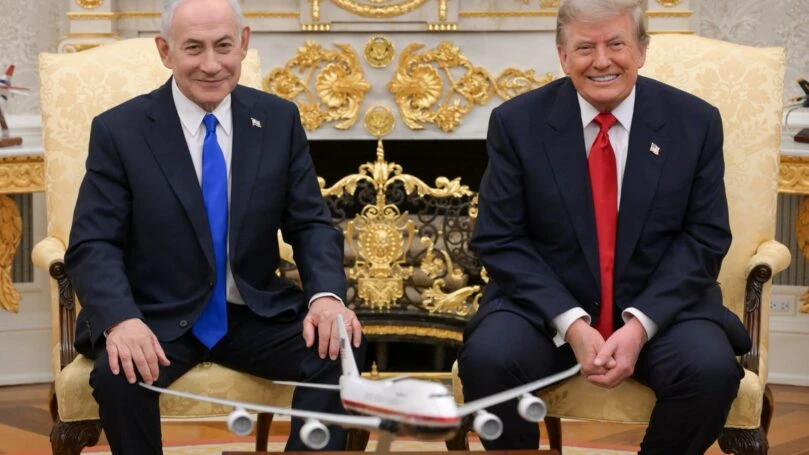
3+According to the report, President Donald Trump and Prime Minister Benjamin Netanyahu discussed ways to increase pressure on Iran during their White House meeting Tuesday—both through kinetic means and non-military measures. One option raised was trying to convince Iran’s neighbors and regional partners to tighten oversight of border crossings, and even close some of them, to restrict the country’s imports and exports.
A senior Israeli official quoted in the Telegraph said one of the options discussed was a broad closure of Iran’s land borders. “What if you just block the land? Let’s say Iran can’t bring anything in and can’t take anything out. Everything will happen,” the official said.
 3+
3+Still, the report emphasized that implementing a full land blockade on Iran would be exceptionally complex. Sean MacFarland, a retired American lieutenant general, said such a blockade would be “almost impossible,” but added that damaging Iran’s ability to trade could isolate it economically and bring it, in his words, “to its knees.” He said an economic approach of this kind would likely require a combination of military steps, and couldn’t rely on diplomatic pressure alone.
The main difficulty lies in Iran’s many land borders. The country shares borders with Iraq, Turkey, Pakistan, Afghanistan, Turkmenistan, Armenia, and Azerbaijan, so any attempt to block it would require cooperation from many countries, some of which aren’t allies of the United States or Israel. According to the report, Washington may see Pakistan and Iraq as possible weak points, but any country that cooperates with such a move could face economic consequences and the threat of retaliation from Iran.
 3+
3+The report also said blocking ports or major border crossings could damage Iran’s ability to rearm. According to the Telegraph, Tehran is expecting a shipment of hundreds of rocket launchers from China as part of a new agreement to strengthen military cooperation between the countries. The contract, worth about $70 million, includes mobile air defense systems and shoulder-fired anti-aircraft missiles.
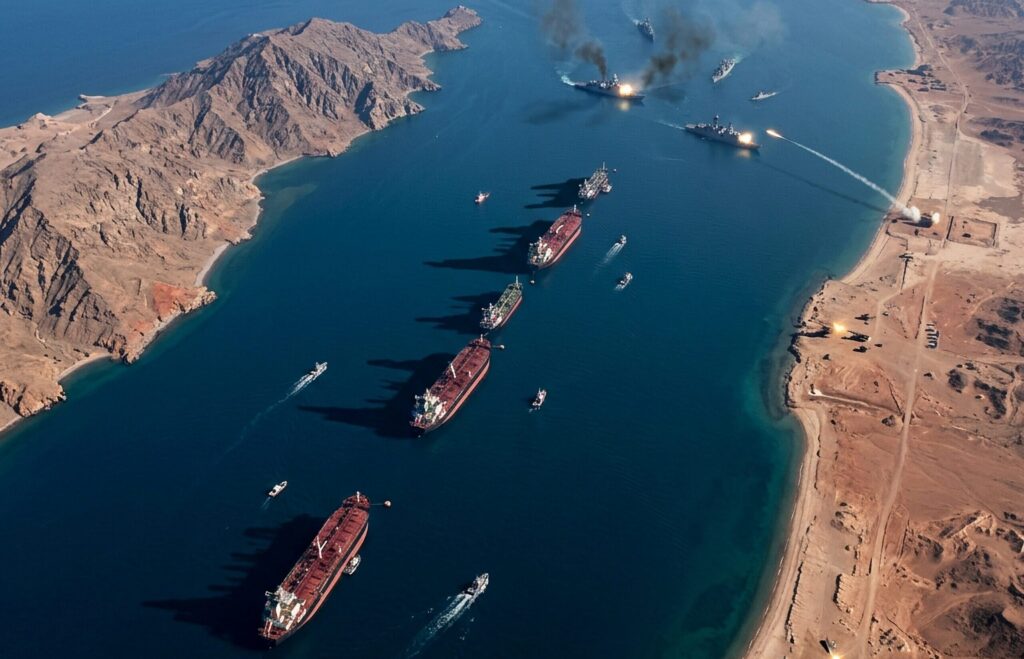
A source involved in the discussions told the British paper that Trump believes the current strategy of opening the Strait of Hormuz has exhausted itself, so he’s examining additional escalation options aimed at bringing Iran back to the negotiating table. According to the report, the land blockade option fits into the “maximum pressure” policy designed to damage Iran’s economy and constrain its moves.
 3+
3+The Telegraph also noted there’s a possibility the plan was floated deliberately to divert Iran’s attention from the next move the United States and Israel are planning. The report added that intelligence assessments point to a split within the Iranian leadership between those who fear economic collapse and those who believe the confrontation should continue.
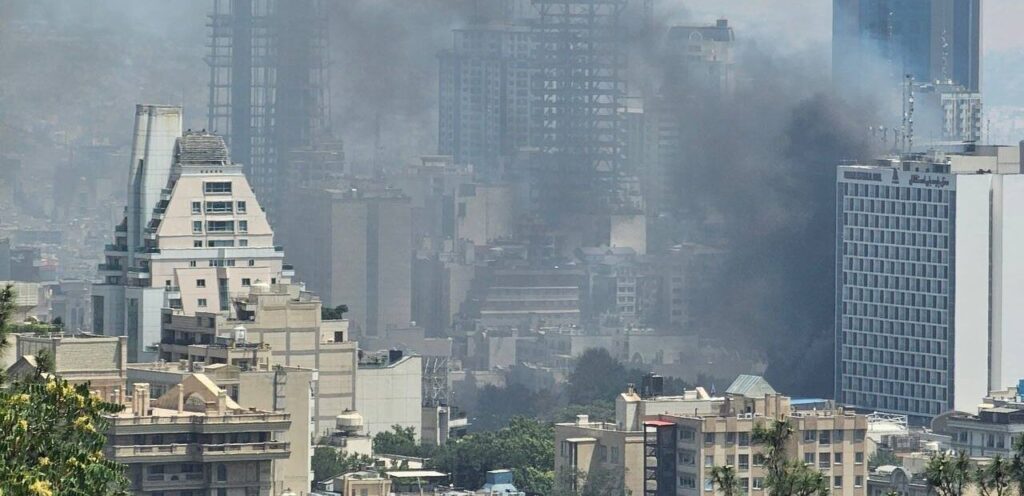
The Israeli official quoted in the report added that Iran is experiencing severe gas shortages, and that many gas stations are seeing long lines after diesel supplies ran out. At this stage, it’s unclear whether the land blockade option will develop into a practical move, but the very discussion of it reflects the American and Israeli attempt to expand their leverage against Tehran.