


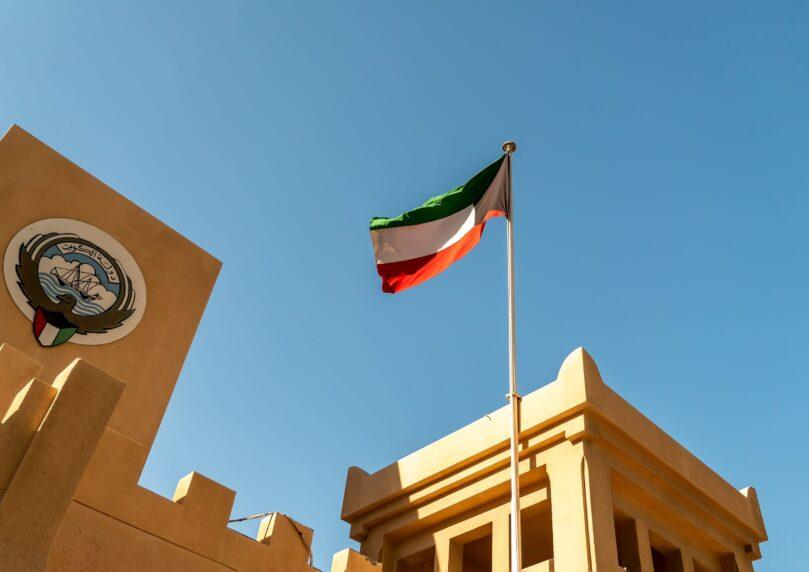

The United States is considering scaling back its military presence in Kuwait, the Wall Street Journal reported Friday. According to senior American officials, Pentagon discussions about reducing force levels in the country began even before the war with Iran broke out. But since Iranian attacks on American bases in Kuwait started, some forces have already been pulled out to reduce risk—and now Kuwait fears the temporary move could become permanent.


 1+
1+In the decades since Kuwait’s liberation in the first Gulf War, the emirate has become one of the U.S. military’s key logistics hubs worldwide. Thousands of American troops, Abrams tanks, and heavy equipment have been stationed there, and the military presence gave Kuwait a sense of security against regional threats. But the war with Iran has upended the equation.
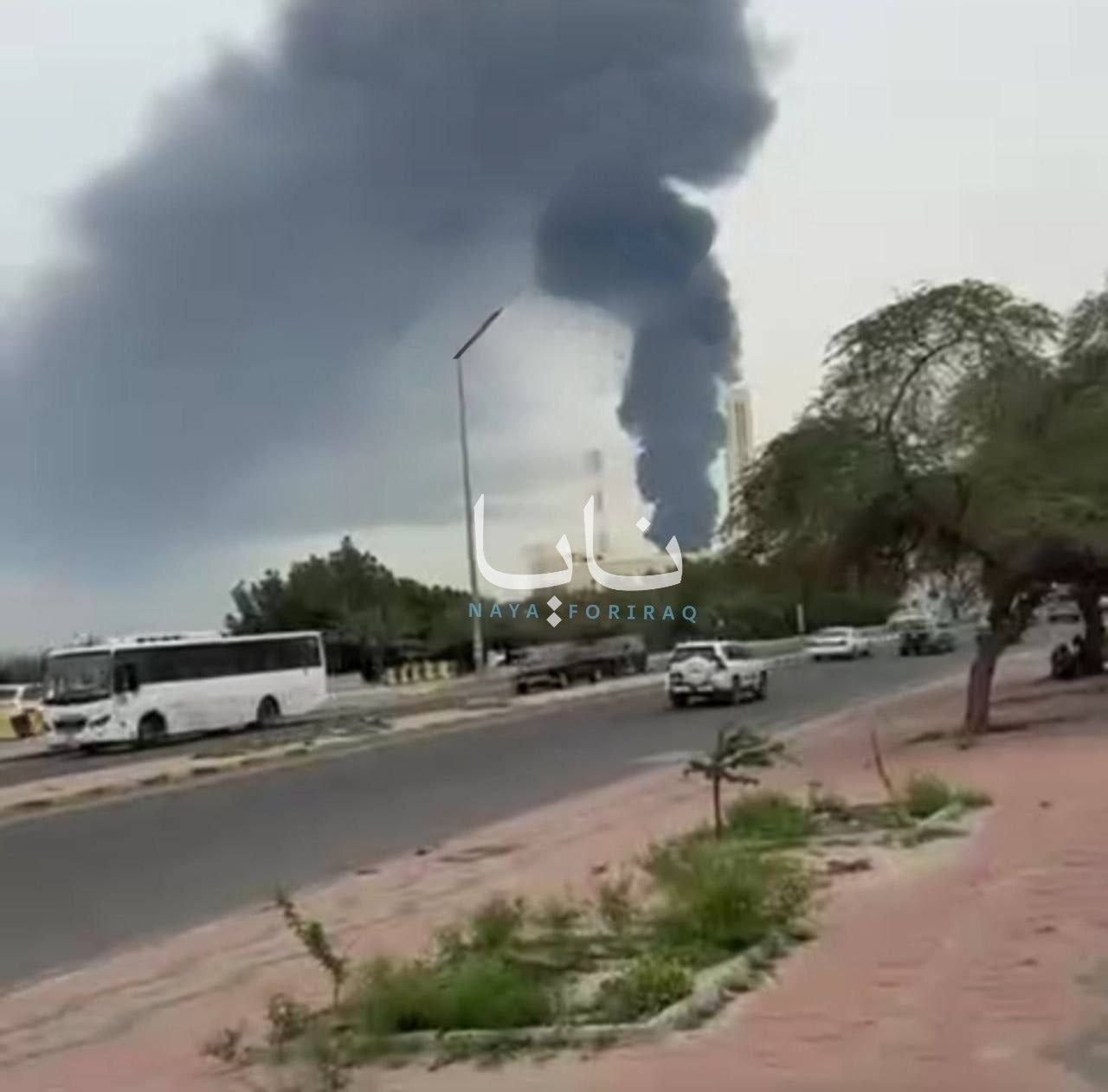
Tehran has hit Kuwait with hundreds of missiles and drones, targeting critical infrastructure—power stations, desalination plants, the international airport, and ports on the Persian Gulf. Oil exports through the Strait of Hormuz have been cut off. While U.S. officials note that air defense systems successfully intercepted most of the attacks and saved many lives, the American bases themselves have become targets for repeated strikes—including a March attack that killed six American soldiers.
Kuwait has managed so far to cope with the damage through reserves and emergency repairs, but the strikes exposed the vulnerability of civilian infrastructure and the risks of continued fighting. At the same time, they raised questions about the effectiveness of the American military presence in defending the country.
Video: social media
Meanwhile, the U.S. has begun reassessing the scale of its military presence in Kuwait. According to sources involved in the discussions, the Pentagon was already considering force reductions before the conflict erupted, and in response to Iranian attacks has actually reduced its presence to minimize risks. The assessment is that a large, permanent presence is not necessarily essential or militarily wise in the current reality.
Kuwait, for its part, emphasizes that it still needs a stable American commitment to its security. Still, the country has already signed a new defense agreement with Pakistan and may move to expand its air defense array and purchase additional systems. The confrontation with Iran has demonstrated that even a broad American military presence doesn’t provide complete protection.
 1+
1+More than 90% of Kuwait’s drinking water comes from desalination facilities, some of which were damaged in the attacks, and the closure of the Strait of Hormuz has halted oil exports—about 2 million barrels per day—hitting the country’s main revenue source. “They’re caught in a difficult place now,” said Elizabeth Dent, a former Pentagon senior official. “They want the war to end, but they also want to put an end to any threat from Iran.”
The security relationship between the U.S. and Kuwait was built after the Gulf War, when Washington led an international coalition that drove Iraqi forces out of the country. Since then Kuwait has become a central logistics base for American military activity in the region, with thousands of troops stationed at various bases. But now, facing the threat of missiles and drones from Iran, the security reality is changing. What was considered for years an anchor of stability—the American presence—is also becoming a factor that draws fire and raises questions about the path forward.