


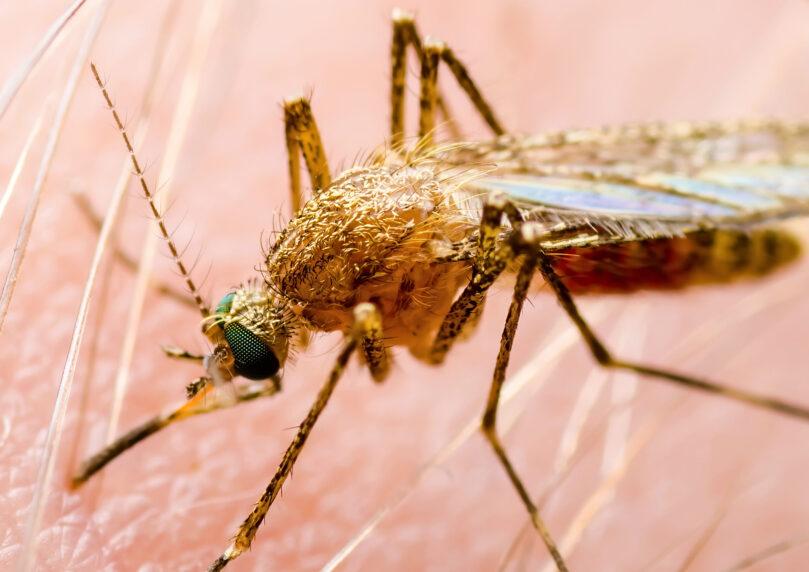

Mosquitoes carrying the West Nile virus have been detected for the first time this year in Israel, prompting health officials to raise alert levels. After the mosquitoes were trapped in the Tamar Regional Council in southern Israel, the Ministry of Environmental Protection instructed local authorities to expand monitoring, pest control, and prevention efforts amid concerns about the spread of infected mosquitoes. Six people have been diagnosed with the disease in Israel since the start of the year.
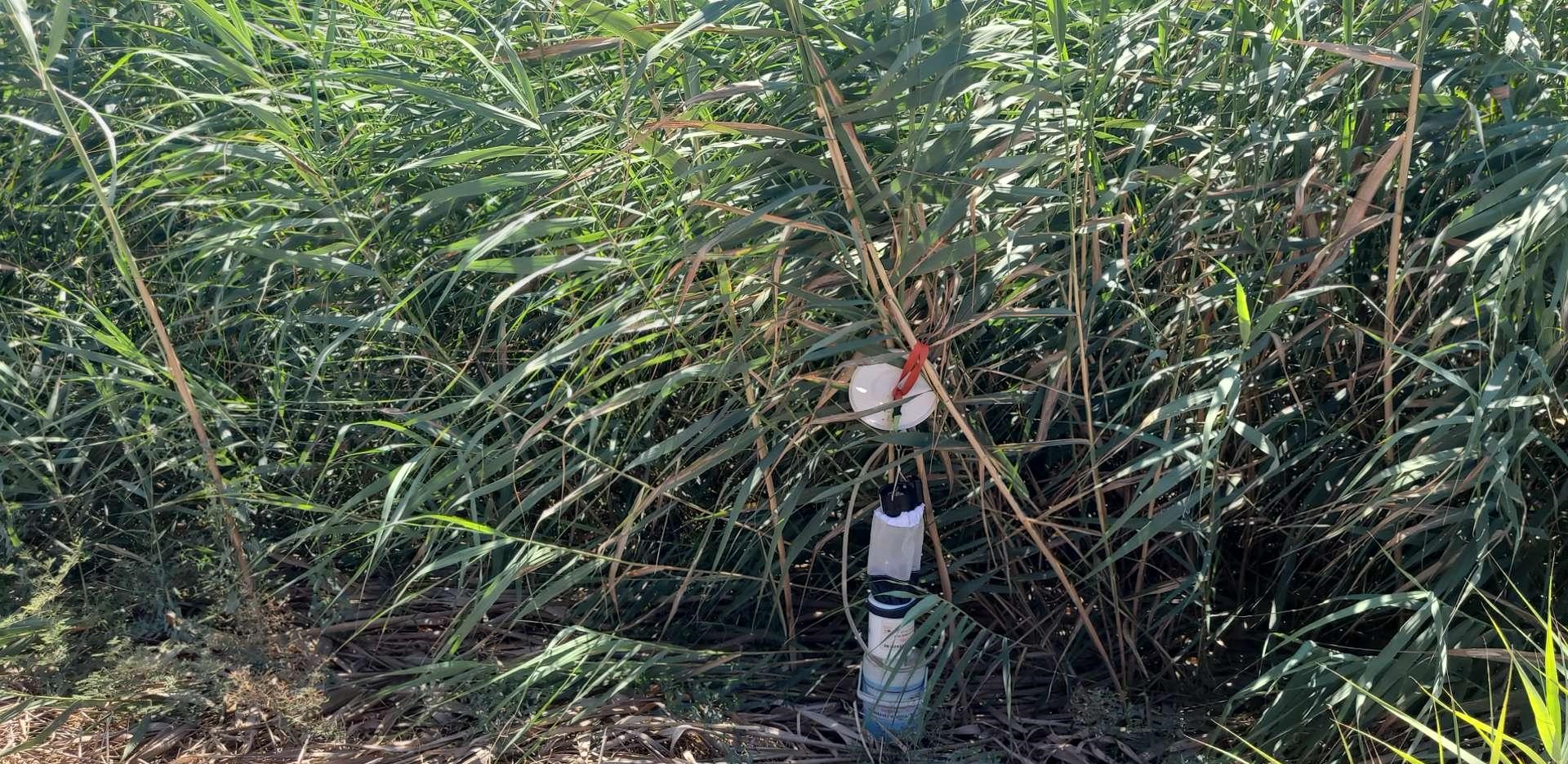

First Detection This Year: Infected Mosquitoes Found in the South
As part of routine monitoring conducted year-round by the Health Ministry and the Ministry of Environmental Protection—with emphasis during summer months—mosquitoes carrying the West Nile virus were detected for the first time in 2026 in the Tamar Regional Council area. Laboratory tests at the Health Ministry confirmed the mosquitoes were carriers of the virus. Following the findings, the Ministry of Environmental Protection instructed the Tamar Regional Council and all local authorities nationwide to intensify prevention, monitoring, public education, and pest control efforts to reduce the risk of infected mosquito spread and protect public health. Ministry officials note that no additional sites with virus-carrying mosquitoes have been found since the start of the year.
What Is West Nile Virus?
Prof. Sigal Sadetzki, head of the Public Health Division at the Health Ministry, explains that West Nile fever is a disease transmitted to humans through bites from mosquitoes that feed on infected birds. “In most cases, it’s a mild illness and sometimes has no symptoms at all,” she said. “However, in rare cases, serious complications can develop, including encephalitis or meningitis.”
Authorities Called to Increase Pest Control—Public Also Has a Role
Dr. Shai Reicher, director of the Pest Control Division at the Ministry of Environmental Protection, said the trapping of infected mosquitoes demonstrates the effectiveness of the national monitoring system, which enables real-time detection of risk sites and allows authorities to instruct municipalities to act quickly. The public also has a significant role in reducing mosquito spread, he said. “Draining standing water and reporting hazards to the local authority can significantly reduce mosquito breeding and help protect public health.”
How to Reduce Your Risk of Mosquito Bites
The Health Ministry and Ministry of Environmental Protection recommend the public take several simple steps that can significantly reduce the risk of mosquito bites:
Drain and dry all sources of standing water, such as plant saucers, buckets, old tires, gutters, barrels, and ornamental pools. Use mosquito repellents and install screens on windows and openings. Wear long, light-colored clothing when outdoors, especially during evening and nighttime hours. Use fans in seating areas, as airflow makes it harder for mosquitoes to bite.
Report standing water sources or mosquito hazards in public spaces to the local authority’s 106 hotline. The Health and Environmental Protection ministries emphasize that rapid public reporting of hazards enables authorities to treat breeding sites quickly, reducing the risk of infected mosquito spread. Monitoring will continue nationwide, and the public will be updated as needed.