


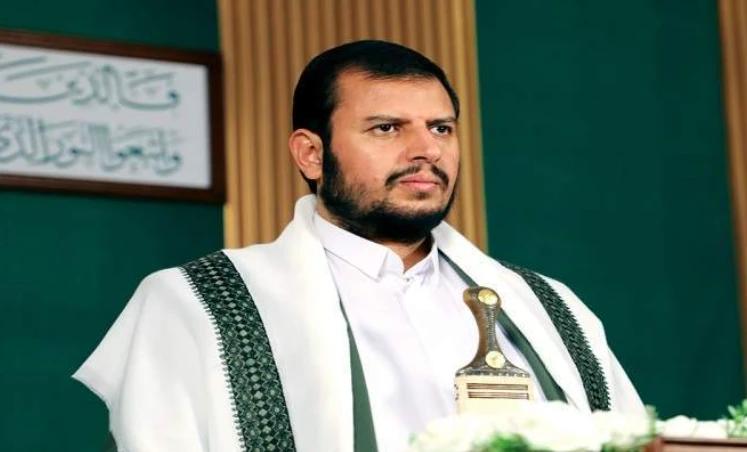

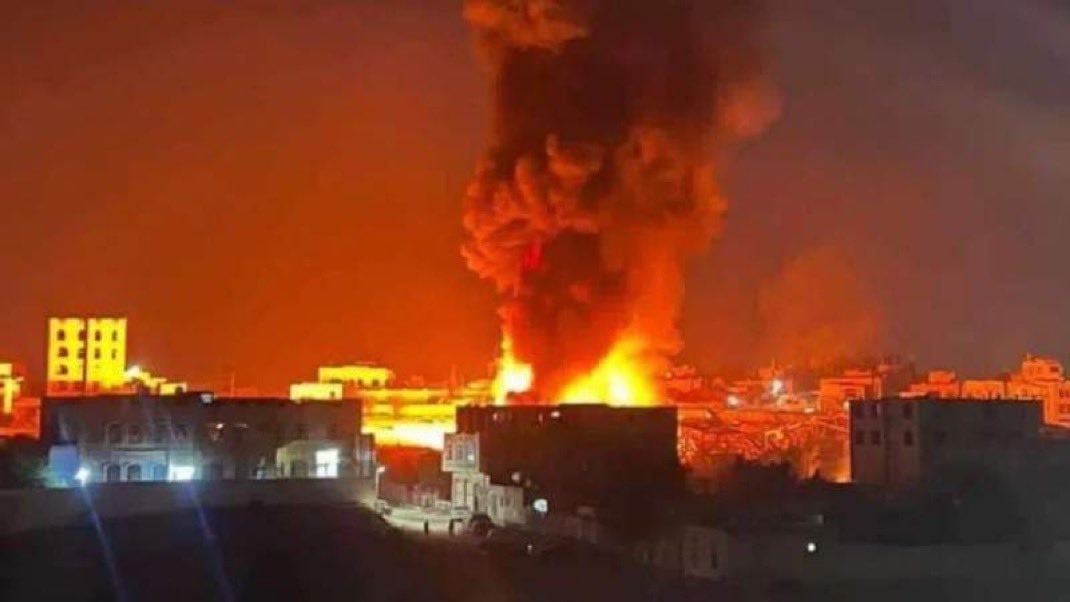
Arab media reported a short time ago (Thursday) that explosions were heard in Yemen’s capital, Sana’a, which is controlled by the Houthi terrorist organization. According to reports, Saudi Arabia is responsible for the strike in the Yemeni city, though it has not officially claimed responsibility.
The leader of the Houthi terrorist organization, Abdul-Malik Badruldeen al-Houthi, reacted to the military action on his territory: “The Saudi aggression intensified the blockade on Yemen following our actions of support for Gaza, thereby serving the Israeli enemy.”
Earlier, Saudi media reported that a senior commander in the Houthi terrorist organization’s intelligence apparatus was assassinated this week along with one of his escorts in a mysterious operation in Sana’a. Media and local sources reported that the Houthi commander was shot alongside one of his escorts by gunmen as his vehicle passed near the local airport. The gunmen managed to retreat from the scene without revealing their identity or the party behind the operation.
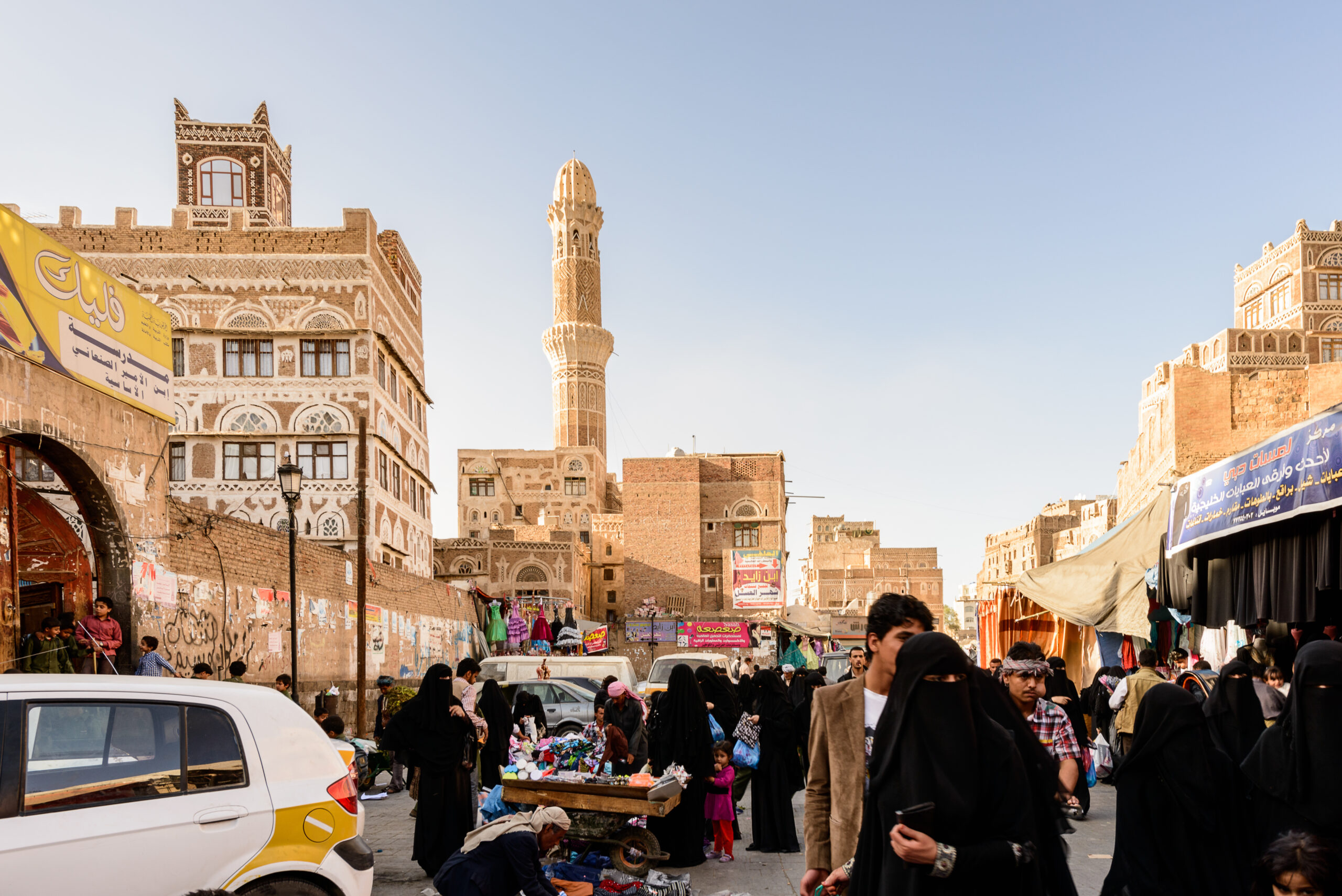
This is not the first time such an assassination has taken place recently. According to Saudi media, there have been quite a few targeted assassinations—both successful and unsuccessful—directed against Houthi commanders and terrorists. The Kingdom further added that the success of the recent assassination, despite the senior official being under heavy security, coupled with the unusual conduct of the terrorist organization, raises questions regarding the Houthis’ control over their areas.
Sources speaking with media in Yemen noted that the escalation in assassination incidents in Houthi-controlled areas reflects the fragility of the terrorist organization’s security system. Beyond that, the assassination exposes a covert conflict between various factions within the Iranian proxy—fighting for influence, resources, and leadership positions.