


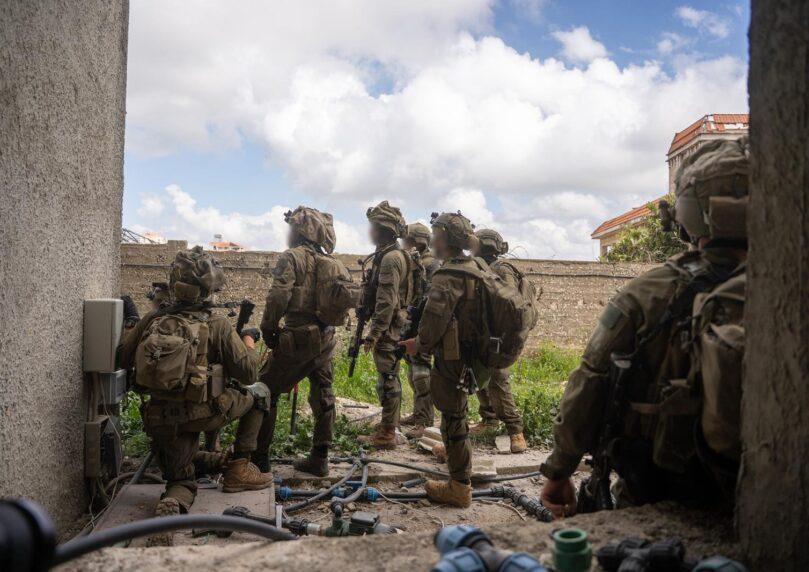

The U.S.-brokered pilot program designed to implement the late-June ceasefire framework in northern Israel and regulate relations with Lebanon is advancing at an exceptionally slow and complex pace. Under the agreement, troop withdrawal is contingent on the controlled disarmament of Hezbollah, but while the terror organization refuses to give up its weapons, implementation of the first zone in the village of Zawtar al-Gharbiyeh last week exposed the massive operational complexity involved in the slow return of residents to destroyed homes and ongoing friction on the ground, Reuters reported Wednesday.

 3+
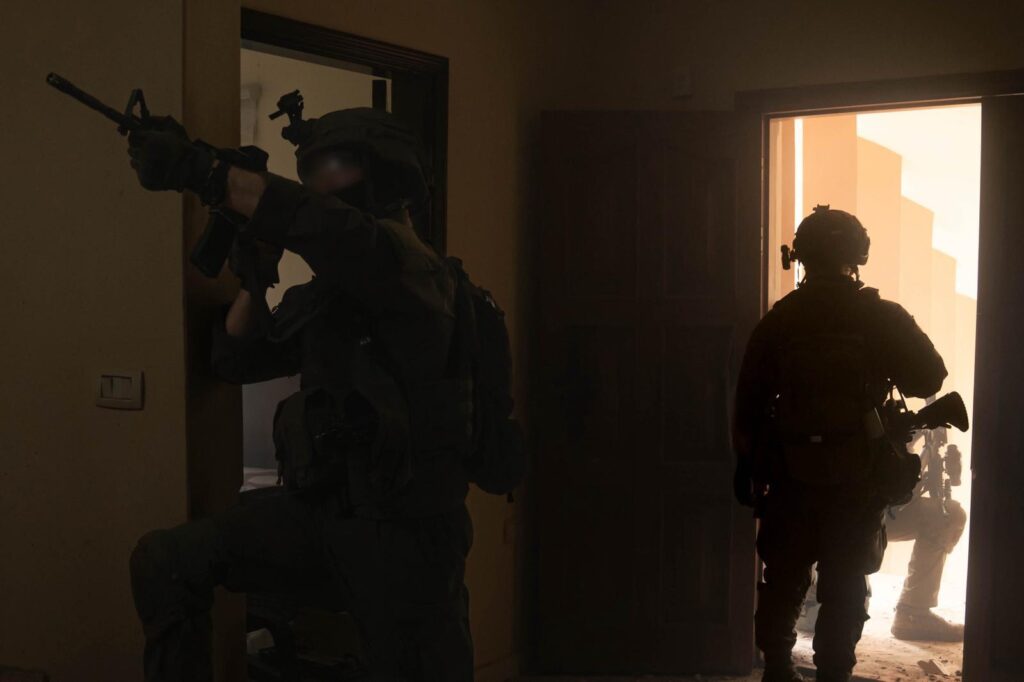
3+Tension on the ground was immediately apparent after Lebanese army troops deployed in Zawtar al-Gharbiyeh as forces withdrew, when IDF units remaining hundreds of meters away in a nearby village opened warning fire after detecting unusual movement toward them.
According to a senior Lebanese military official who spoke with Reuters, weeks of complex U.S.-mediated contacts and full days of military activity were required to establish the first pilot zone in a single village. The complicated move illustrates the great difficulty in implementing a framework contingent on the controlled disarmament of a terror organization that is not an official party to the agreement and which has issued explicit threats of internal civil war if the state attempts to forcibly disarm it.
 3+
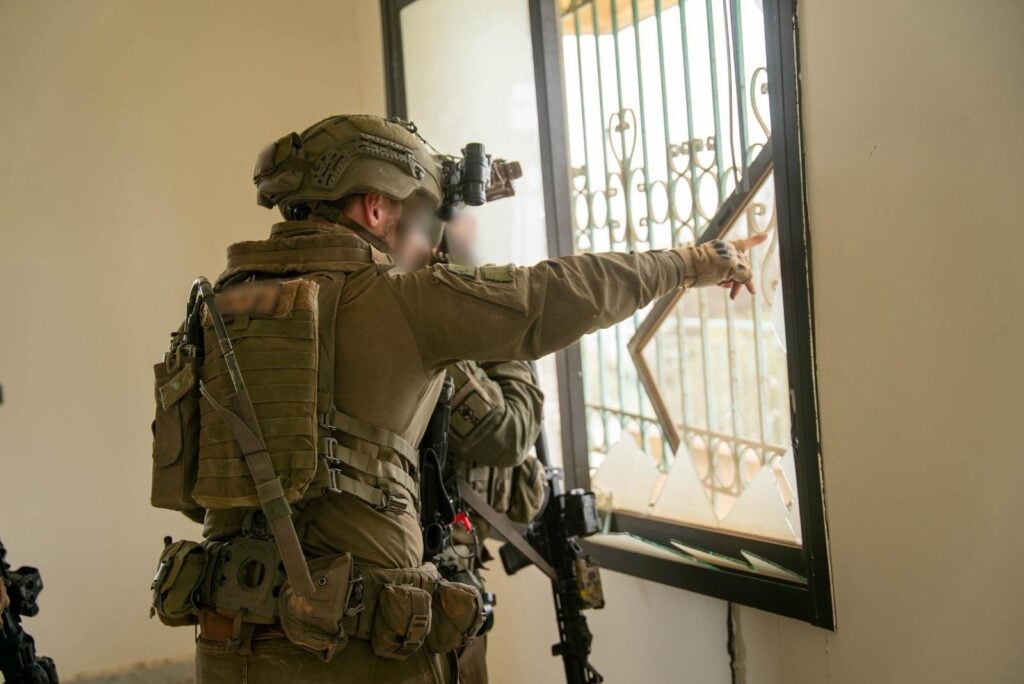
3+While Lebanon plans to propose next week dividing the occupied area into two large sectors that would include dozens of towns—instead of withdrawing village by village—military sources in Lebanon and the international arena estimate that completing the full withdrawal process will take more than a year. The delay stems from a system of complex security challenges, chief among them control of strategic sites like the Ali Taher ridge, where Hezbollah is suspected of operating command centers and weapons storage facilities, as well as the absence of a verified monitoring mechanism or third party to enforce the agreement.
Despite the ceasefire reached last month, IDF forces remain deployed in a series of strategic towns north and east of Zawtar, including the Beaufort fortress situated on a commanding ridge, and have made clear they will remain in the sector as long as necessary to ensure the threat is removed. Experts note that the agreement signed on June 26 does not include predefined timetables for withdrawal or demilitarization, and warn that any attempt to forcibly disarm Hezbollah carries a real risk of igniting a bloody internal conflict in Lebanon.
 3+
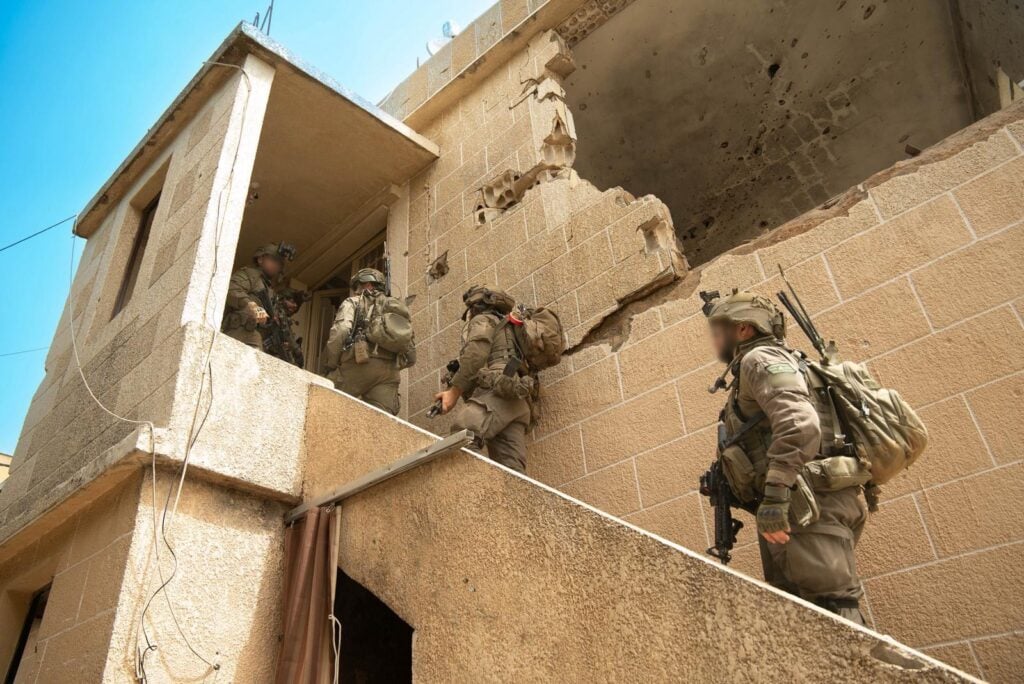
3+Earlier Wednesday, the IDF confirmed that overnight, Hezbollah launched an explosive drone at IDF engineering equipment in the Ali Taher ridge area. There were no casualties to Israeli forces. This constitutes a blatant violation of the Lebanon ceasefire agreement by Hezbollah. The IDF stated: “IDF forces continue to operate in the ridge area and will not allow terrorists in the area to advance and execute terror attacks against IDF forces.”
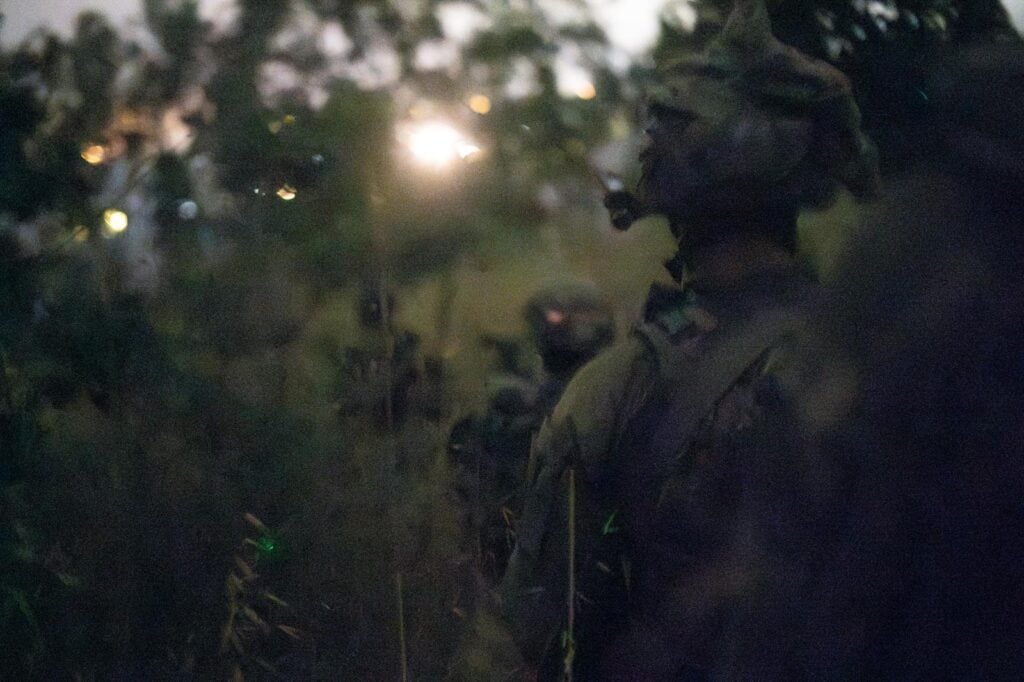
Earlier this month, the United States announced that the first pilot zones in southern Lebanon had begun operating in the villages of Farun, Sarifa, and Zawtar al-Gharbiyeh. According to the State Department announcement, the activity is being carried out in accordance with the trilateral framework between Israel, Lebanon and the United States, and under the supervision of the Military Coordination Group for Lebanon.
 3+
3+The announcement stated this was a “milestone” born from the round of talks held last week in Rome between Israeli and Lebanese delegations, with American mediation. The U.S. noted it would continue working closely with both sides to complete implementation of the agreements and bring the process to a successful conclusion.
The pilot zones represent the first stage in implementing the trilateral framework signed last month. Under the agreement, the Lebanese army is supposed to assume full security responsibility in designated areas after verifying the dismantling of infrastructure belonging to armed organizations not subordinate to the state. Simultaneously, the process is designed to enable gradual withdrawal of IDF forces from areas in southern Lebanon, in accordance with meeting the established security conditions.