


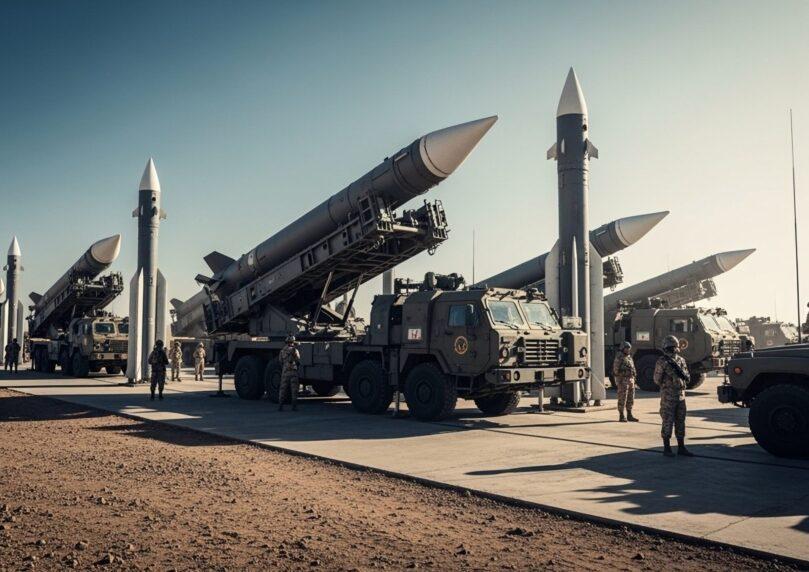

Iran is expected to receive its first shipment of hundreds of Chinese-made air defense systems in the coming weeks, Reuters reported, citing three sources involved in the matter. The deal includes between 300 and 400 shoulder-fired missiles—QW-12 and FN-16 models—valued at $60 million to $70 million.

 2+
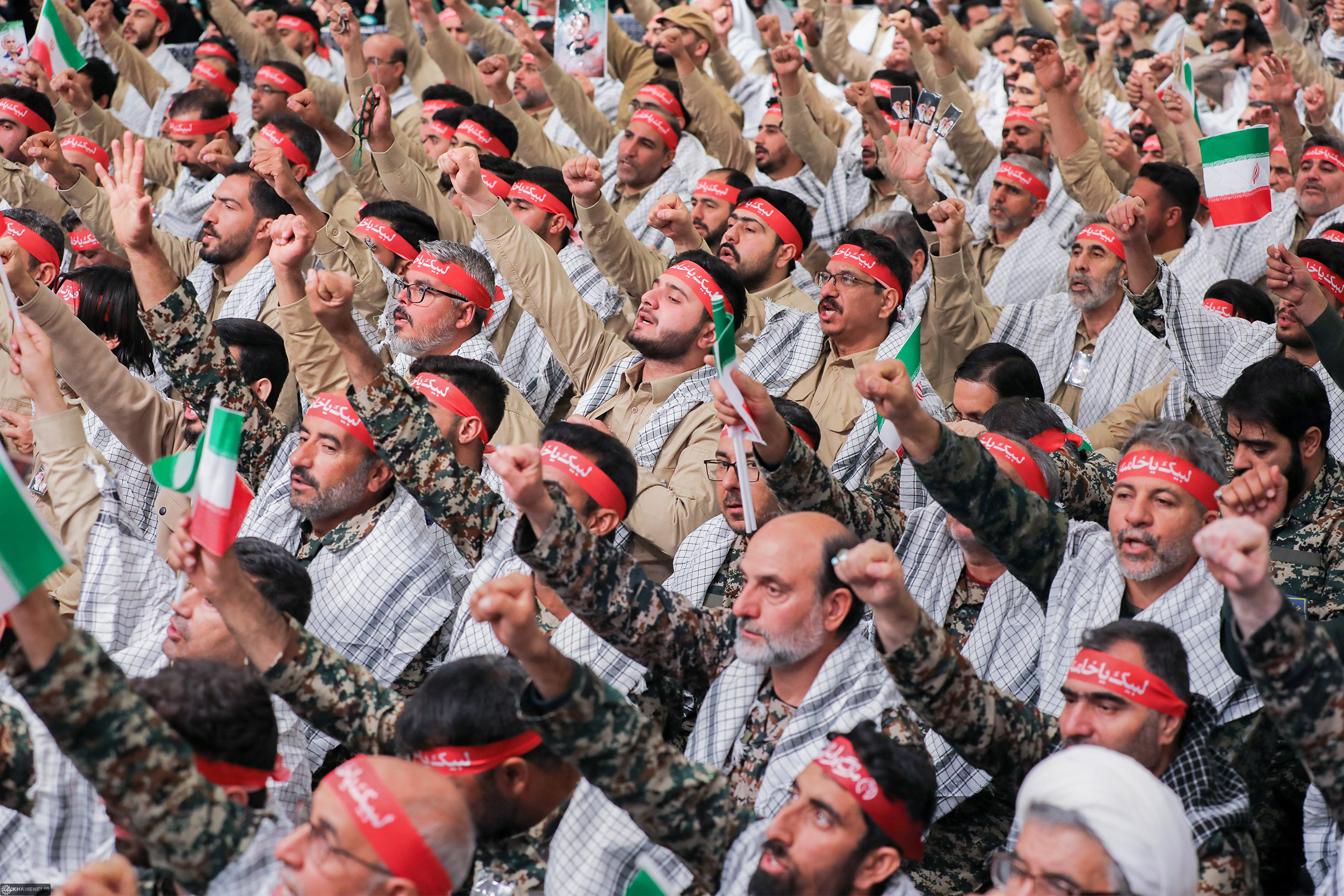
2+The arms buildup comes against the backdrop of Iran’s ongoing conflict with the United States and Israel. According to security sources, recent months of fighting have exposed weaknesses in Tehran’s ability to protect military installations and strategic infrastructure from advanced aircraft and precision weapons.
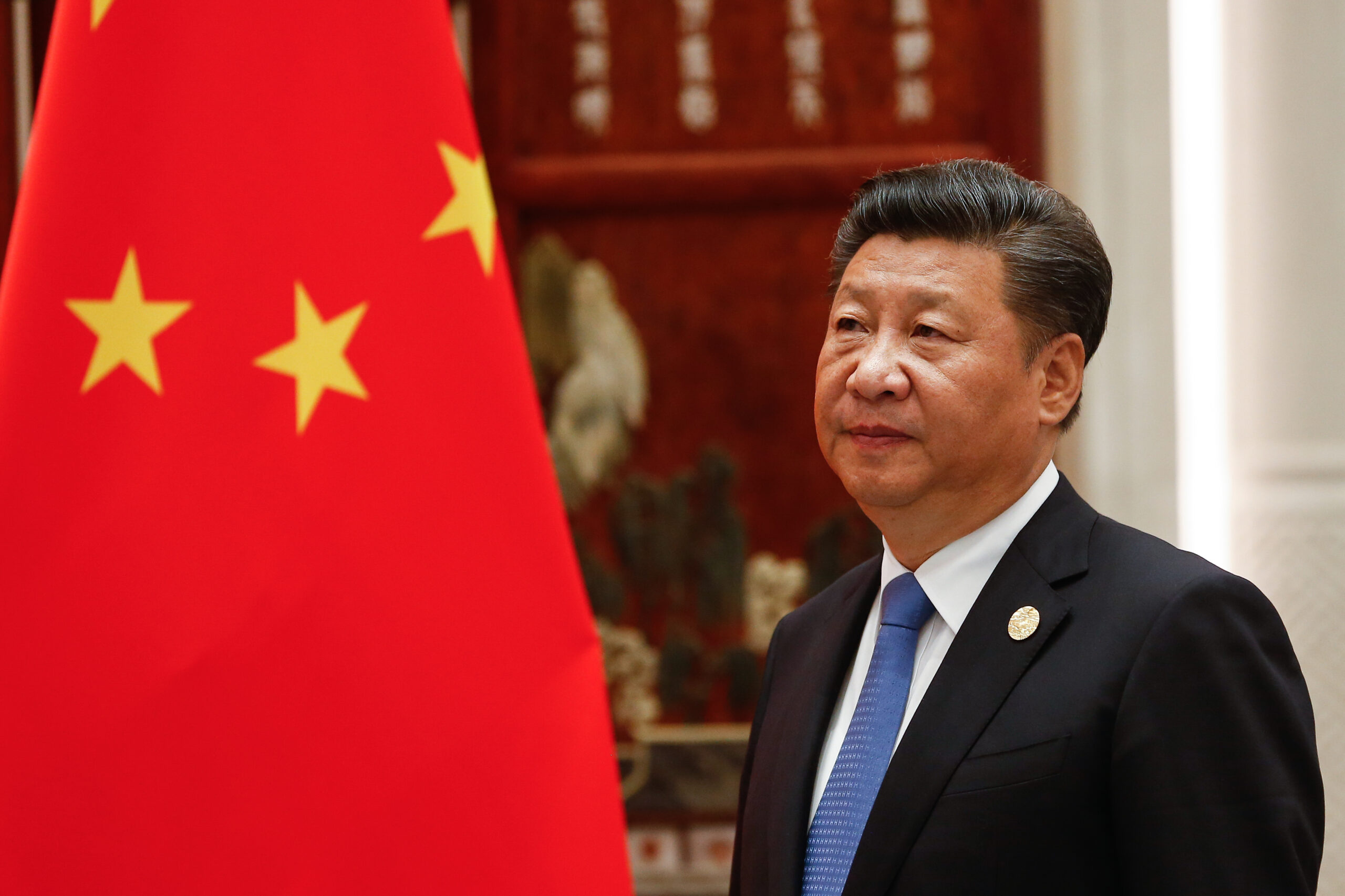
The deal was signed with Zhongqing Baoshang International Investment, a Hong Kong-based company serving as an intermediary between Tehran and the Chinese supplier. Despite the detailed reports, China’s Foreign Ministry rejected the claims as “baseless,” emphasizing that China is working to promote peace in the region.
 2+
2+Pakistan’s military also strongly denied any involvement in the supply route. According to the original plan, the equipment is supposed to be shipped by air from Urumqi in western China and pass through Pakistan on its way to Iran. However, intelligence sources say Iran is also exploring overland routes to reduce the risk of disruptions or interception of the shipments.
Security experts explain that the importance of shoulder-fired missiles lies in their mobility. Unlike fixed air defense batteries that are exposed to attack, small teams can quickly move shoulder-fired missiles and position them near oil fields, power stations, and military bases. The systems are designed to engage low-altitude targets, with an emphasis on helicopters and unmanned aircraft.
 2+
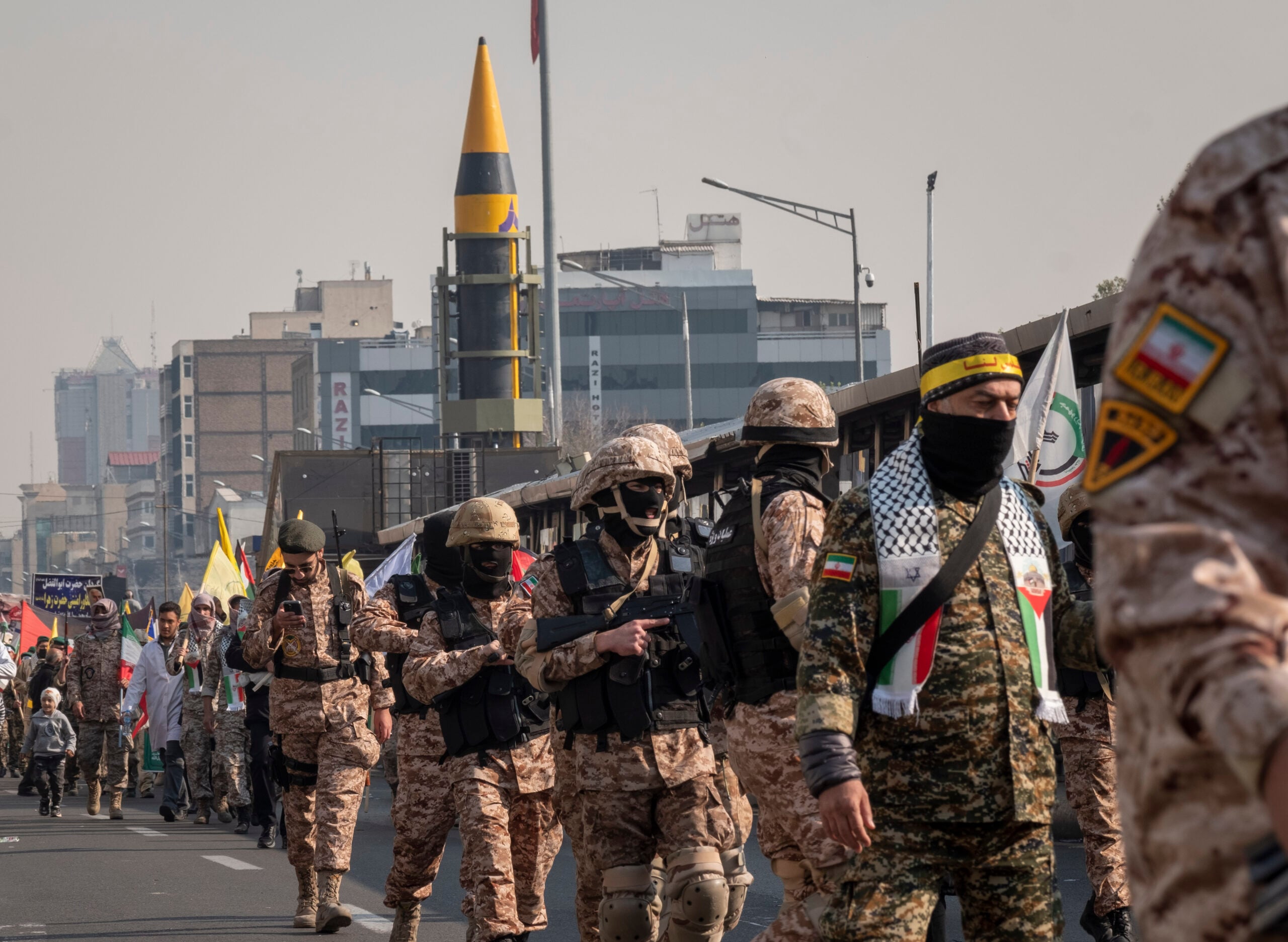
2+Alongside the shoulder-fired missile deal, reports have emerged that Iran is also conducting talks with China to purchase anti-ship cruise missiles—a move that could further deepen military cooperation between the countries despite international sanctions imposed on Tehran.