



For months, it seemed like the Islamic Republic was approaching its moment of reckoning. Israel and the United States applied unprecedented military pressure, senior regime figures were eliminated, and Western officials were already debating who would lead Iran the day after. Yet despite it all, the regime survived. Now, a comprehensive investigation by Reuters reveals that one of the main reasons was the weakness of the Iranian opposition itself—and the absence of a credible alternative government.

 1+
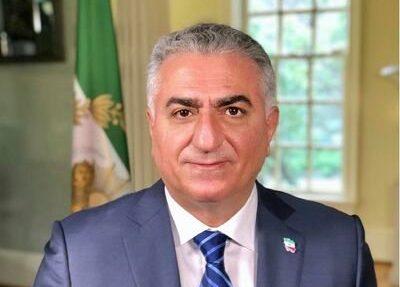
1+At the center of the investigation stands Reza Pahlavi, son of Iran’s last shah. Earlier this year, many in the West and among Iranian exiles saw him as the natural candidate to lead a transitional government after the regime’s fall. He raised millions of dollars from donors, met with senior American officials, and presented himself as ready to lead Iran into a new era. But according to Reuters, behind the scenes it became clear that the Trump administration never viewed him as an official candidate to lead the country—and at one point made clear publicly that there was no plan to install him at the helm of Iran.
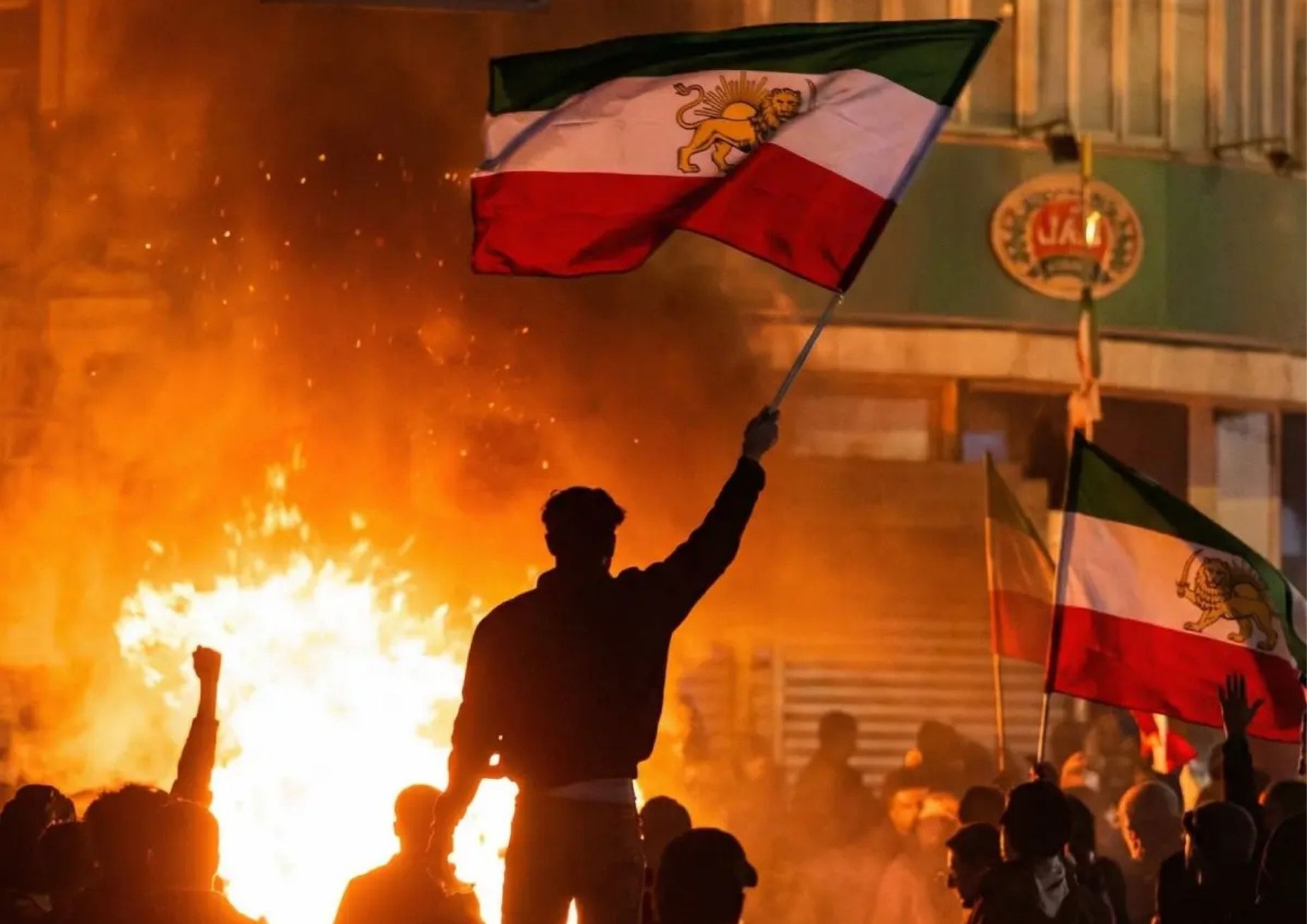
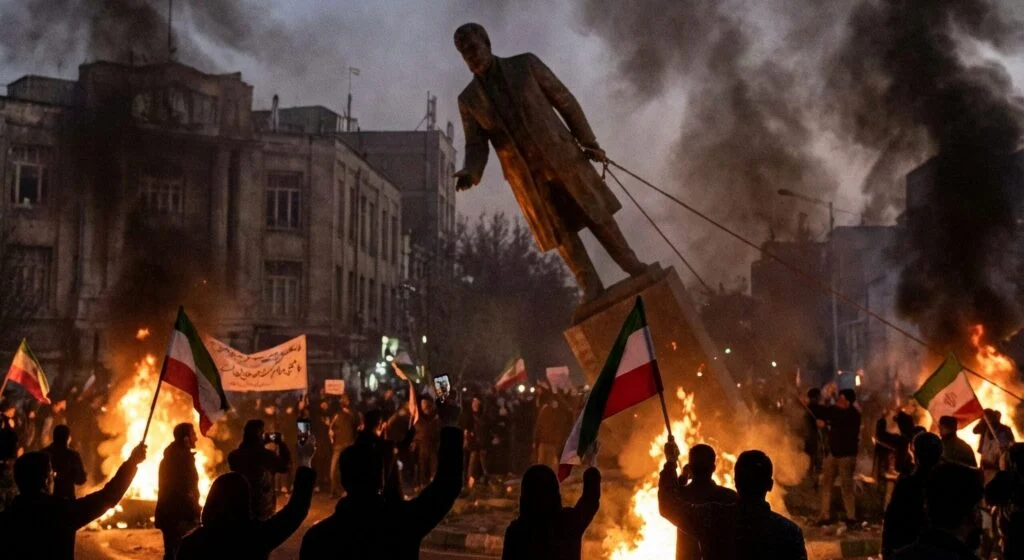
But the problem ran far deeper than one man. According to the investigation, the Iranian opposition is fractured among monarchists, republicans, leftist organizations, ethnic groups, and other factions that can’t agree on a single leadership or on what post-theocracy Iran should look like. Several attempts to unite the camps collapsed, and internal battles made the possibility of establishing an alternative government especially complicated.
 1+
1+Reuters adds that even within Pahlavi’s camp of supporters, disappointment set in. Some donors, who invested more than three million dollars in his activities, felt he didn’t act decisively enough to unite the opposition and didn’t clearly distance himself from extremist supporters linked to violent incidents against other regime opponents. Pahlavi rejected the claims, condemned the violence, and emphasized that his role is not to rule Iran but to help facilitate a transition to democracy that will be determined by the Iranian people.
The investigation’s main conclusion is that even after the severe blow to the regime, there was no actor who enjoyed broad legitimacy inside Iran, unity among the opposition, and international backing that could have replaced the theocracy. According to Reuters, this is one of the central explanations for why military pressure didn’t lead to the regime’s collapse—because there was no ready alternative that could seize power at the critical moment.