


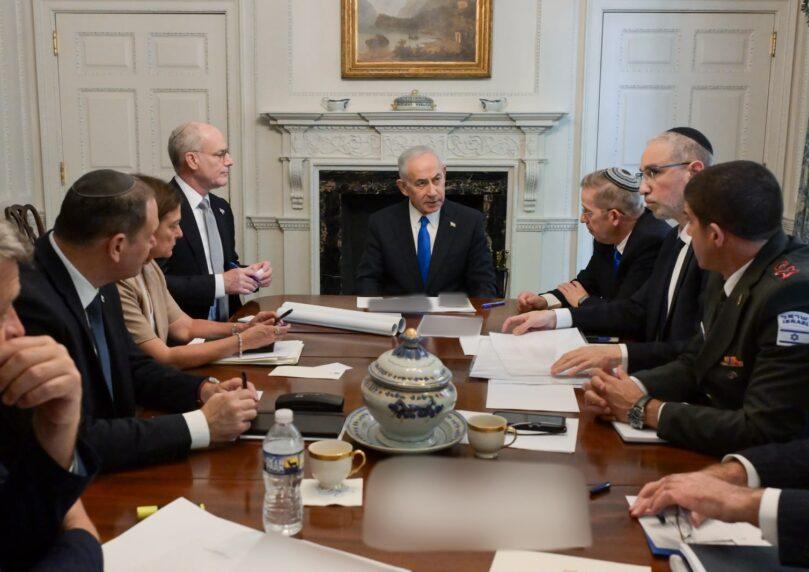

Prime Minister Benjamin Netanyahu arrived at the White House for his meeting with President Donald Trump, which is expected to begin shortly.

 2+
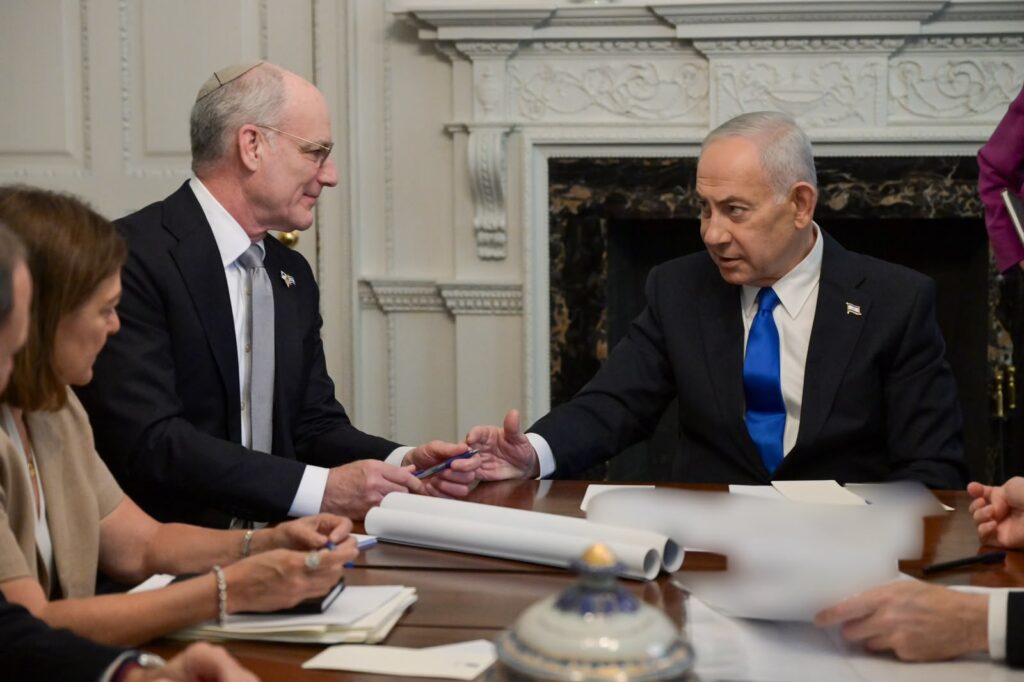
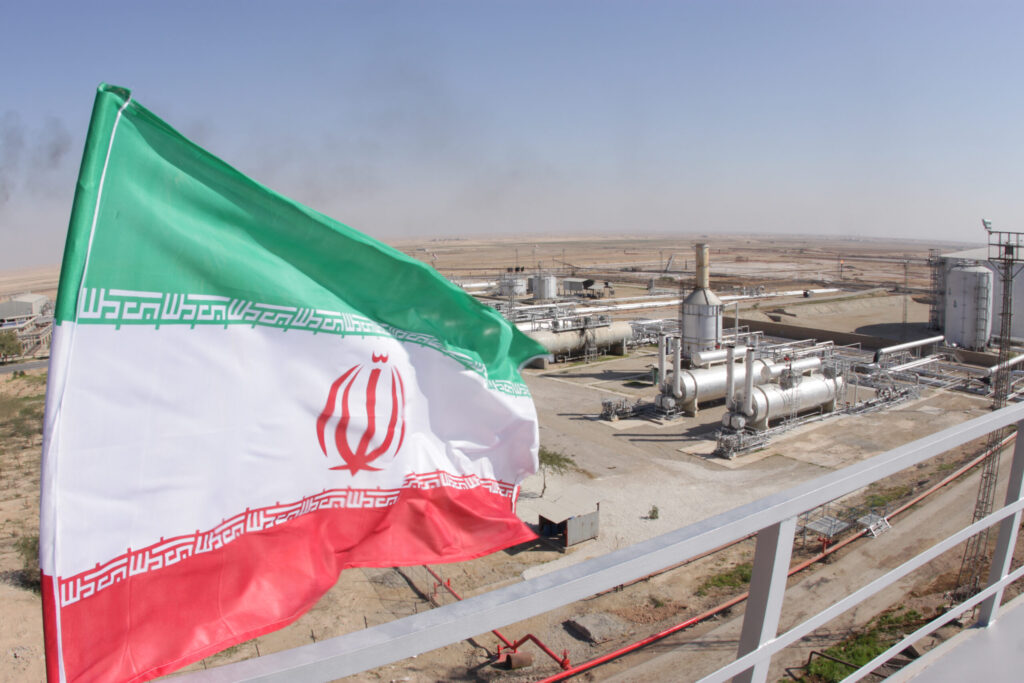
2+Iran dominates the agenda: The central issue on the table is the ongoing campaign against Iran. Israel is hoping to see the American administration renew massive military pressure, and possibly even return to high-intensity bombing of Iranian targets. At the same time, Netanyahu is acting with great caution to avoid being portrayed as dragging the United States into a war that’s unpopular with the American public ahead of elections.
Beyond Iran, the leaders are discussing the situation in Gaza. Jerusalem expects President Trump to formally declare that Hamas is the party violating agreements by refusing to disarm. The talks will also cover negotiations for an arrangement in Lebanon with Hezbollah, as well as the F-35 fighter jet deal with Turkey—an issue that raises concerns in Israel but hasn’t been taken off the table yet.
 2+
2+Vice President J.D. Vance is also participating in the White House meeting, and according to reports, Netanyahu is seeking separate meetings with him and with Secretary of State-designate Rubio. Another interesting development involves the presence of Ukrainian President Volodymyr Zelensky at the White House at the same time. Following Ukraine’s recent strike against an Iranian ship carrying drones to Syria, the possibility has emerged that Trump might use the proximity of the meetings to arrange a three-way conversation between Netanyahu, Zelensky, and himself—a move that could signal a united front against the Iranian axis.
Contrary to certain reports in Israel, political sources clarify that the American administration did not set preconditions or demand Israeli concessions in Gaza as a condition for holding the meeting. In fact, it was Prime Minister Netanyahu who postponed the meeting in recent weeks for various considerations. After the political meeting concludes, the leaders and their delegations will attend the funeral ceremony for Senator Graham, who was a central pillar in the close relationship between Jerusalem and Washington.
 2+
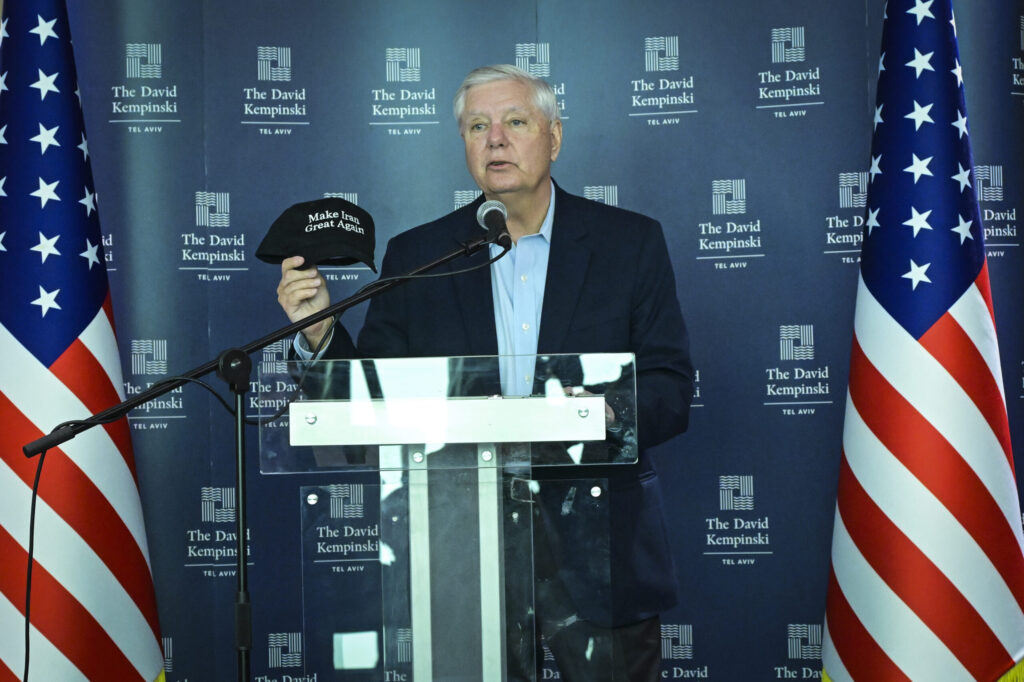
2+The Republican senator from South Carolina died at age 71 following a sudden and brief illness. Graham was a very familiar figure on the international stage and particularly in Israel, which he visited many times. He was considered one of the most prominent and determined voices in the American political arena for Israel’s security, leaving behind a legacy of unwavering support and strategic partnership. Just in February 2026, he delivered remarks in Tel Aviv.