


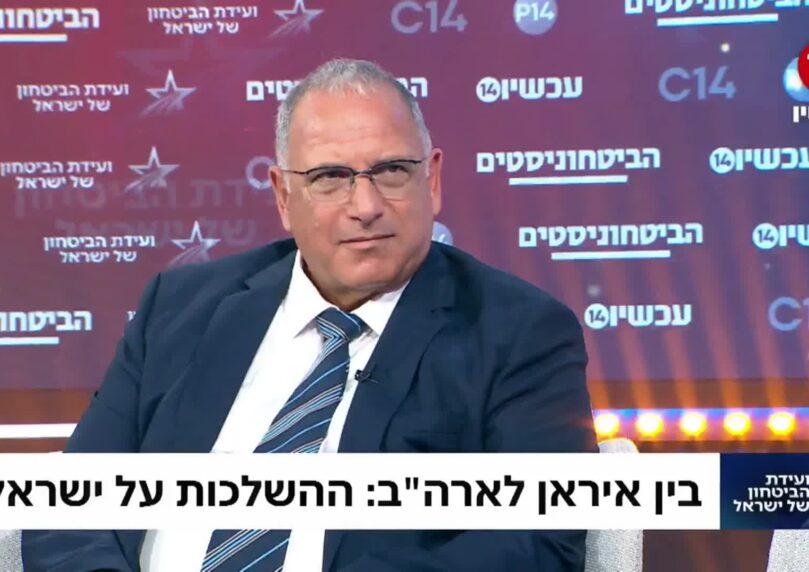

Lt. Col. (res.) Ofer Malka, a former senior official in the Prime Minister’s Office, addressed Channel 14’s Security Conference today (Tuesday) about the achievements and lessons from Israel’s last two rounds against Iran, and answered the burning question: where is the current war headed?

 2+
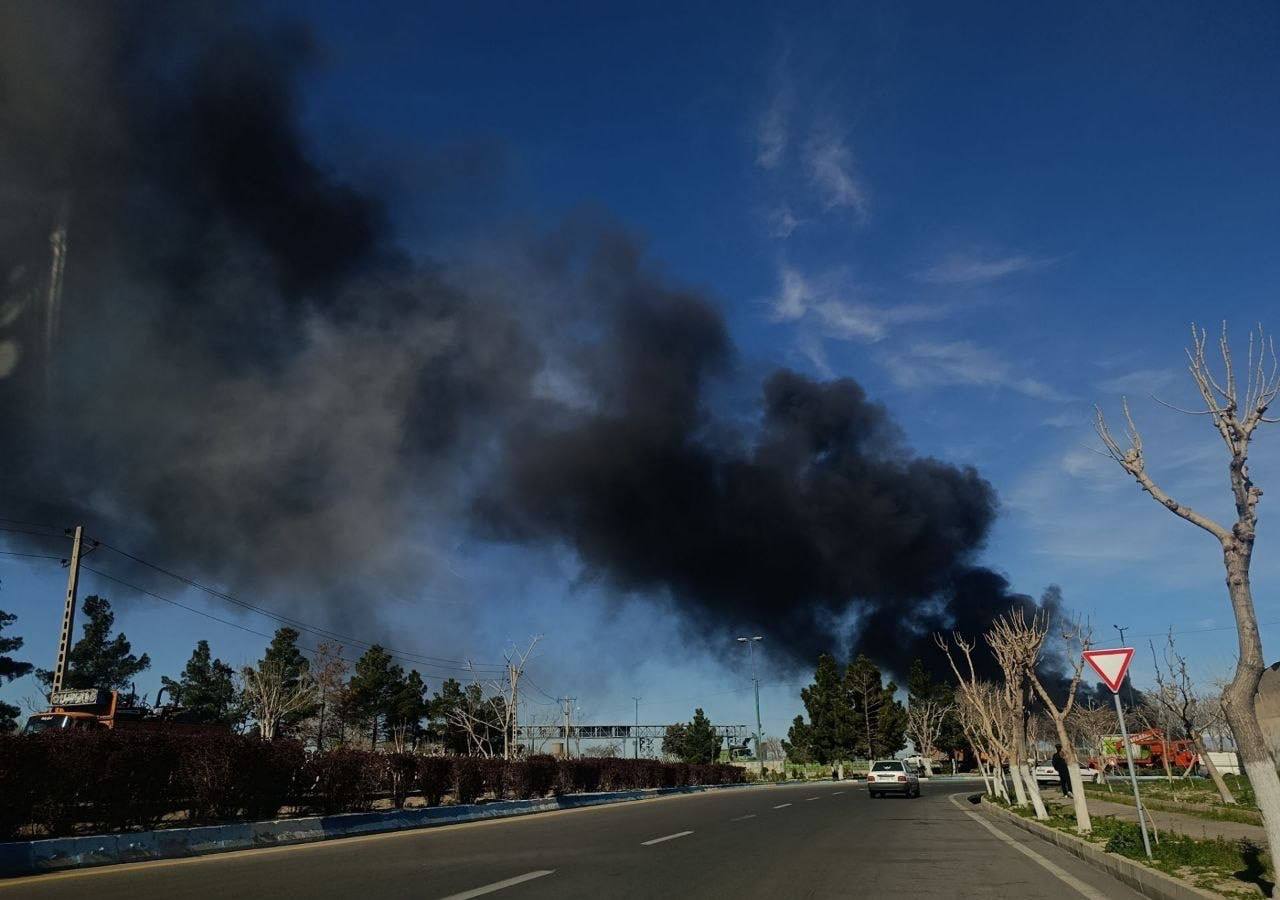
2+According to him, Israel’s security reality has fundamentally changed. While the dominant concept used to be “the campaign between wars” characterized by covert activity under the radar, today we’re in an era of “war between wars”—continuous attrition warfare with “peaks” of high-intensity combat.
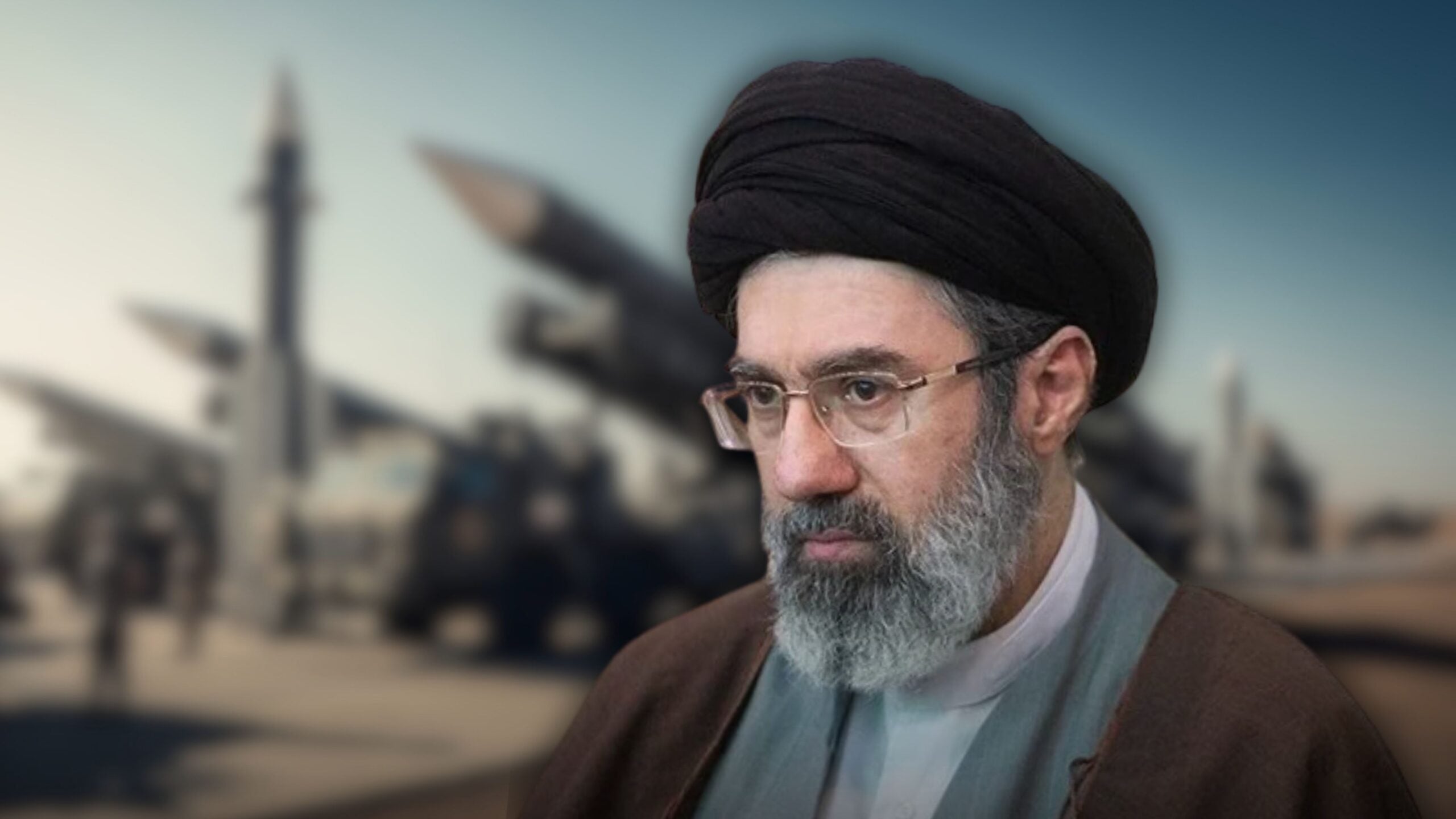
Malka explained that this situation primarily serves the Iranians, since it unites the Iranian public against an external enemy, and is expected to continue until an agreement is reached—though it’s currently unclear whether it will only cover freedom of navigation in the Strait of Hormuz or also address nuclear and ballistic missile components.
 2+
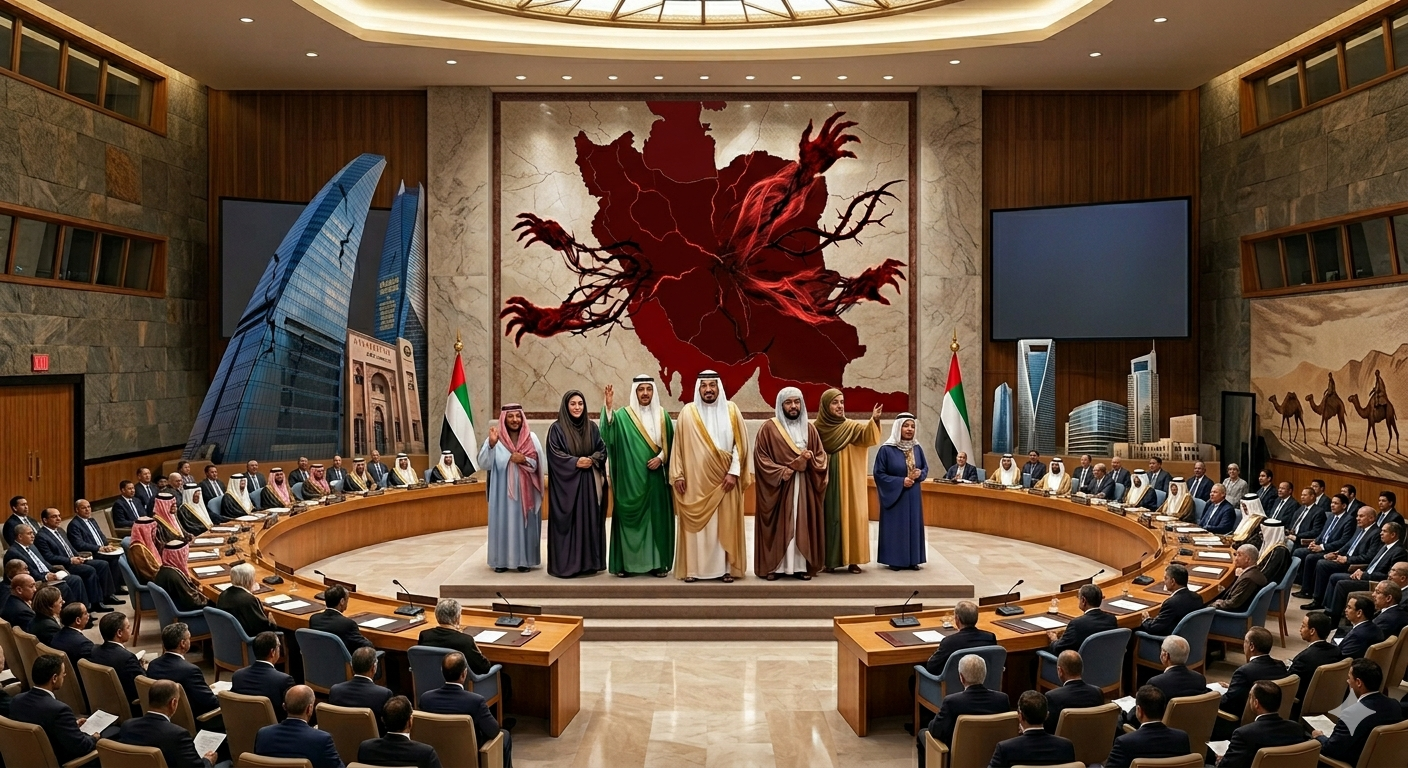
2+On the regional level, Malka called for leveraging the campaign against Iran to shift the paradigm in relations with Gulf states: “I think there are several interesting things here that we need to take and learn from—the first thing is that Iran has attacked all the Gulf states and the countries around it. I think this is an opportunity to expand the Abraham Accords beyond economic cooperation agreements to a strong military alliance as well, and there’s no reason why the countries that were attacked shouldn’t wage all-out war and not just let the United States attack on their behalf.”
He also proposed establishing a regional alliance, a kind of “Middle Eastern NATO,” that would unite Israel with the Sunni states—including Saudi Arabia, Kuwait, and Bahrain—against the shared Shiite enemy. Malka emphasized that such an alliance is especially critical given that American interests don’t always align with those of its regional allies.
 2+
2+Another key point Malka raised concerns defense industry independence and the armaments issue. According to him, Israel must ensure independent production capability to avoid dependence on the goodwill of foreign governments that might halt supplies at critical moments. Finally, Malka suggested reexamining the IDF’s strategic priorities: investment in precision missile systems versus continued massive investment in the air force.
According to him, while the air force requires enormous logistics, complex refueling, and risks pilots’ lives, missile systems offer precise, cheaper, and easier-to-operate strikes that achieve impressive strategic results, as seen in recent attacks in the Gulf region.