


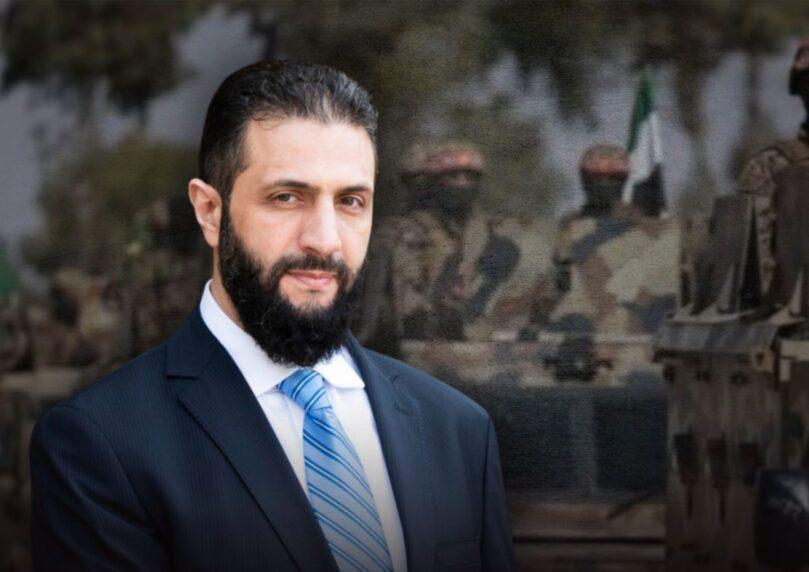

In an exclusive interview with Al Jazeera, Syrian President Ahmed al-Sharaa delivered unprecedented statements that shed light on his strategic intentions. Beyond the public messaging, the interview reveals a complex web of political and military interests—from attempting to reach a quiet deal that would tie Israel’s hands, to seeking international legitimacy, to deep maneuvers designed to establish absolute control inside Syria while pushing aside opponents and minorities.
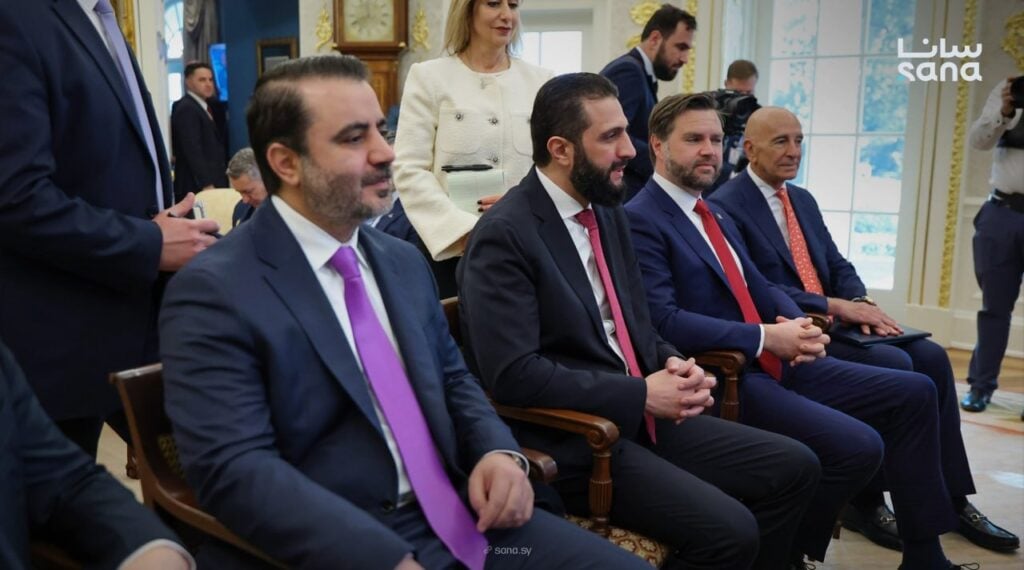
The interview’s central revelation concerns the first admission by an Arab leader in history that his government is conducting talks for a security agreement with Israel with the participation of a group of countries. Al-Sharaa stated they are avoiding confrontation and working to reach an agreement that would lead to comprehensive peace, without giving up Syria’s right to the occupied Golan. In practice, this means demanding an Israeli withdrawal from southern Syria and reaching a “quiet deal” that would prevent the IDF from operating freely or bombing in the area, while avoiding recognition of Israeli sovereignty in the Golan or advancing full normalization along the lines of the Abraham Accords at this stage.
Beneath the moderate rhetoric lies a clear action plan designed to establish harsh internal control. After crushing the Kurds and neutralizing the Alawites, al-Sharaa is setting his sights on taking over the Druze Mountain in Suwayda province, even at the cost of violent confrontation or harming the local population, with the goal of establishing an Islamic theocratic state. Meanwhile, he maintains an iron fist and ignores the rights of other minorities in the country.
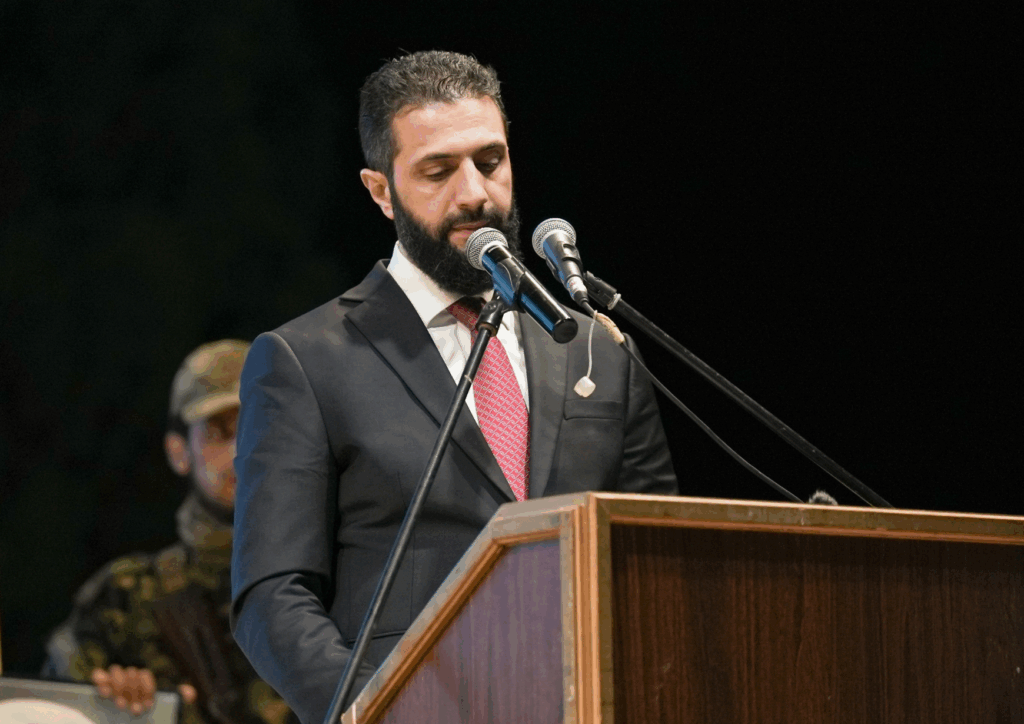
At the same time, al-Sharaa is trying to whitewash his public image. As someone who previously led an al-Qaeda-type terrorist organization, he’s trying to signal to the West, the U.S., and Gulf states that he is pragmatic and unlike the Assad regime or Iran, aiming to remove sanctions, receive reconstruction funds, and be recognized as a legitimate president. As part of his attempts at differentiation and regional influence, al-Sharaa also addressed Lebanon in the interview and stated that Syria has no intention of military intervention in its neighbor. He supported the Lebanese state having an exclusive monopoly on weapons and on decisions of war and peace, while warning that chaos in Lebanon would directly harm Syria’s stability.
Al-Sharaa is leading these moves from a deep understanding of his situation and his country’s condition. He emphasized that Syria does not want to continue the legacy of political mistakes of the last 80 years, and due to its economic, military and social devastation against the remnants of ISIS and numerous militias, he needs quiet on his borders to rebuild the country without being dragged into destructive confrontations that would collapse his rule.
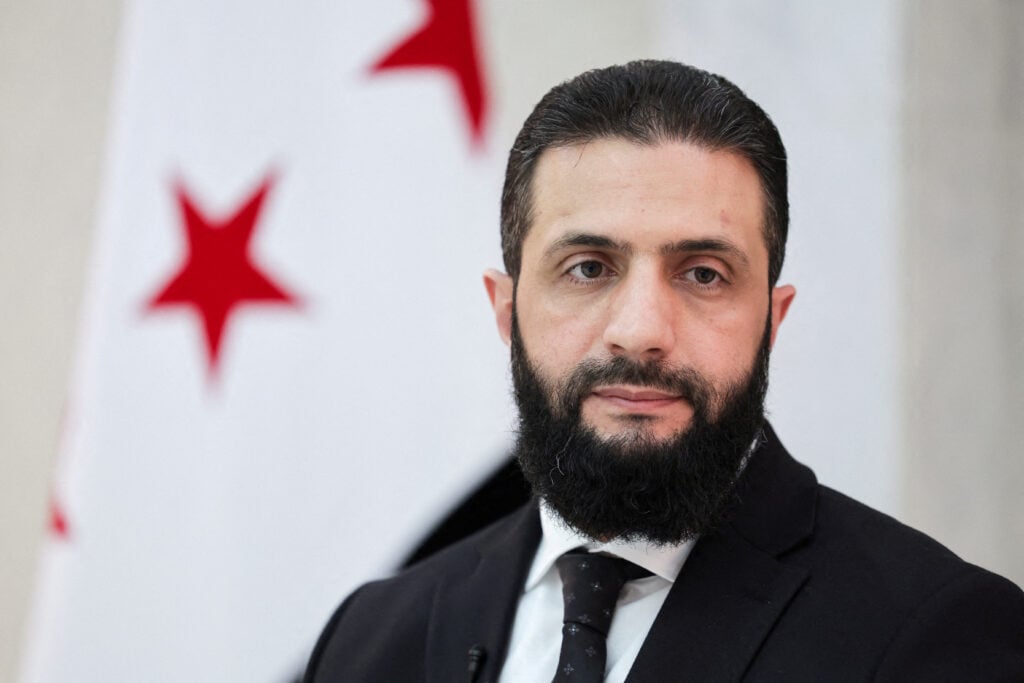
The Syrian arena is emerging today as one of the most dangerous and sensitive sectors for Israel, especially after the weakening of Hezbollah in Lebanon. Under a veneer of pragmatic pretense, Syria houses extremist Islamist militias that could threaten the country’s security. Experts emphasize that Israel has a moral and national obligation not to allow al-Sharaa to harm the Druze in the Suwayda Mountain or establish himself militarily near our border, and that any future agreement or contact must be managed with deep suspicion toward a leader whose entire goal is survival and consolidating his Islamic regime.