


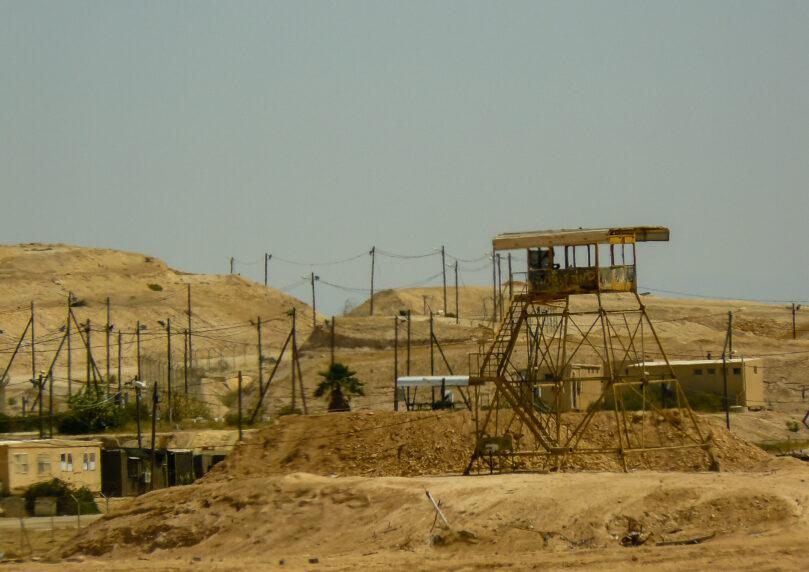

For years, footage of Arab contractors inside IDF bases has raised questions about their presence near sensitive and classified facilities. Tonight we’re revealing a series of investigations conducted at several IDF bases that paint a severe and troubling picture of information security failures.
 4+
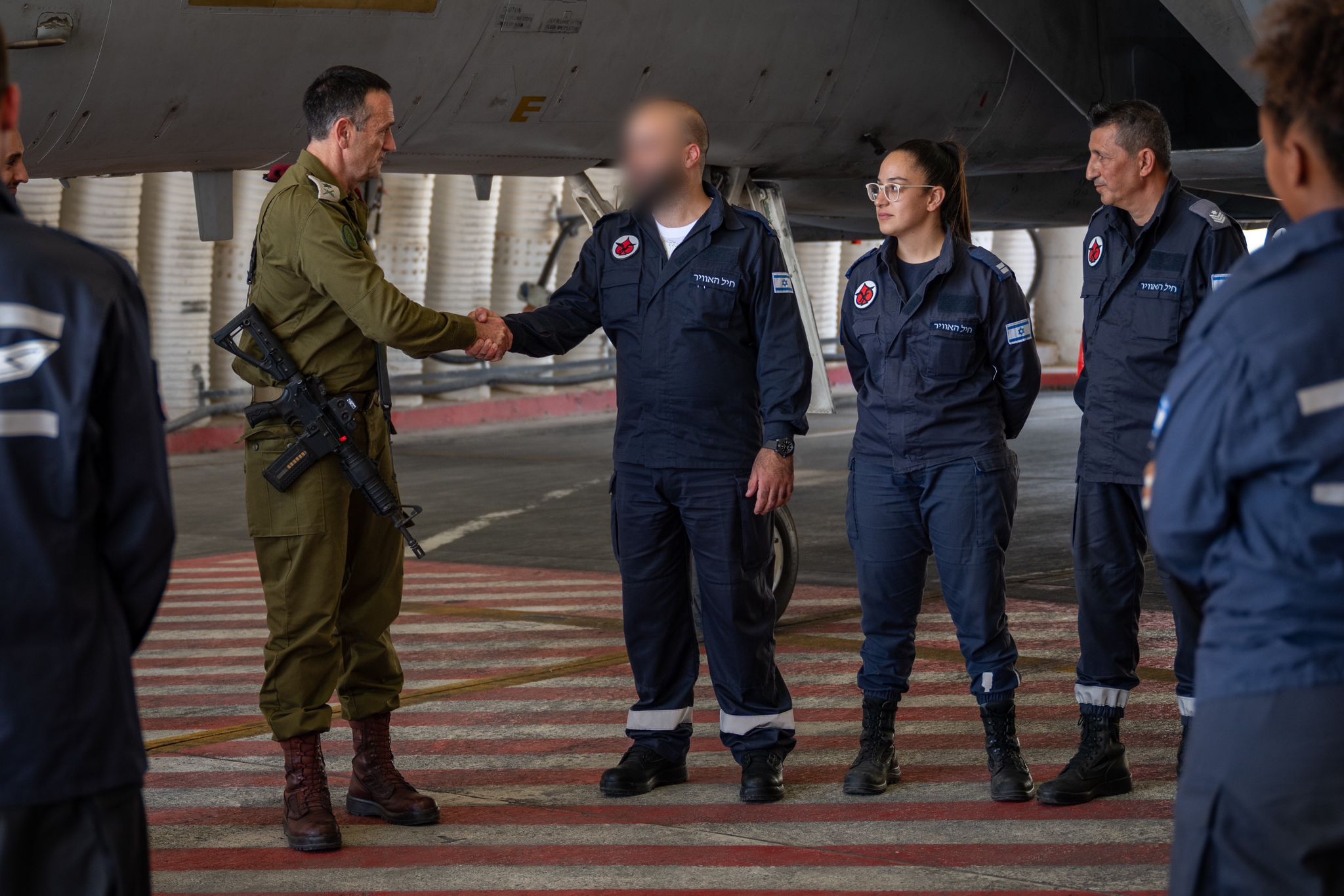
4+As Channel 14 previously exposed, an investigation at the Tel Nof Air Force base found the base was completely exposed from an intelligence standpoint to the Hamas terror organization. The exposure was made possible in part by Israeli civilians and workers who worked in and around the base.
Following the severe findings, the Intelligence Directorate distributed guidelines last month regarding contractor access to IDF facilities. In one case, a Defense Ministry sealing contractor was involved in serious offenses, including security violations in five separate incidents at IDF bases including Hatzor, the Navy shipyard, Tel Nof, and Hatzerim.
 4+
4+Filming Fighter Jets and Facilities Inside Hatzor Base
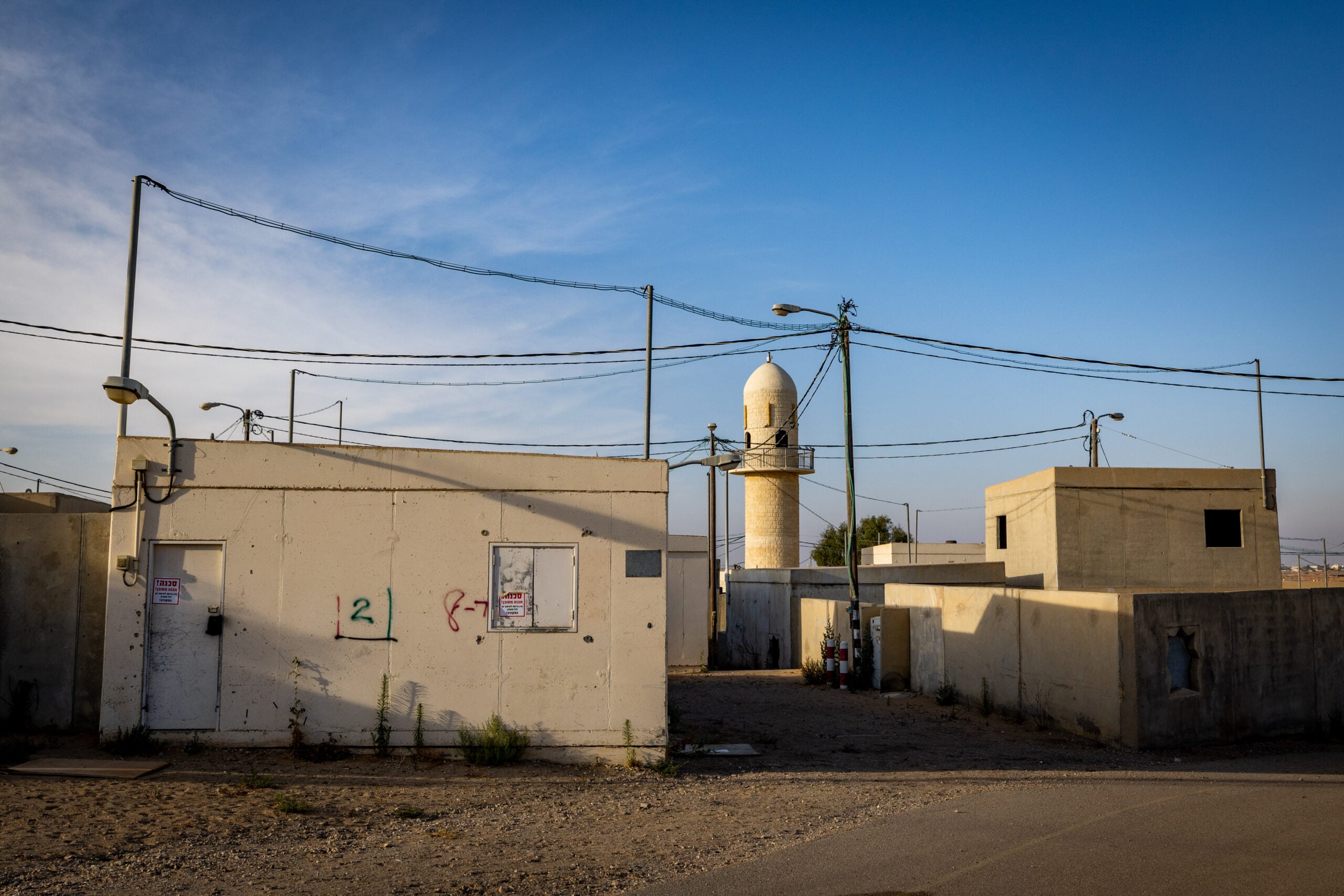
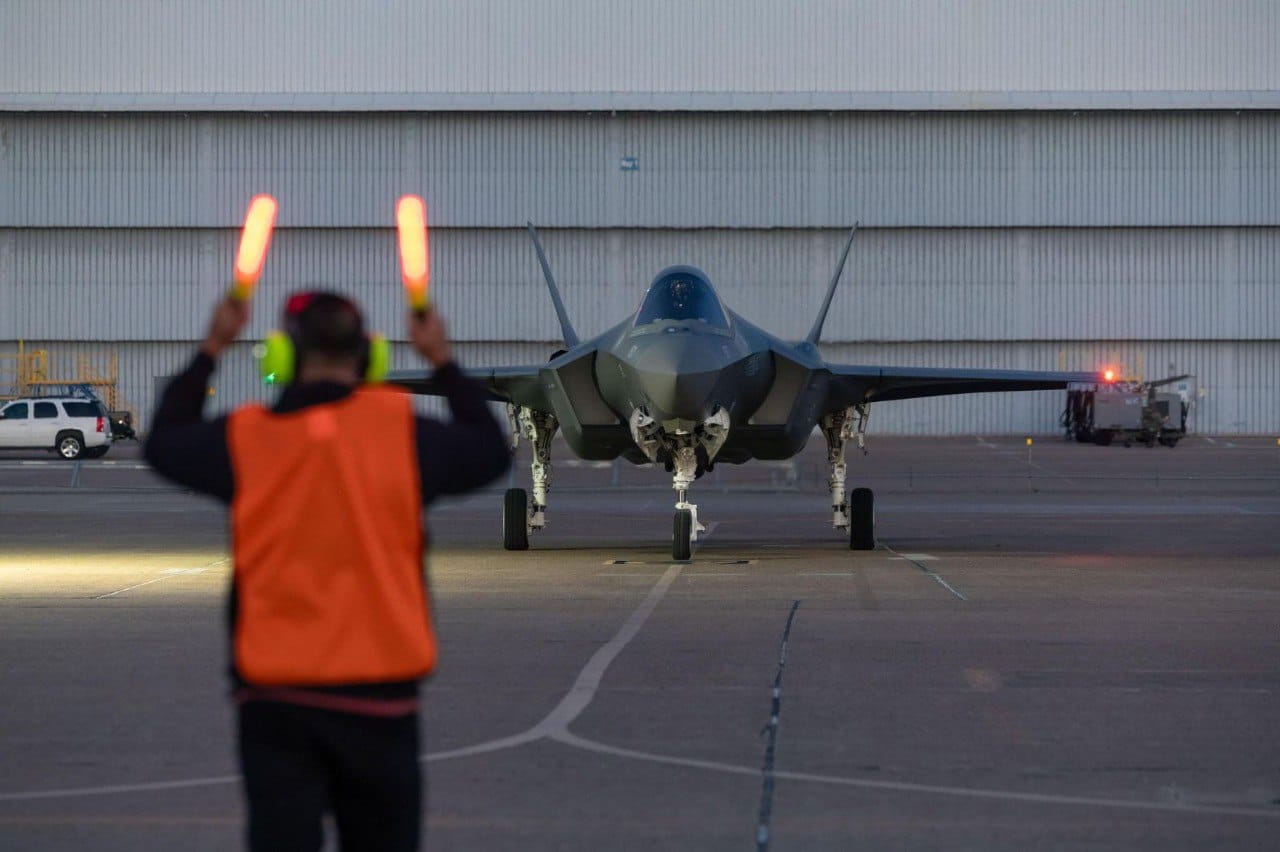
One incident occurred in August 2024 at Hatzor Air Force base, considered one of the Air Force’s most strategic bases. According to the investigation, an employee of a subcontractor performing renovations was caught photographing fighter jet takeoffs near the control tower.
The investigation also found that the work manager supervised workers who hadn’t undergone security clearance. The workers entered the base without depositing their phones, which contained active SIM cards. One worker entered using another visitor’s tag, and his device contained a gallery that included photos of aircraft takeoffs, control tower operations, and other facilities.
 4+
4+Another worker was also caught with an active phone containing numerous photos from inside the base. The information security officer’s investigation concluded that “it cannot be ruled out that the photos taken were transferred to additional parties.”
Just two months later, another serious incident occurred at the same base. Three contractor employees committed security violations, with one impersonating another person after being denied entry to the base. The three were caught on exit, when it was discovered they had removed stickers from their phones meant to prevent camera use and photographed classified images at various sites.
 4+
4+Forged Permits and Equipment to Jam Encoders
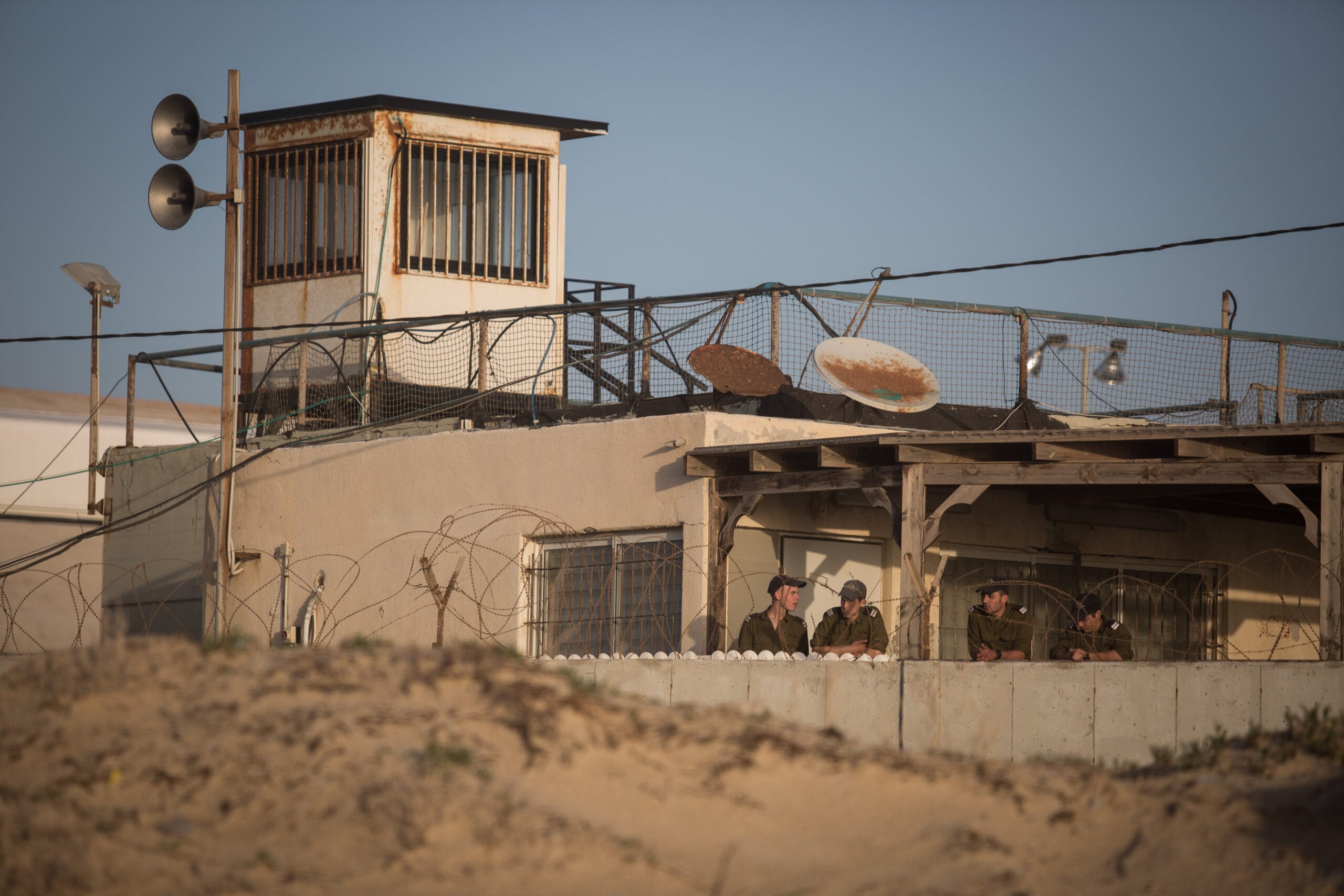
In late October 2024, another incident occurred at the Navy base. A person was identified moving freely and loading equipment into the contractor’s vehicle. Investigation revealed he tried to steal military equipment, and that another worker who hadn’t undergone security clearance was hiding in the vehicle.
Police were called to the scene and a search found him in possession of a device used to neutralize and jam encoders. Three forged entry permits were also found in the vehicle, intended for future base entries.
 4+
4+Despite the severity of the findings, the committee reviewing the matter ruled the contractors would be suspended from future work and from participating in tenders. However, due to the urgency of the work and concern about disrupting the base’s operational continuity, they were allowed to complete their work and were exempted from the security committee’s decision.
Security Officer Sent Aerial Photo of Pilots’ Homes
Another incident was uncovered in a surprise inspection the Defense Ministry conducted at Tel Nof base on November 12, 2024, after the committee’s decision to suspend suppliers. The inspection found that one contractor previously caught in serious violations entered the base with workers who hadn’t undergone security clearance, and they moved around freely.
It was also found that the Tel Nof base security officer sent one of the workers a WhatsApp aerial photo of a neighborhood on base where fighter pilots and Air Force commanders live. The photo included the family names of residents in each apartment. In this case too, the inspection determined that the possibility that the classified and sensitive materials were transferred to additional parties cannot be ruled out.
Trying to Buy Weapons from Soldiers for 30,000 Shekels
The severe findings continued into 2025. On January 27, Hatzerim base received an unusual report about contractor employees—already previously caught in information security violations—who tried to buy weapons from soldiers on base for 30,000 shekels. The soldier immediately reported the incident and the two were caught.
The materials we’re revealing from the base investigations raise difficult questions about the conduct of the IDF’s information security apparatus: Have lessons been learned nearly three years into the war from the exposure of bases to espionage by terror organizations, and do current protocols meet the standard required to protect sensitive facilities and state security?